
Research shows omega 3 deficiency in three out of every four people and warns of heart risks

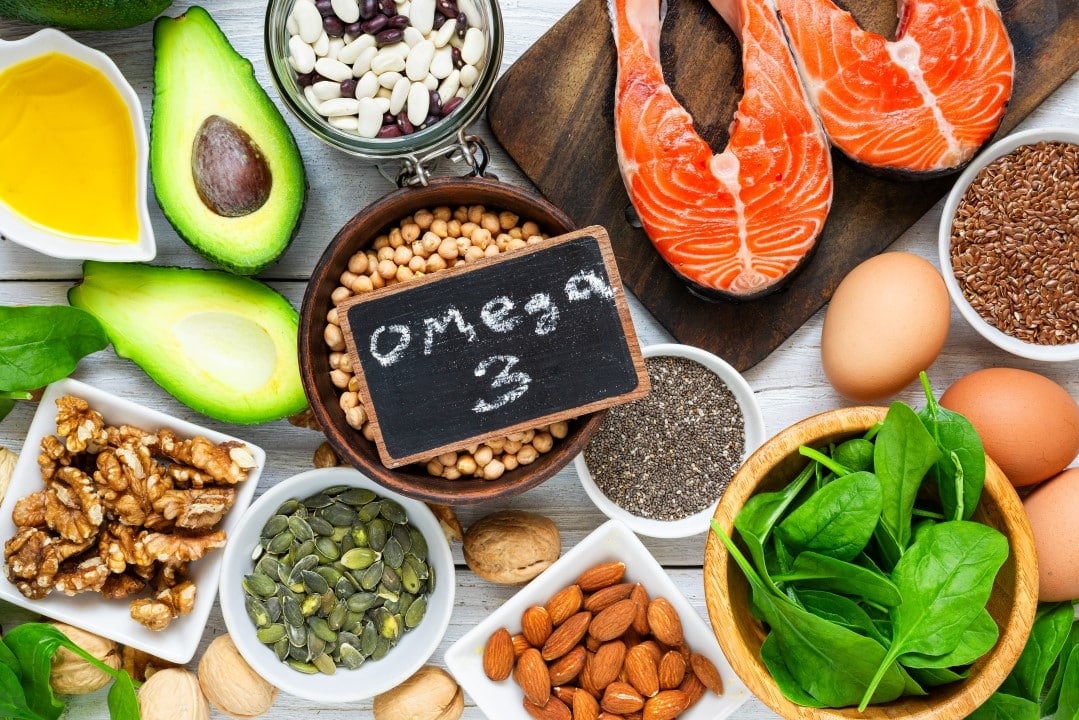
A comprehensive analysis of eating habits around the world has brought worrying data about the intake of nutrients essential for maintaining a healthy life. Dados recent studies indicate that a significant portion of the global population does not reach the recommended levels of fatty acids, specifically EPA and DHA, which are essential for the proper functioning of the body. The lack of these elements is directly linked to increased vulnerabilities in the cardiovascular system and requires immediate attention from health authorities and the general population.
Intake levels below international recommendations
The survey crossed information from dozens of countries and identified that around 75% of people do not consume the minimum daily amount stipulated at 250 milligrams. Essa nutritional goal could be easily achieved by regularly including fatty fish in the diet, such as salmon, sardines, tuna or mackerel, served at least twice a week.

However, cultural, geographic and, mainly, economic barriers prevent most individuals from maintaining this eating routine consistently. The absence of these nutrients in the daily meal does not generate visible immediate symptoms, but it creates a silent scenario that is conducive to the development of long-term complications. The ongoing deficit of EPA and DHA in the blood compromises natural protection against inflammation and affects heart health.
Specific needs during pregnancy and development
The demand for these nutrients becomes even more critical in specific biological phases, such as during pregnancy and breastfeeding. DHA plays a crucial architectural role in the formation of the fetal brain and retina, requiring a nutritional intake greater than that of an average adult to ensure the correct formation of nervous tissues.
Experts emphasize that women with these conditions should strictly monitor their diet or seek professional guidance for safe and effective supplementation. The lack of adequate nutritional planning during this period can compromise the child’s ideal neurological development. Portanto, conscious intake of omega 3 sources should be treated as a maternal and child public health priority.
Food alternatives and limitations of plant sources
For those who do not consume fish, whether due to personal preference, allergies or dietary restrictions such as veganism, there are plant-based sources that offer a precursor to omega 3, known as ALA. Contudo, it is important to note that the conversion of this component to the active forms (EPA and DHA) by human metabolism is biologically inefficient, often remaining below 10%.
- Flaxseed and chia seeds are affordable and versatile options for enriching yogurts, fruits and everyday salads.
- Microalgae oil emerges as the most efficient vegan alternative, providing DHA directly without the need for conversion.
- Nuts and vegetable oils, such as canola and soy, help maintain basal levels of healthy fats on a daily basis.
- Industrially fortified foods, such as milk and eggs, can serve as a strategic complement to achieve goals.
Role of supplementation in disease prevention
Given the logistical and financial difficulty of accessing fresh, quality seafood in different regions of the planet, the use of supplements based on fish or algae oil has become a viable strategy to fill this nutritional gap. Essa approach guarantees standardized intake of essential fatty acids, regardless of seasonality or price variations of fresh foods in local markets.
Maintaining adequate levels of these lipids in the body is one of the most effective preventive measures against the advancement of chronic non-communicable diseases. The medical and scientific community continues to emphasize that dietary re-education, combined with nutritional support when necessary, is the safest way to reverse global deficiency statistics and promote quality longevity.




