
Schumacher suggests Verstappen avoid public complaints about hybrid engine regulations

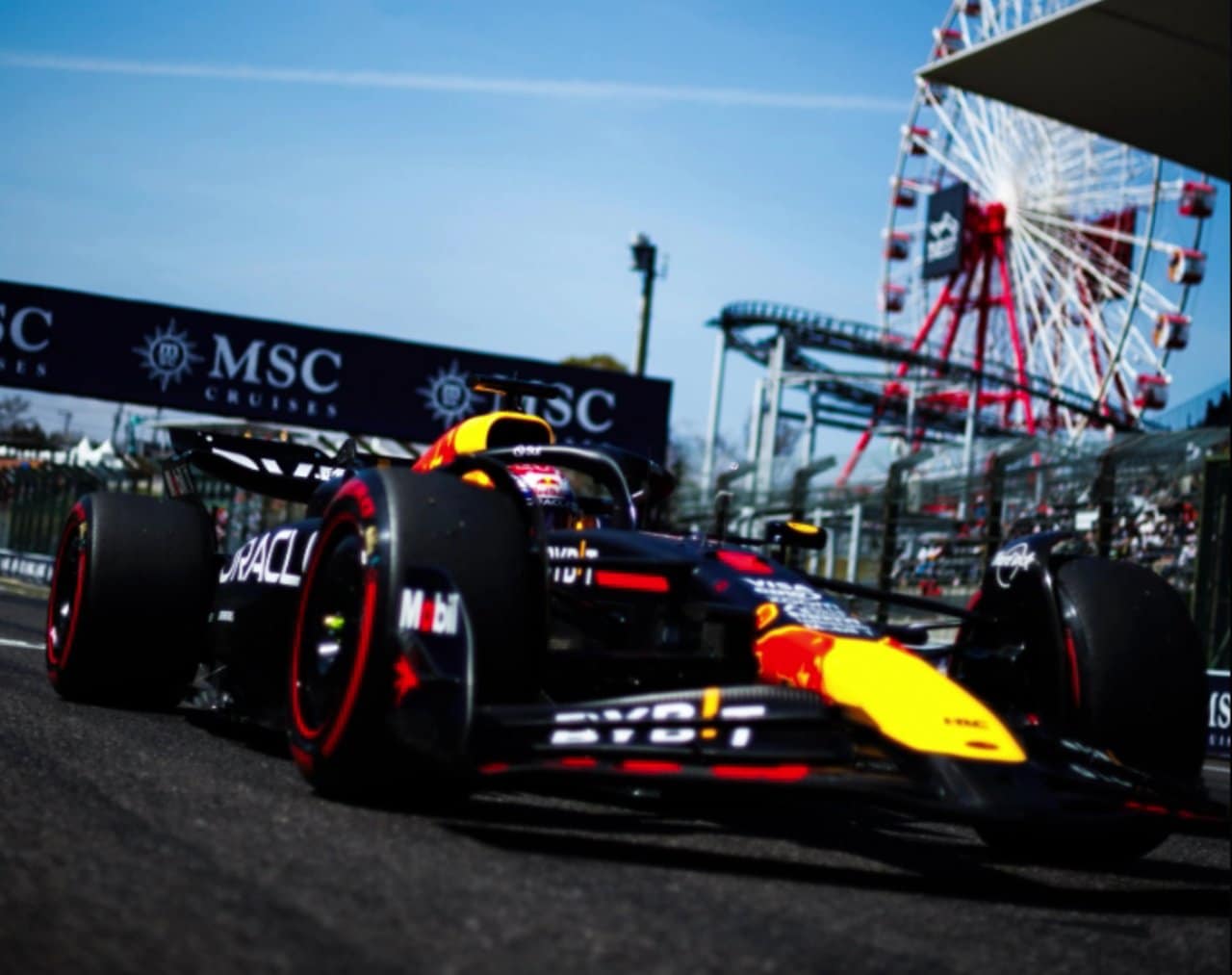
The political and technical scenario of the main category of world motorsport is experiencing moments of tension behind the scenes, especially with regard to future engineering guidelines. Ralph Schumacher, former driver and current sports commentator, issued direct and blunt advice to the current world champion, Max Verstappen, suggesting that the Dutchman moderate his recurring criticisms about the changes planned for the cars that will enter the track in a few years.
The Red Bull Racing driver’s vocal stance against increased electrification in power units has generated heated debates in the paddock. Schumacher argues that this public negativity can not only harm the driver’s image in the eyes of car manufacturers, but also comes across as unnecessary resistance to the inevitable progress that the sport needs to embrace to remain globally relevant.

The importance of industrial relevance for Fórmula 1
For Michael Schumacher’s brother, Verstappen’s vision ignores a fundamental pillar of the category’s modern existence: its attractiveness to large automobile manufacturers. The new regulation, which provides for a division of power of 50% coming from the combustion engine and 50% from the electrical system, was the decisive factor in attracting giants like Audi and guaranteeing the permanence of Honda, in addition to the partnership between Ford and the Verstappen team itself.
The former pilot of Williams and Toyota highlights that Fórmula 1 cannot afford to live in the past. If the category insisted on obsolete technologies just to satisfy the purism of more traditional drivers or fans, it would run the risk of losing the financial and technological support of brands that use the tracks as a laboratory for their street vehicles.
Among the crucial points defended by defenders of the new rules, the following stand out:
- Mandatory use of 100% sustainable fuels to reduce the carbon footprint.
- Significant increase in energy efficiency through advanced hybrid systems.
- Maintaining technological relevance for the consumer automotive market.
- Attracting new automakers looking for green innovation platforms.
Adaptation as a hallmark of great champions
Schumacher also drew a parallel between Verstappen’s attitude and that of other multi-champions who have passed through the sport. Segundo him, legends like Lewis Hamilton or Sebastian Vettel have always sought to adapt or use their platforms to drive positive change, rather than just criticizing the work tools provided by the organization.
The central criticism falls on the idea that a true champion must be able to win under any circumstances or regulations. By complaining in advance that the cars would be “Frankensteins” or difficult to drive, Verstappen may give the impression of insecurity regarding the ability of its technical team to interpret the new rules better than its rivals.
Risks to corporate image
In addition to the technical issues, there is the commercial and public relations aspect. By constantly positioning himself against the path chosen by the FIA and the manufacturers, the Dutch driver puts himself in a delicate position. Brands invest billions hoping for a positive association with sustainable technology, and having their main star discredit this effort can generate contractual and image friction.
Schumacher’s final advice revolves around professionalism. Ele reiterates that the pilot’s role is to make the most of the available equipment and trust that the engineers will solve drivability challenges. The era of 2026 will represent a new beginning for everyone, and history shows that those who embrace change tend to come out ahead of those who spend energy fighting it.





