
Sixth generation of the Toyota RAV4 SUV adopts radical aesthetics and excludes combustion-only versions


The Japanese automaker is advancing in renewing its portfolio with profound changes to the world’s best-selling sports utility vehicle. The design of the next lineage of the family vehicle brings a complete break with the previous visual identity, incorporating bolder and more futuristic features. The global strategy eliminates gasoline-only options, consolidating electrification as the only path for the model in the coming years.
Renewed visual identity with oceanic inspiration
The car’s frontal aesthetics follow the design language called “hammerhead”, which refers to the head of a hammerhead shark and already appears in other recent products from the manufacturer.
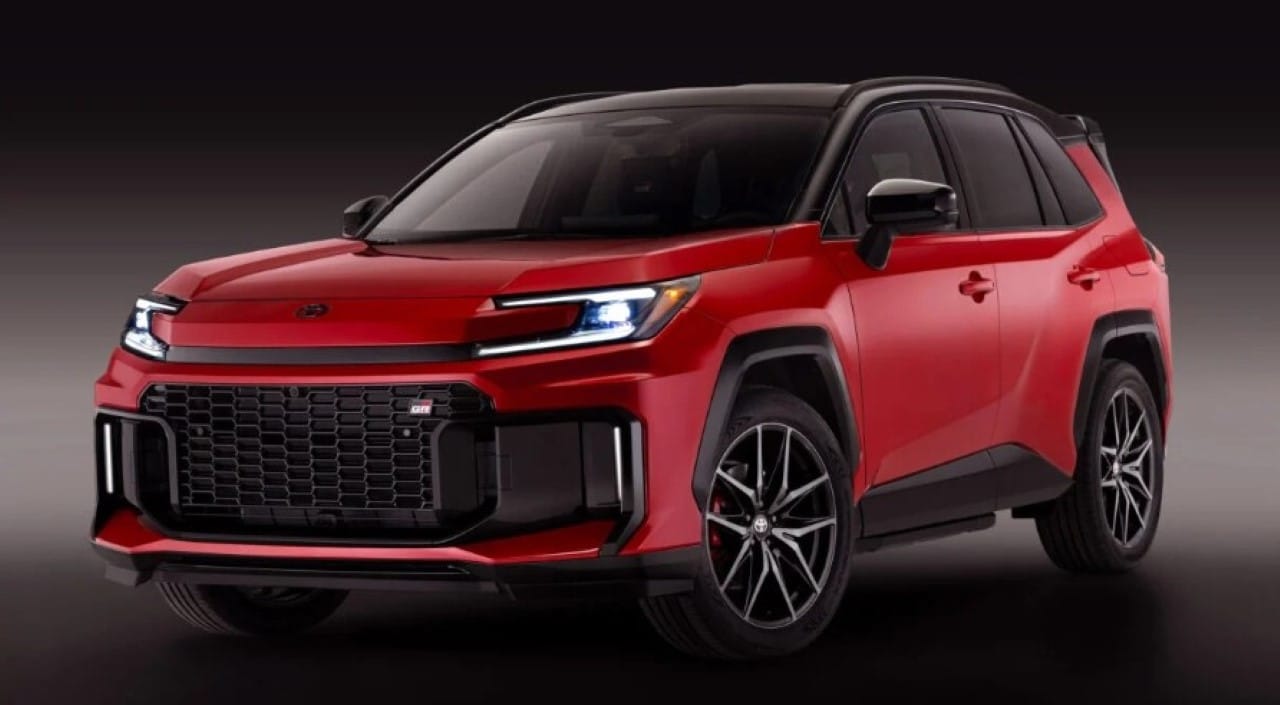
The “C”-shaped daytime running lights dominate the upper part, while the main projectors are positioned on the bumper, creating an unmistakable light signature that also favors aerodynamics.
The sides abandon the smooth curves of the current generation to adopt pronounced creases and sculpted surfaces, conveying a feeling of robustness and dynamism, while the rear receives lights connected by a light bar that visually expands the width of the car and reinforces its sophistication on the roads.
Mechanical evolution and improved global architecture
The development of the vehicle takes place on an updated version of the TNGA modular platform, which promises to increase torsional rigidity and lower the center of gravity to ensure more stable and safe driving in different driving conditions.
Under the hood, the engine will be made up exclusively of hybrid sets, combining a 2.5-liter Atkinson cycle engine with electric units to deliver power in excess of 226 horsepower and greater energy efficiency.
Digitized interior and superior finish
The cabin has undergone a total redesign to offer a premium experience, highlighting a new multimedia center with a screen of up to 14 inches that centralizes entertainment functions and wireless connectivity with smartphones. The instrument panel becomes fully digital and customizable, allowing the driver to view everything from navigation data to the hybrid system’s energy flow clearly and quickly.
Soft-touch materials and brushed metal details replace hard plastics in areas of frequent contact, elevating the perception of quality on board.
Security technologies and arrival prediction
The Toyota Safety Sense driving assistance package receives more sensitive sensors, capable of detecting pedestrians and cyclists with greater accuracy even at night, as well as adaptive cruise control that adjusts speed when cornering.
Large-scale production is scheduled to begin to initially serve markets such as Japão and Estados Unidos.
Rollout to other regions, including América from Sul, is expected to occur gradually throughout calendar 2026.



