
Stellantis evaluates the return of the V8 engine to the Grand Cherokee to recover sales and serve customers

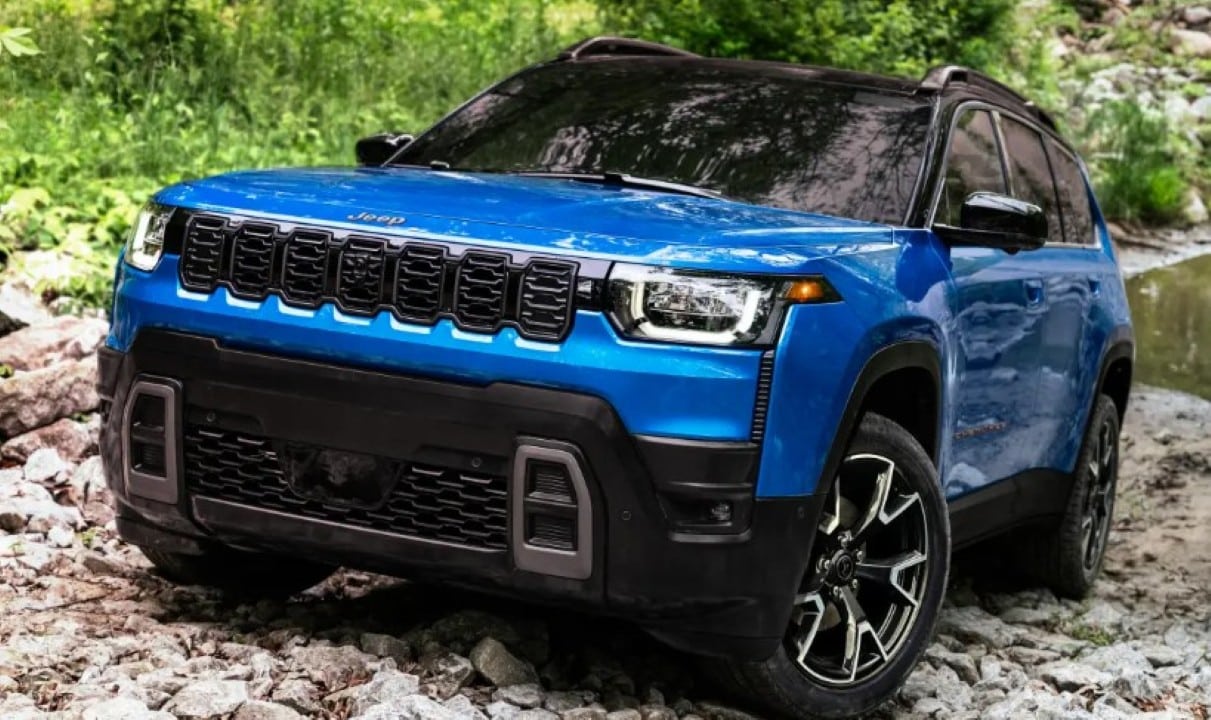
Jeep has begun a strategic review process that could culminate in the return of eight-cylinder engines to its line of luxury SUVs. The North American automaker, part of the Stellantis group, is facing increasing pressure from dealers and loyal consumers who are requesting the return of traditional engines. The internal discussion gains strength after market analyzes indicate that the absence of this mechanical option impacted the brand’s positioning compared to direct competitors.
The previous discontinuation movement was part of a global plan to reduce emissions and update technology, which prioritized smaller, supercharged engines. However, public response, especially in the large SUV segment, has demonstrated that the demand for abundant torque and the signature sound of larger vehicles remains high. The brand’s engineering team is now studying the technical feasibility of reintegrating the system into the current platform.

Company executives recognize that, although the new engine options are efficient, there is an emotional and performance gap perceived by traditional buyers. The possibility of reintroduction aims not only to recover this market share, but also to strengthen the image of robustness historically associated with the manufacturer’s top-of-the-line model.
Commercial impact of engine transition
The replacement of the old atmospheric engines with the new six-cylinder in-line engines, known as Hurricane, and the 4xe hybrid variants, generated mixed reactions in the market. Dados of recent sales indicate that a significant portion of customers chose to migrate to rival brands that maintained the eight-cylinder options in their catalogs. The Chevrolet and Ford, for example, continued to offer traditional configurations in their equivalent models, capturing consumers dissatisfied with the change from the Jeep.
The dealership network has reported that towing capacity and mechanical simplicity are decisive points for the buyer profile in this segment. Muitos owners use the vehicle to pull trailers and boats, situations where the low-rpm power delivery of larger engines is often preferred over more complex turbocharged systems.
Technical feasibility and industrial production
From an industrial point of view, the return is considered fully viable, since production of the Hemi engines has not been completely closed. Manufacturing remains active at the Stellantis facilities in México, where the engines are assembled to equip the Ram line pickup trucks. Essa logistical availability facilitates a possible decision to re-equip the SUV assembly line without the need for large investments in new tooling.
The WL platform, used in the current generation of the vehicle, was originally designed with the necessary architecture to accommodate larger blocks. Isso means that engineering adaptations would be minimal, focused mainly on suspension adjustments, transmission calibration and exhaust systems to meet current noise and emissions standards.
- The current chassis structure already has mounting points compatible with the larger engine, reducing development time.
- The cooling system would need few modifications, as the engine compartment is large.
- The supply chain for spare parts and maintenance is already established due to sharing with the pickup truck division.
- Preliminary test runs could be accelerated using test mules based on existing architecture.
Comparative performance and expectations
Although the Hurricane twin-turbo engines offer superior power and torque figures on paper, the driving experience differs substantially. The linear power delivery and immediate throttle response of large-displacement naturally aspirated engines deliver drivability that many enthusiasts consider irreplaceable. Além Furthermore, the thermal and mechanical complexity of smaller engines working under constant high load raises debates about long-term durability under severe use.
The reintroduction, if confirmed, would position the model once again as a unique alternative on the market, combining modern luxury with classic American mechanics. Analistas from the automotive industry suggest this could be a smart transition strategy, maintaining profitability and customer satisfaction as the infrastructure for full electrification continues to mature in different regions.



