
Toyota faces bottleneck in RAV4 production and suggests hybrid alternatives to avoid waiting


The Japanese automotive giant recently confirmed the existence of significant challenges in its global supply chain, directly impacting the manufacturing of one of its most strategic models. A shortage of essential components, specifically advanced electronic modules and high-density batteries, has created an unexpected obstacle to the assembly of the new SUV units, forcing the company to revise its immediate delivery schedules.
Faced with this scenario of productive uncertainty, the automaker adopted a proactive stance to avoid dissatisfaction among consumers waiting for the vehicle. The current guideline for the dealership network involves transparent communication about extended deadlines, seeking to manage the expectations of those who planned to purchase the model in the coming weeks.
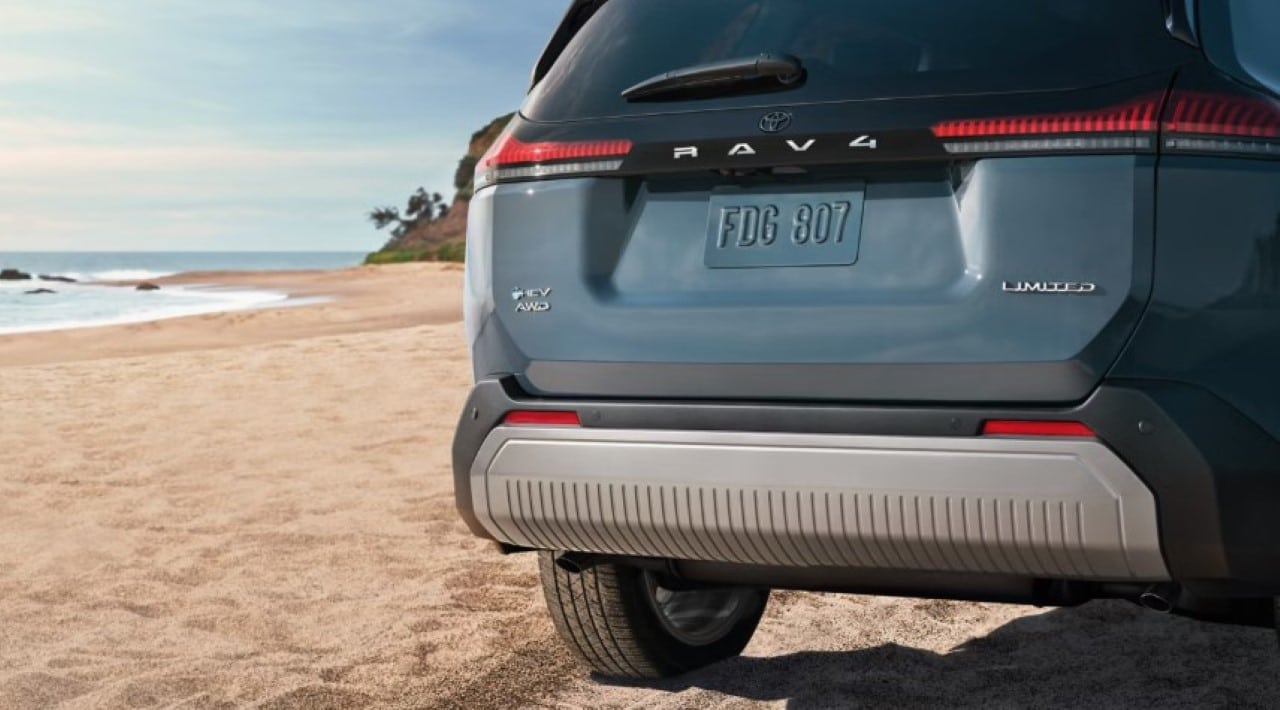
To mitigate the risk of losing customers to direct competitors, the company began a strategic move to redirect sales. The focus now is to present options within the brand’s own portfolio that do not suffer from the same delays, ensuring that the buyer remains in the manufacturer’s ecosystem even in the face of occasional logistical difficulties.
Business strategy for customer retention
The guidance given to dealers is clear: prioritize the offer of vehicles with immediate availability or reduced delivery times. The intention is to prevent consumers, frustrated with the long waiting list for a medium SUV, from switching to rival brands such as Honda or South Korean manufacturers competing for the same market segment.
Among the main alternatives suggested by the automaker are the Corolla Cross and the Camry sedan. Ambos the models share similar hybrid technologies and offer robust equipment packages, being positioned as viable solutions for those who urgently need a new car and cannot wait for the affected model’s assembly line to return to normal.
This substitution tactic aims to maintain dealerships’ cash flow and ensure customer loyalty. By offering a product available ready for delivery, the brand tries to transform a potential negative waiting experience into an agile negotiation, highlighting the qualities and energy efficiency of the options suggested as advantageous equivalents.
Logistical bottlenecks and impact on the industry
The root of the problem lies in the complexity of the supply chain for electrified vehicles. With the global demand for hybrid cars increasing, battery and semiconductor suppliers are operating at the limit of their capacity, making any disruption or delay in the supply of raw materials a ripple event across final assembly lines.
The model in question depends on very particular technical specifications for its propulsion system, which makes it difficult to quickly replace suppliers. The automaker works intensely behind the scenes to approve new partners and expand the production capacity of critical components, but admits that full stock normalization could take a few months.
Perspectives for the market and competition
Automotive sector analysts are watching this movement closely, noting that the company’s transparency could work in its favor in the long term. Admitir the bottleneck and offering tangible solutions is seen as a measure of respect for the consumer, contrasting with market practices where unrealistic deadlines are promised just to close the initial order.
While the situation is not regularized, the competition for the attention of hybrid buyers is intensifying. The brand’s ability to convince its audience to opt for a crossover or a sedan instead of the desired SUV will be the definitive test of the strength of its branding and the trust that consumers place in the Japanese manufacturer’s technology.



