
Toyota postpones debut of best-selling SUV due to parts shortage and suggests swapping for other hybrids

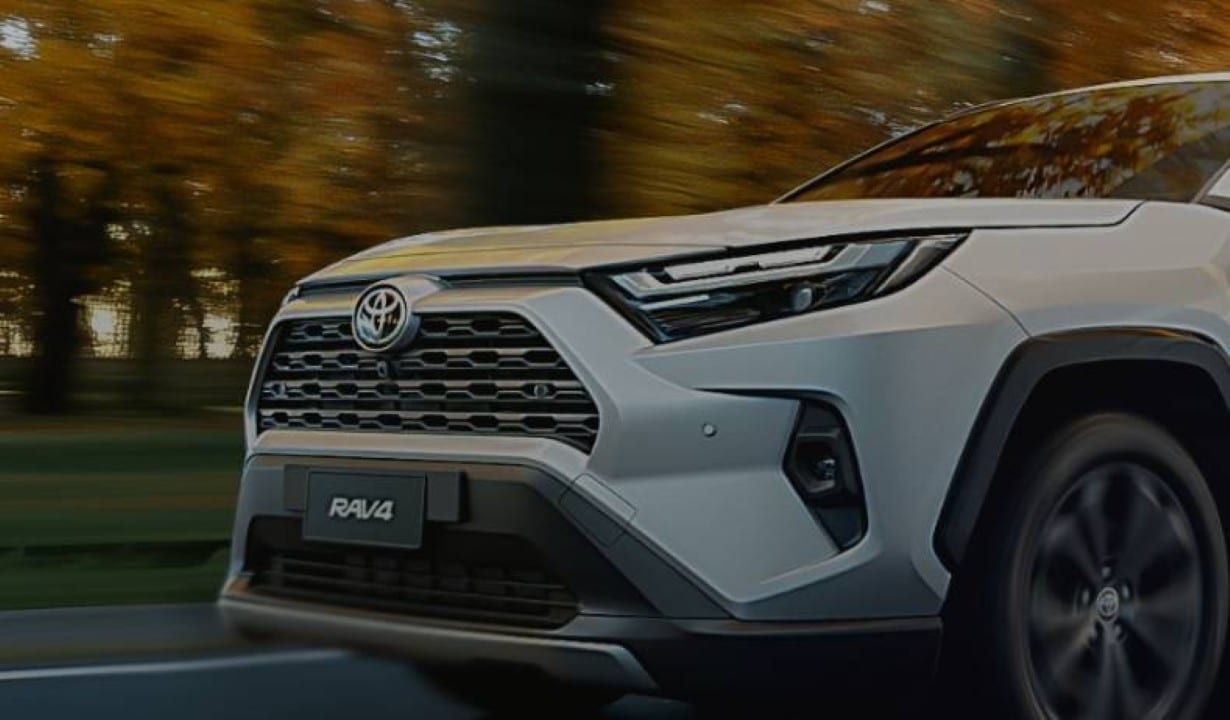
The global automotive industry faces a new logistical challenge that directly impacts the launch schedule of major automakers. Toyota, the world’s largest vehicle manufacturer, signaled significant difficulties in meeting the expected arrival dates of the new generation of its best-selling sports utility vehicle. The high complexity in the production of electrified components generated bottlenecks in the supply chain, forcing the company to review commercial strategies to avoid losing market share.
Bottlenecks in the production of high voltage components
The heart of the problem lies in the automaker’s strategic decision to transform the next model line into a 100% hybrid fleet. Essa change, although aligned with sustainability and energy efficiency trends, has placed a burden on suppliers of batteries and high-voltage electrical systems. The current manufacturing capacity of these essential items has not kept up with the projected pace of sales, creating a mismatch between industrial supply and consumer demand.
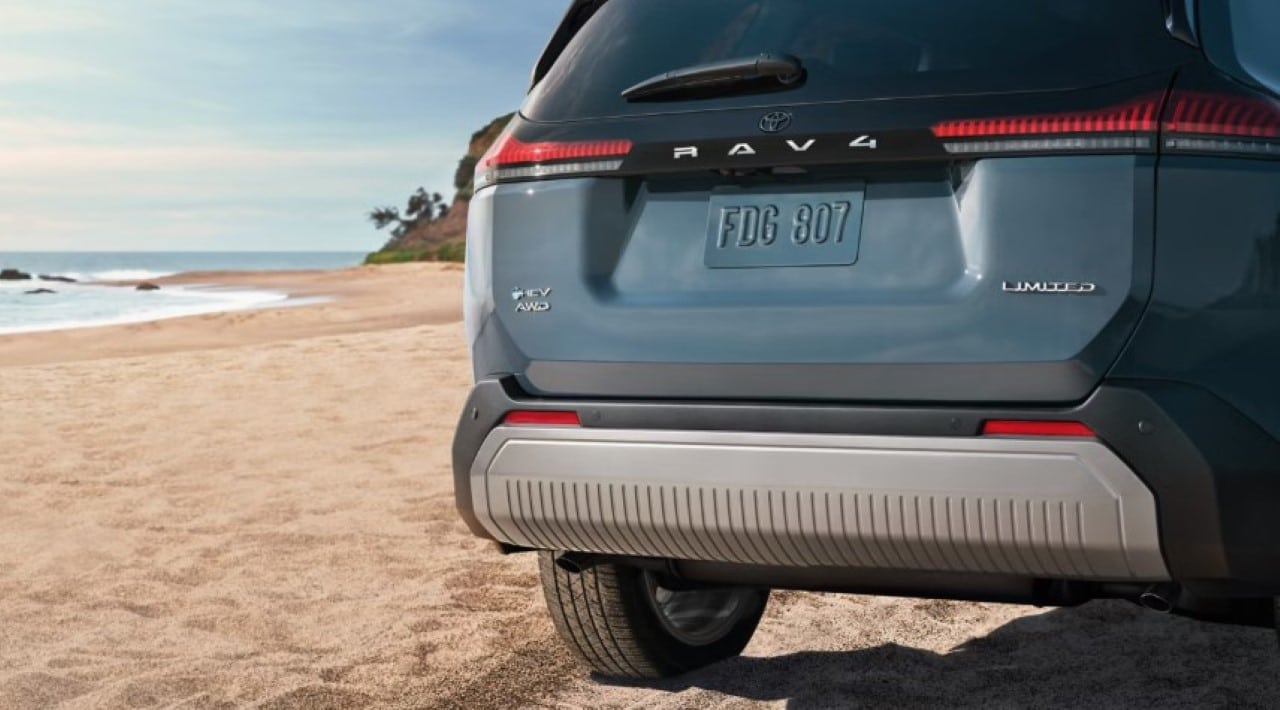
Internal reports indicate that the stabilization of stocks and the normal flow of delivery of new units should only occur fully in the second half of 2026. The lack of a concrete forecast for normalization forced management to adopt immediate palliative measures to maintain customer loyalty.
Replacement strategy to avoid migration
To mitigate the damage caused by prolonged waiting, the dealership network received guidelines to redirect buyers’ interest to other vehicles available in the portfolio. The objective is to prevent consumers, frustrated by the lack of the desired SUV, from switching to direct competitors that have similar products ready for delivery, such as the options offered by Honda and South Korean brands.
The main alternative suggested is the Corolla Cross, which shares several technologies and the hybrid platform with the late model, serving as a viable solution for those looking for a branded sports utility vehicle without facing indefinite queues. Além, the Camry sedan appears as an option for customers focused on comfort and energy efficiency, trying to cover different buyer profiles within the same manufacturer’s ecosystem.
Technical expectations and fierce competition
Despite the logistical setbacks, the technical specifications of the new generation continue to generate high expectations in the market. The mechanical package must integrate a 2.5-liter engine with an updated electrical system, promising a combined power of more than 215 horsepower. The fuel efficiency, designed to surpass the 18 km/l mark in a mixed cycle, positions the vehicle as a future reference in economy, justifying, for many, the necessary patience.
The current scenario reflects the intense pressure on traditional automakers in the transition to electrification. Enquanto the demand for hybrid vehicles is growing rapidly, even surpassing the demand for pure electric vehicles in some markets, the parts supply infrastructure is struggling to adapt. Toyota’s ability to manage this supply crisis and convince its customers to accept alternative models will be decisive in maintaining its leadership in the medium SUV segment in the coming years.



