
Toyota recommends RAV4 alternatives after supply chain issues affect delivery times

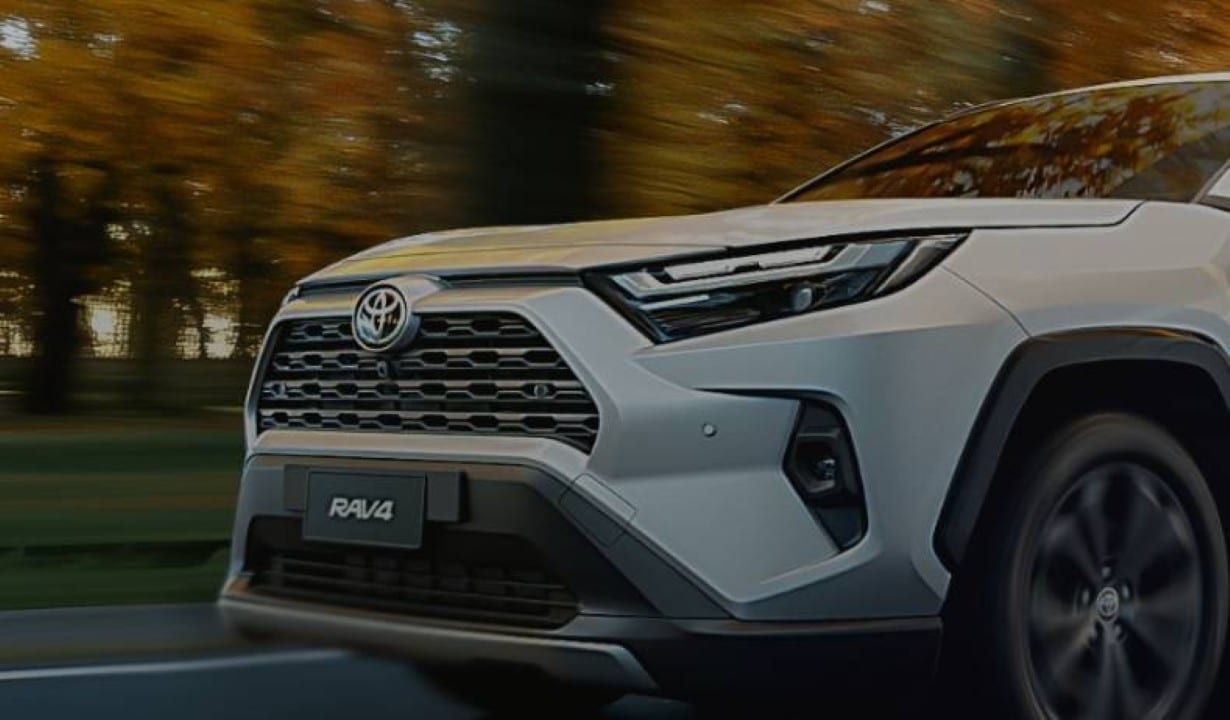
The Japanese automotive giant faces new logistical challenges that directly impact the availability of one of its best-selling sports utility vehicles globally. Devido Due to the persistent shortage of essential components for electrified motorization and high technology, the automaker has directed its dealer network to offer replacement vehicles with immediate availability, aiming to maintain consumer loyalty and avoid long waiting periods that could result in order cancellations.
This commercial strategy appears as a pragmatic response to bottlenecks in the production line that affect the renewal of the fleet scheduled for the next cycle. The company seeks to ensure that customers seeking energy efficiency and mechanical reliability remain within the brand’s ecosystem, even if this means temporarily migrating to other segments or models with similar characteristics.
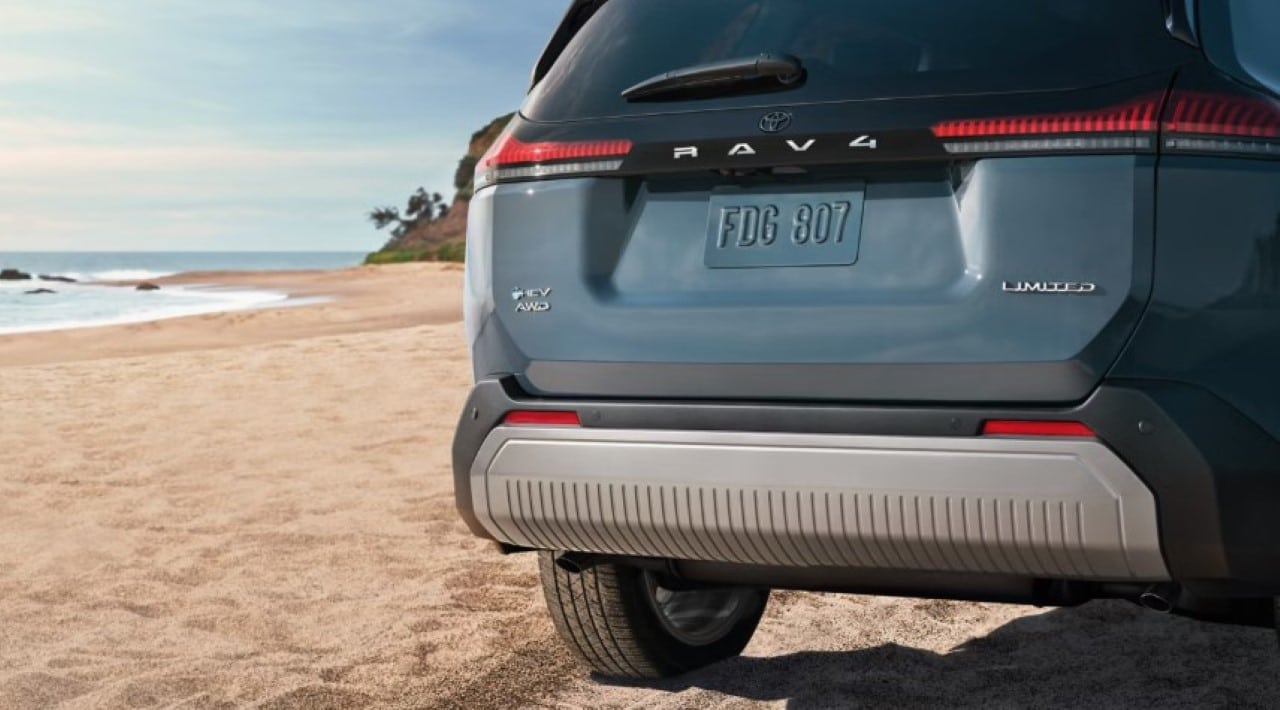
Impacts on the production and logistics chain
The complexity in manufacturing modern vehicles requires perfect synchronization in the supply of semiconductors and high-density batteries, items that continue to have unstable flows on the international market. Relatórios from the industry indicate that the instability in the supply of these technological materials forces constant adjustments in assembly schedules, creating a mismatch between the high demand for the SUV and the factories’ real delivery capacity.
For brand managers, transparency about extended deadlines is essential to maintain market trust. Prioritization now falls on models that have more stabilized supply chains, allowing a continuous sales flow while the logistical issues of the main model are resolved behind the industrial scenes.
Suggested options for consumers
Faced with the need to promptly serve buyers, the manufacturer highlighted robust alternatives that share the acclaimed hybrid platform and offer more agile delivery. The guideline is to present the competitive advantages of other vehicles in the portfolio that do not suffer from the same parts restrictions:
– The Corolla Cross appears as the main alternative in the utility segment, offering urban dimensions, high ground clearance and the same fuel efficiency sought in the missing model.
– The Camry sedan is positioned as an option with greater refinement and comfort, ideal for customers who prioritize internal space, superior onboard technology and road performance.
– The immediate availability of these vehicles allows the buyer to avoid the uncertainty of fluctuating dates and guarantee the purchase of a new car without delays.
Competitive scenario and market movement
The decision to suggest model changes reflects the concern about not giving up market share to direct competitors, such as Honda and other Asian brands competing for the same customer profile. Manter the buyer interested and satisfied with a quick solution is vital in an industry where brand loyalty is constantly tested by the competition’s aggressive offering.
Market analysts note that this flexibility in the portfolio demonstrates the automaker’s resilience in the face of global manufacturing adversities. The complete normalization of inventories and the regularization of deliveries of the SUV are expected in the coming semesters, but until then, the diversification of sales guarantees the sustainability of commercial operations.




