
Asteroid monitored by space agencies has a chance of colliding with the Moon in December 2032

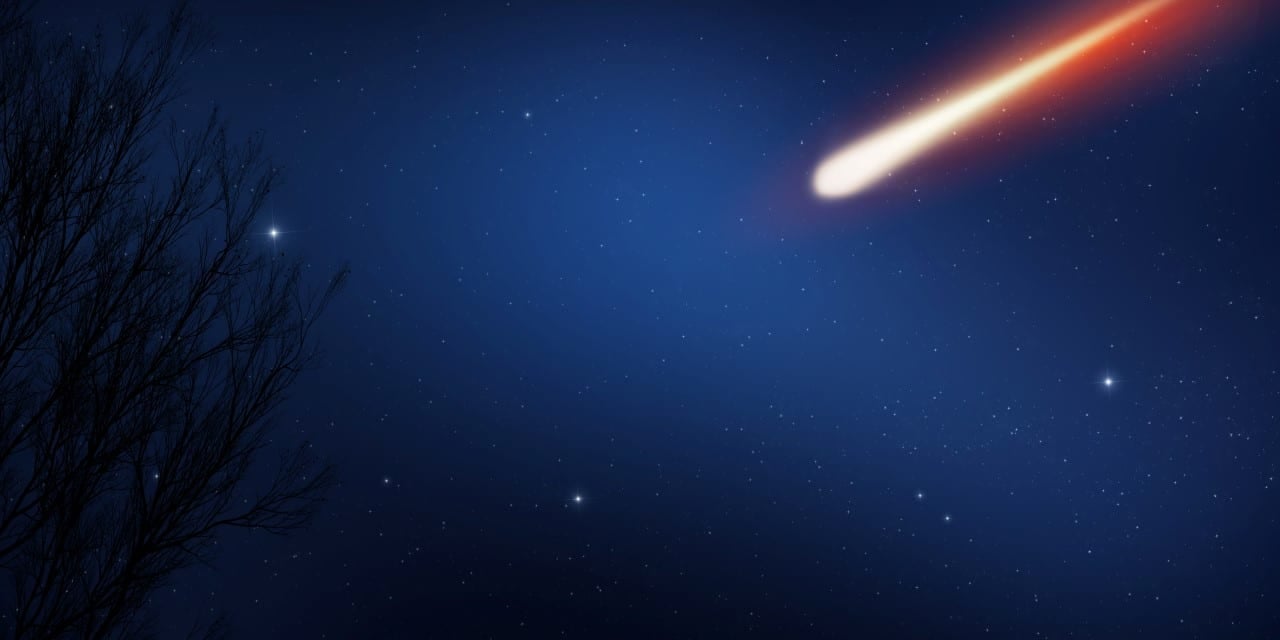
Global space agencies maintain continuous tracking of the celestial object identified as 2024 YR4, whose orbital trajectory presents particularities that attract the attention of the international scientific community. Embora the most recent analyzes have completely eliminated the possibility of a collision with our planet in the next century, mathematical calculations indicate an alternative scenario involving the natural satellite of Terra. The celestial body, with dimensions estimated between 50 and 70 meters, follows a course that could intercept the lunar orbit in the next decade.
Orbital Data Refinement and Earth Safety
The asteroid was initially detected by the ATLAS system, at Chile, in December 2024, generating initial concerns about a possible risk to Terra. However, subsequent observations carried out with the aid of Telescópio Espacial James Webb allowed a much more accurate calculation of its orbit. The data consolidated in 2025 was fundamental in ruling out the terrestrial danger, redirecting astronomers’ focus to the object’s interaction with Lua, where the probability of impact is currently calculated at around 4%.
Impact potential and energy released
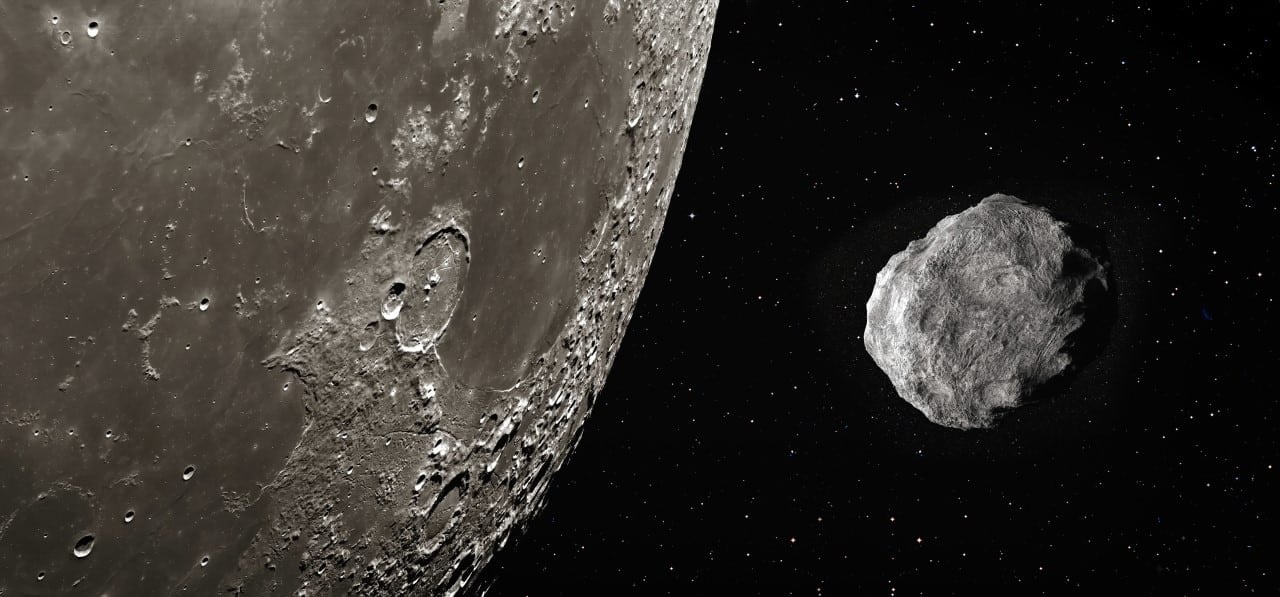
If the collision occurs, the expected date is December 22, 2032. The estimated speed of the impact would be approximately 14 kilometers per second, releasing kinetic energy comparable to the detonation of 650 thousand tons of TNT. Especialistas indicate that an event of this magnitude would be capable of excavating a new crater on the lunar surface approximately one kilometer in diameter, permanently altering the local topography in the affected region.
Visual phenomena and astronomical observation
An impact of this nature would generate an intense flash, technically visible from Terra, even with the naked eye or with amateur instruments, depending on the atmospheric conditions. The resulting glow could reach a magnitude between -2.5 and -3, remaining visible for up to ten seconds. Para the scientific community, the event represents a unique opportunity to observe the formation of craters in real time and analyze the composition of the lunar subsoil through ejected debris, which could later create artificial meteor showers as they enter the Earth’s atmosphere.




