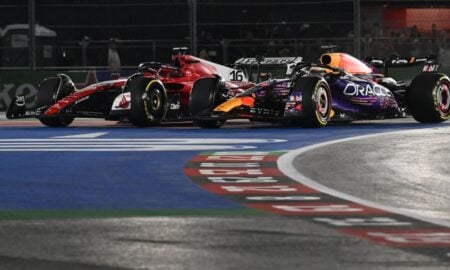
Bortoleto opposes Alonso’s vision of 2026 cars and bets on a technical challenge in Formula 1


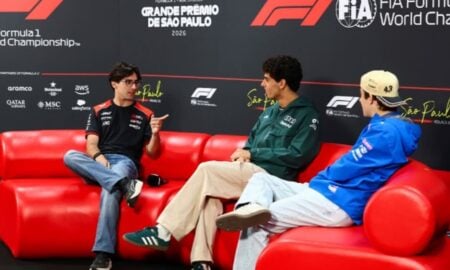
The Fórmula 1 scenario is going through a phase of intense technical and sporting discussion as the 2026 season approaches, which will mark the introduction of a new chassis and power unit regulations. Durante the pre-season tests carried out on the Sakhir circuit, in the Bahrein, the divergent opinions between generations of drivers became evident. Gabriel Bortoleto, representative of the new crop of talent and holder of Audi, took a firm stance in defense of the category’s new guidelines, offering a direct counterpoint to recent criticism.
The controversy revolves around the driving characteristics of the new single-seaters, which will feature active aerodynamics and a much greater dependence on electrical energy. Fernando Alonso, two-time world champion and grid veteran, expressed skepticism about the cars’ cornering performance and the complexity of energy management, suggesting a step backwards in terms of pure speed. However, for the Brazilian driver, these changes do not necessarily represent a problem, but rather a natural evolution of motorsport.
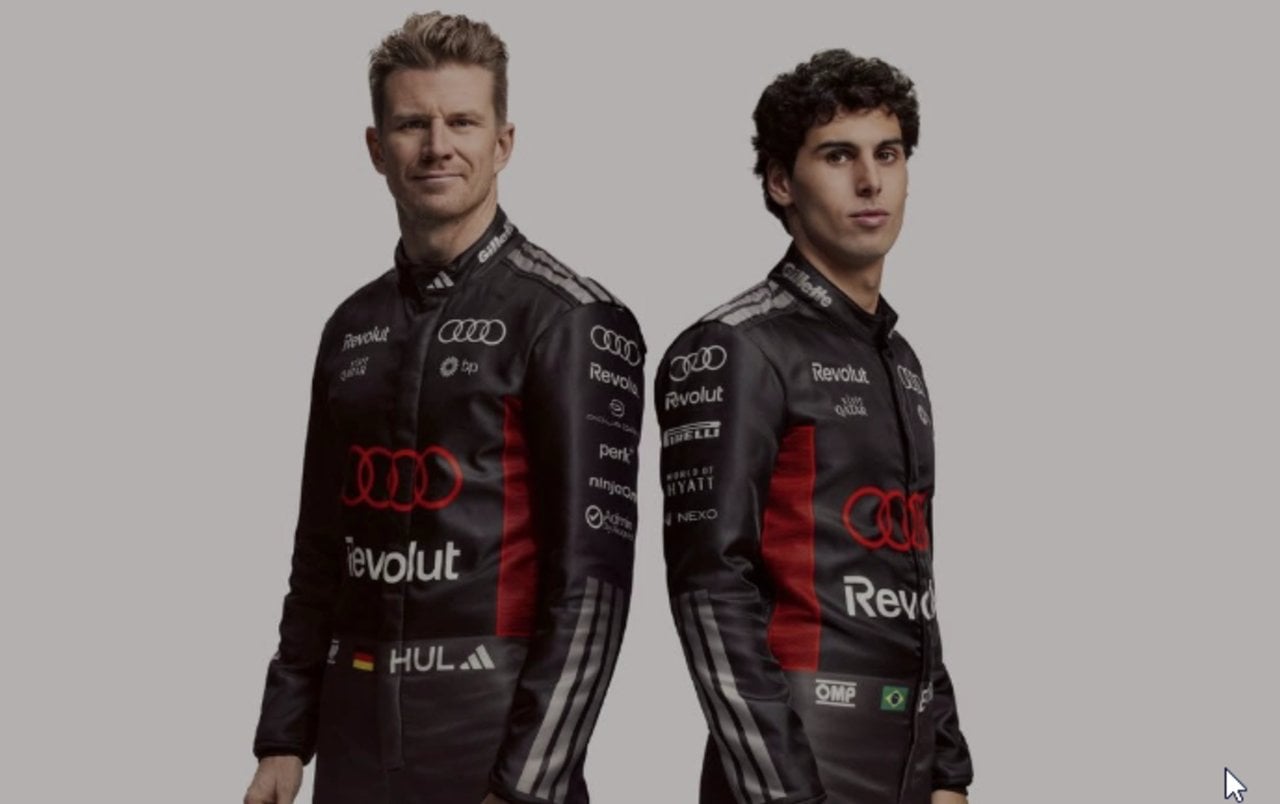
In statements made last Wednesday, Bortoleto emphasized that the perception of difficulty or slowness is relative and depends on the approach of each team and driver. Segundo he, technological development in Fórmula 1 is constant and accelerated, which means that the initial limitations observed in simulations and in the first models tend to be quickly overcome by engineers.
The Brazilian’s stance reflects the optimism of Audi, which enters the category precisely in this cycle of changes, seeing the new regulations as an opportunity to equalize forces. Enquanto pilots accustomed to the extreme aerodynamic load of recent decades feel the difference, newcomers see battery management and mobile aerodynamics as strategic tools that will add a new layer of complexity to racing, requiring not just speed, but tactical intelligence.
Energy management and new riding dynamics
One of the central points of the debate is how energy will be used throughout a lap. The 2026 regulation stipulates a power split of almost 50% between the internal combustion engine and the electrical system, eliminating the MGU-H and increasing dependence on kinetic energy recovery. Críticos point out that this could force drivers to reduce their pace on straights to recharge their batteries, creating artificial overtaking or defense situations.
Bortoleto, however, rejects the idea that this will make racing dull or excessively slow. Para him, energy management has always been an integral part of modern motorsport, and the new rules only change the way this management is done. The driver argues that the ability to decide where and how to apply extra power will be a competitive differentiator, separating drivers who can think strategically from those who rely solely on raw instinct.
Active aerodynamics technology, which will allow cars to adjust their front and rear wings on the fly to reduce drag on straights and increase grip in corners, is seen by Bortoleto as a fascinating advancement. Ele highlights that, although the system is complex, it offers drivers additional tools to attack and defend, making disputes for position more dynamic and less dependent solely on the traditional DRS zone.
Furthermore, the evolution of simulators and data analysis tools allows teams to anticipate race scenarios accurately. The Brazilian highlights that, as the teams better understand the nuances of the new regulations, energy use strategies will become more refined, eliminating the initial feeling that the cars would need to “drag” on certain sections of the track to guarantee reaching the end of the race.
The clash of generations and the perspective of Alonso
The divergence of opinions between Gabriel Bortoleto and Fernando Alonso illustrates the clash of perspectives between two distinct eras of Fórmula 1. Para the Spanish, any regulation that reduces cornering speed or forces the driver to excessively manage the equipment is seen as a step back in the essence of the sport.
The Aston Martin veteran argued that the new cars, because they are heavier and dependent on active systems, lose part of the identity that makes the Fórmula 1 the pinnacle of automotive performance. Sua criticism is based on the driving sensation, which he describes as less visceral compared to previous models, which allowed a constant attack on the track without so many worries about battery consumption per lap.
On the other hand, Bortoleto represents the generation that grew up on simulators and in the already hybrid base categories. Para him and other young pilots, technical complexity is not an obstacle, but part of the challenge. Ele understands that sustainability and technological relevance for the automotive industry are priorities that shape the regulation, and that the pilot’s role is to extract the most from this package, regardless of nostalgic comparisons with the past.
Technical evolution and the future of competition
The confidence demonstrated by Bortoleto is also based on Fórmula 1’s historical ability to exceed initial expectations. Ele recalls that, in several previous regulation changes, catastrophic predictions regarding lap times and racing quality did not materialize in the long term. Team engineering always finds ways to recover lost aerodynamic load and optimize engine efficiency.
Audi, in particular, has invested heavily in the development of its power unit for 2026. The German carmaker sees the new regulations as a chance to compete on equal terms with established manufacturers, as all teams will start from a new ground zero. Bortoleto believes that, within two or three years of implementing the rules, the cars will be significantly faster than the initial launch models.
The Brazilian driver reinforces that the focus must be on the competitiveness of the grid. If the new rules allow more teams to fight for victories and podiums, the perception of the absolute speed of the cars will take a backseat. The spectacle, according to his vision, is guaranteed by the close competition between the drivers and the unpredictability of the races, factors that the 2026 regulations seek to encourage by reducing turbulence and balancing performance.
Schedule confirmed for the 2026 season
In addition to the technical discussions, the structure of the 2026 season has already been defined, promising a long and challenging year for drivers and teams. The calendar maintains the trend of regionalizing stages to optimize logistics and reduce the carbon footprint, but continues to require a monumental global effort. The season will start at Austrália and end at Abu Dhabi, covering classic and modern circuits.
- March 6th to 8th: GP of Austrália, Albert Park (Melbourne)
- March 13th to 15th: GP of China (with Sprint), Circuito Internacional of Xangai
- March 27th to 29th: GP of Japão, Suzuka International Racing Course
- April 10th to 12th: GP of Bahrein, Circuito Internacional of Bahrein
- April 17th to 19th: GP of Arábia Saudita, Circuito Corniche of Jeddah
- May 1st to 3rd: GP of Miami (with Sprint), Autódromo Internacional of Miami
- May 22nd to 24th: GP of Canadá (with Sprint), Circuito Gilles Villeneuve
- June 5th to 7th: GP of Mônaco, Circuito of Mônaco
- June 12th to 14th: GP of Barcelona-Catalunya, Circuito of Barcelona-Catalonia
- June 26th to 28th: GP of Áustria, Red Bull Ring (Spielberg)
- July 3rd to 5th: Grã-Brittany GP (with Sprint), Silverstone
- July 17th to 19th: GP of Bélgica, Spa-Francorchamps
- July 24th to 26th: GP of Hungria, Hungaroring (Budapest)
- August 21st to 23rd: GP of Holanda (with Sprint), Circuito of Zandvoort
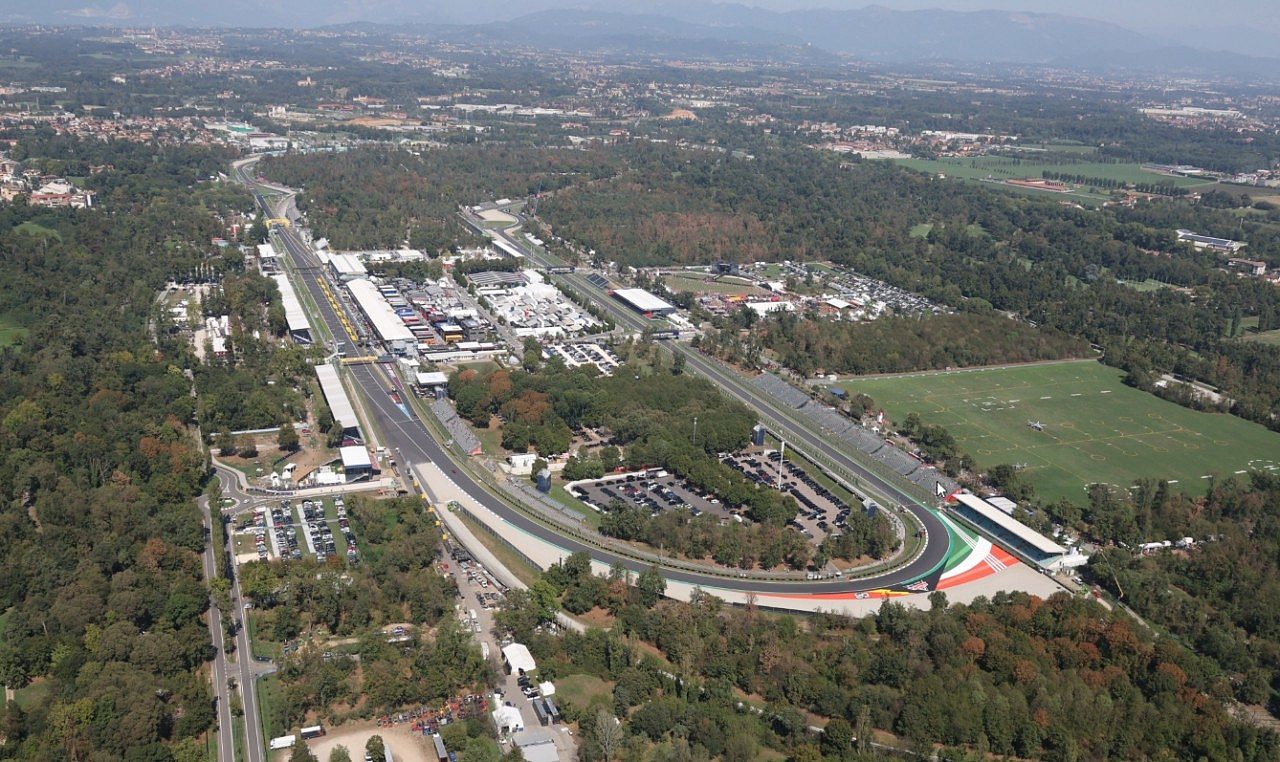
- September 4th to 6th: GP of Itália, Autódromo Nacional of Monza
- September 11th to 13th: GP of Espanha, Circuito of Madrid (IFEMA)
- September 24th to 26th: GP of Azerbaijão, Circuito of Cidade of Baku
- October 9th to 11th: GP of Singapura (with Sprint), Marina Bay Street Circuit
- October 23 to 25: GP of Estados Unidos, Circuito of Américas (Austin)
- October 30th to November 1st: GP of Cidade of México, Autódromo Hermanos Rodríguez
- November 6th to 8th: GP of São Paulo, Autódromo of Interlagos
- November 19th to 21st: GP of Las Vegas, Las Vegas Strip Circuit
- November 27th to 29th: GP of Catar, Circuito Internacional of Lusail
- December 4th to 6th: GP of Abu Dhabi, Yas Marina Circuit