Change in pneumonia vaccine for elderly people in Japan brings expanded protection and new cost to patients


Health authorities in the city of Oita, following a national guideline that impacts the entire Japanese healthcare system, announced a complete overhaul of the pneumococcal disease immunization program for the elderly population. From the beginning of the next fiscal year, which begins on April 1st, the vaccination protocol will undergo a significant technological update, replacing the vaccine currently used with a more modern version with greater capacity to generate a long-term immune response. The measure aims to more effectively combat the strains of bacteria that cause the most hospitalizations and deaths among the population over 65 years of age.
The new protocol establishes the introduction of the 20-valent conjugate vaccine, known commercially as Prevnar 20, replacing the 23-valent polysaccharide vaccine, Pneumovax, which had been the standard choice in public health campaigns. The change is not just technical, but reflects a change in the prevention strategy, prioritizing the quality of the immunological response and cellular memory to the detriment of just the quantity of serotypes covered. With the implementation of this new phase, the local government also adjusted the cost structure for beneficiaries, establishing a financial co-participation for access to the medicine.
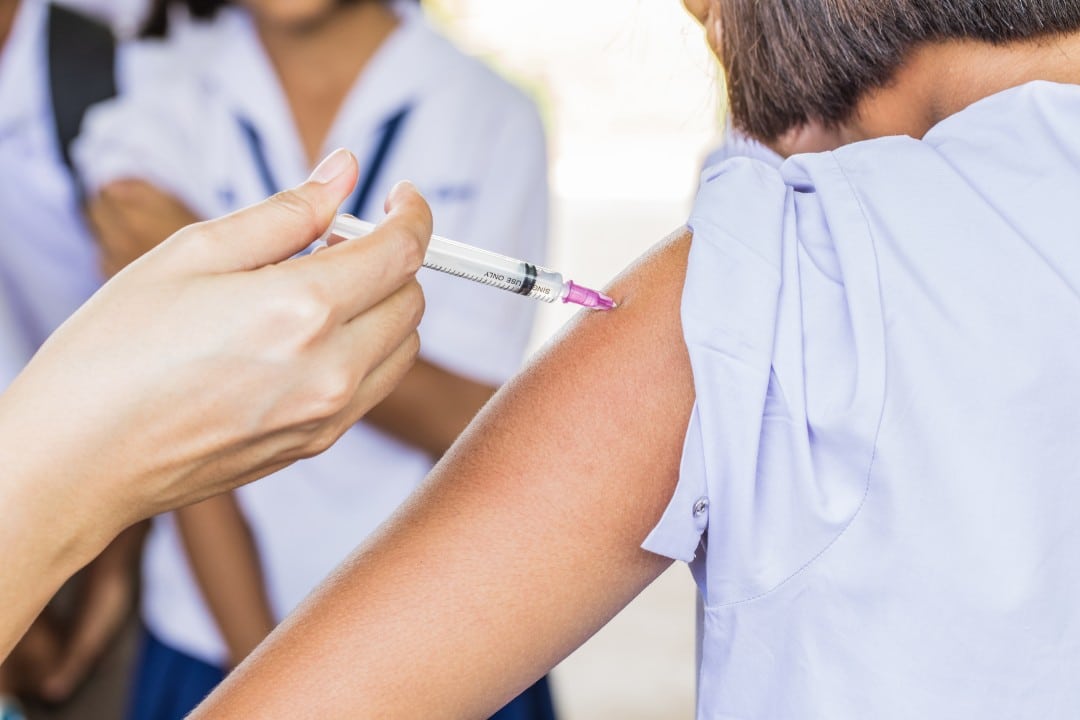
The transition comes at a crucial time for public health in the Japão, where the accelerated aging of the population requires more robust preventive measures against infectious respiratory diseases. Pneumonia remains one of the main causes of mortality among elderly Japanese people, and updating the vaccination schedule is seen as an essential tool to reduce pressure on hospitals and ensure a better quality of life. The municipal administration warns that residents who wish to take advantage of the current rules have a limited period of time to do so before the new system takes effect.
To ensure that the population is aware of the changes, the city council started an information campaign detailing the deadlines and new values. The decision to migrate to the conjugate vaccine aligns the Japão with international immunization trends, where protein conjugation technology has demonstrated superiority in protecting the elderly and immunosuppressed individuals. The measure is definitive and changes the flow of care in accredited clinics and hospitals in the region.
Updated costs and co-participation structure
One of the most noticeable changes for citizens will be the adjustment in the amount to be paid at the time of vaccination. Sob the new rules effective from April, the individual contribution was set at 3,500 yen. Este value represents a co-participation fee, since the total cost of the vaccine Prevnar 20 is significantly higher than the amount charged to the patient, with the difference being subsidized by municipal public coffers. The subsidy is a strategy to keep the vaccine accessible, even with the introduction of a pharmaceutical product with greater added value and superior technology.
Local authorities clarify that the payment of 3,500 yen is a single fee, corresponding to the single dose that makes up the complete vaccination schedule for this vaccine. Não booster doses are expected in the short term under this new protocol, which simplifies the schedule for the elderly. Public investment aims to reduce much larger future spending on treating severe cases of pneumonia, prolonged hospitalizations and intensive care that often result from unprevented pneumococcal infections.
For residents who currently have vaccination vouchers or who turn 65 before the tax rule changes, there is a window of opportunity. Aqueles who wish to avoid the new cost or who prefer the current scheme should contact medical institutions by March 31, 2026.
Technical differences and immunological efficacy
Replacing the 23-valent vaccine with the 20-valent vaccine may appear, at first glance, to be a reduction in coverage, but immunology experts explain that the change represents a qualitative advance. The previous vaccine used a polysaccharide technology that, although it covered 23 types of bacteria, generated a short-lived immune response and did not adequately stimulate immunological memory in elderly patients. Já the new conjugate vaccine connects the bacteria’s polysaccharides to a carrier protein, which trains the immune system in a much more efficient and lasting way.
Clinical studies that supported the decision to Ministério of Saúde, Trabalho and Bem-Estar of The conjugate technology is particularly effective in preventing the bacteria from colonizing the nasopharynx, which not only protects the vaccinated individual, but also helps to reduce the circulation of the bacteria in the community, creating an indirect protective barrier.
The decision to focus on these 20 specific serotypes is based on recent epidemiological data collected in Japão and other developed countries. Analyzes show that the strains included in the new vaccine are those that currently present the highest lethality and resistance to antibiotics. Portanto, the update of the immunizer is a direct response to the evolution of circulating bacteria, ensuring that the protection offered by the government is aligned with the real biological threats faced by the elderly population.
Eligibility criteria and priority groups
The vaccination program maintains its main focus on the 65-year-old age group, considered the inflection point where the immune system begins to show a natural decline, known as immunosenescence. Eligibility to receive the city subsidy applies to residents who turn 65 during the tax year. The once-in-a-lifetime rule remains: the subsidy is only valid for those who have never previously received a pneumococcal pneumonia vaccine, encouraging primary immunization.
In addition to 65-year-olds, the program covers a specific group of people between 60 and 64 who have high-risk medical conditions. Este group includes patients with chronic cardiac, renal or respiratory dysfunctions, as well as individuals with compromised human immune systems (such as those with HIV). Para these citizens, the vulnerability to serious bacterial infections is comparable to that of older elderly people, justifying early inclusion in the protection calendar.
Notification and scheduling will follow a strict administrative process. The City of Oita will send the necessary documentation, including pre-screening forms, directly to the homes of those eligible. Esse active search process aims to ensure that no one misses the vaccination deadline due to lack of information. The eligibility period is strict, running from the day before the 65th birthday to the day before the 66th birthday, requiring attention from beneficiaries so as not to lose the right to the subsidy.
Post-vaccination procedures and care
To access the vaccine at a reduced cost, residents must make an appointment in advance at one of the medical institutions designated by the city. The list of authorized clinics and hospitals is regularly updated and made available on official city hall channels and in printed materials distributed to the community. It is mandatory to bring the documents sent by the municipality on the day of application to prove eligibility and ensure the correct charge of the co-participation fee.
Health professionals warn of the need for monitoring after applying the vaccine. Como any potent vaccine, Prevnar 20 may cause temporary adverse reactions. The most common side effects include pain and swelling at the injection site, muscle fatigue, headaches and, in some cases, fever. Esses symptoms are signs that the immune system is responding to the stimulus and building defenses, generally disappearing within two to three days without the need for complex medical intervention.
In rare cases, more intense reactions may occur. The official guidance is that any persistent symptoms or immediate allergic reaction (anaphylaxis) should be reported immediately to a doctor. The safety of the new vaccine has been extensively tested, but standard precautions require people with a history of high fever on the day of vaccination or acute illnesses to postpone the procedure until complete recovery. Transparency about possible side effects is part of the communication strategy to maintain the population’s confidence in the immunization program.
Long-term public health impact
The introduction of the 20-valent vaccine is seen as a strategic investment in the sustainability of the Japanese healthcare system. By reducing the incidence of bacterial pneumonia, a decrease in emergency hospital admissions, which are costly and stressful for patients and their families, is expected. The bacteria Streptococcus pneumoniae can cause not only pneumonia, but also meningitis and sepsis (generalized infection), conditions that require intensive treatment and have high mortality rates in the elderly.
In the long term, the switch to conjugate vaccines may alter the ecology of the disease in Japão. By reducing the carriage of bacteria in the nose and throat of those vaccinated, the circulation of the most dangerous types of pneumococcus tends to decrease in the general community. Isso creates a safer environment not just for those vaccinated, but for all vulnerable groups. The city of Oita, by quickly implementing this national guideline, puts itself at the forefront of health protection for its senior population.
Continuous monitoring of health data in the coming years will be critical to validating the effectiveness of the strategy. Health authorities will monitor respiratory disease rates to confirm the expected reduction in serious cases. Essa’s evidence-based approach and constant technological updating reaffirms Japão’s commitment to maintaining one of the most efficient healthcare systems in the world, adapting to the needs of a society that lives increasingly longer.