Gabriel Bortoleto defends future F1 cars, calling Alonso’s criticism a challenge


The scenario of Fórmula 1 in Amid this environment of expectations, the young Brazilian Gabriel Bortoleto, future pilot of Audi, emerges as a voice of optimism, directly contrasting with the reservations expressed by established figures such as Fernando Alonso, who is also his manager. The main discussion addresses energy management and its impact on the essence of riding, raising questions about the balance between technological innovation and competitive spirit.
Bortoleto, in a statement made last Thursday, February 19, 2026, demonstrated confidence in the evolution of the new Fórmula 1 models. The Brazilian driver emphasized that technical development is an ongoing process and that the cars still have a long way to go before reaching their maximum potential on the track, suggesting that the current phase is just the beginning of a journey of improvement.
Despite the fears expressed by other competitors regarding the new guidelines, Bortoleto sees the challenges posed by the new rules as a stimulus for growth. Ele highlighted some crucial points that, in his analysis, are fundamental to this transition and adaptation phase:
- The intense and continuous technical development that cars will undergo in the coming months, aiming for optimization.
- The need for patience and understanding, both on the part of the category and the fans, for the initial results.
- A valuable opportunity for young riders to adapt and evolve with new riding characteristics.
- The chance for debuting or rising teams, like Audi, to solidify their presence and performance at Fórmula 1.
The debate around energy management in the category
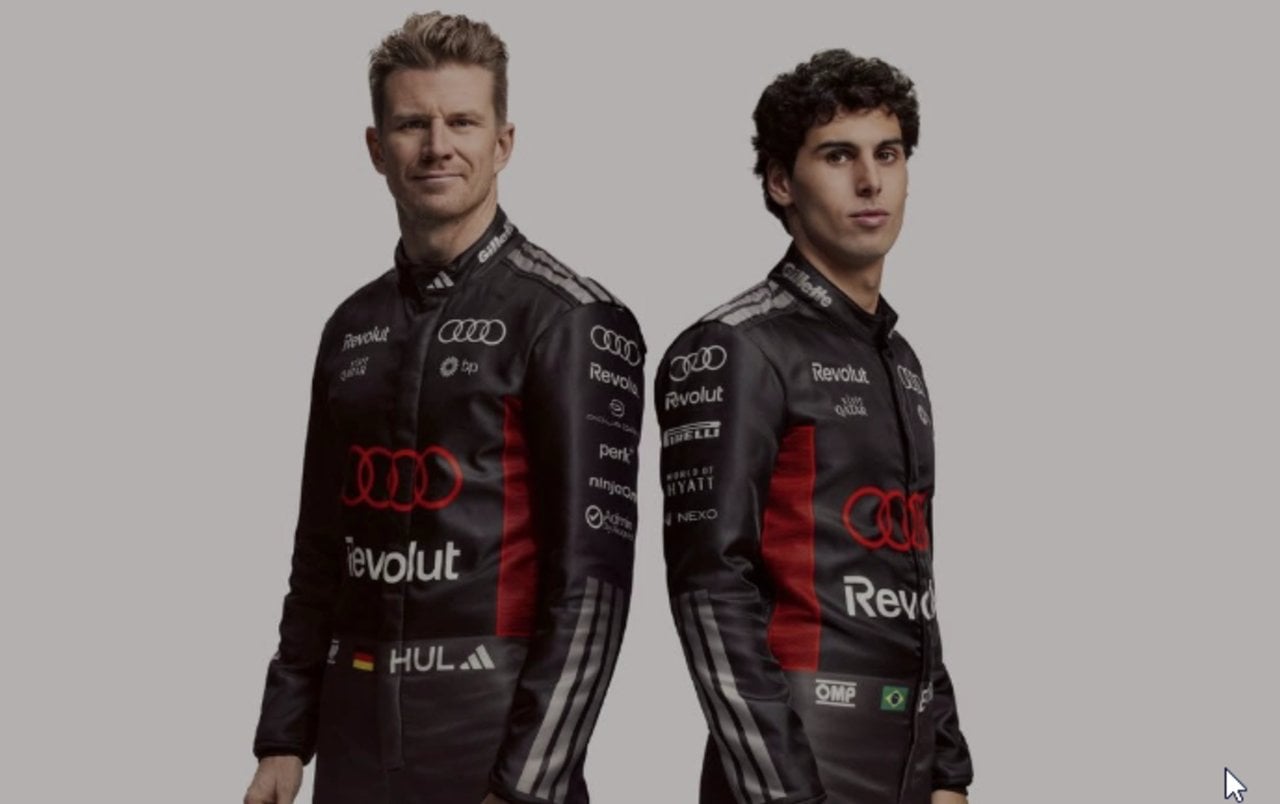
Energy management has established itself as the most transformative aspect of the new Fórmula 1 technical regulations, redefining racing strategies and driving style in essence. Essa innovation requires competitors to reduce speed in certain curves to recharge their batteries, a factor that can vary significantly depending on the specific characteristics of each circuit. The introduction of more complex energy recovery systems, developed with a focus on sustainability and innovation, has brought with it a series of adaptations that drivers need to master to maintain competitiveness throughout an Grande Prêmio and efficiently manage the performance of their vehicles.
The intensified focus on energy efficiency, while representing a considerable technological advance, has generated a chorus of criticism from veterans and experienced names at Fórmula 1. Ele argued that excessive emphasis on energy management can diminish the freedom and need to take calculated risks that, in his view, have always defined the true essence of driving in elite motorsport, directly impacting the way drivers interact with the machine and the track.
Alonso criticizes and remembers past eras of F1
Fernando Alonso, one of the most experienced and respected figures on the current grid, did not hesitate to compare the present scenario of with an unmistakable engine and which effectively rewarded the pilot’s audacity by taking more risks. Ele recalled that, at that time, the way to gain precious seconds was “by going full force into a fast corner and just easing off your foot a little”, an approach that, according to him, seems to be being left aside with the implementation of new regulations and the primacy of energy management.
Energy management, from Alonso’s perspective, removes a significant part of the “challenge” that was once intrinsic to driving in Fórmula 1. Essa percepção do bicampeão mundial reflete uma preocupação genuína com a possível descaracterização do que ele considera o verdadeiro espírito do automobilismo de ponta, onde a audácia e a perícia em alta velocidade eram os principais diferenciais dos grandes talentos, e não apenas a eficiência na conservação de recursos.
The veteran believes that the need to reduce speed in curves to charge the batteries, a requirement of the new rules, compromises a substantial part of the driver’s traditional role. In his analysis, the essence of an Fórmula 1 competitor lies intrinsically in his ability to take risks, to seek the limits of the available equipment and to overcome obstacles with mastery and dexterity. Quando this fundamental aspect is attenuated or even supplanted by technical imperatives focused on energy management, the competition, in his view, loses part of the shine and drama that has always characterized it throughout its history.
Gabriel Bortoleto and the “beautiful challenge”
In clear opposition to the reservations expressed by experienced drivers like Fernando Alonso, the young Gabriel Bortoleto adopts a distinctly more pragmatic and optimistic stance towards the innovations in the Fórmula 1. Bortoleto, aware that the transition to a new technical regulation is always an intrinsically complex and nuanced process, requested greater understanding from both the public and the drivers themselves, highlighting that the 2026 cars are still in an early phase of development and continuous optimization.
The Audi driver emphatically assured that “it is early and, in two or three months, the cars will be faster”, highlighting that aerodynamic and mechanical evolution is an inherent and constant process in the Fórmula 1, never static. Ele recognized that Alonso, with his vast and respectable experience, is used to driving already established and highly developed cars, which have undergone years of continuous improvement. Essa different perspective, according to
The complexity of driving the 2026 models
Gabriel Ele highlights that the changes are profound and affect several aspects of driving, requiring a redefinition of usual techniques. The way of driving, braking, acceleration and, in particular, energy management, have been radically changed, which translates into a substantially different experience on the track. Essa new dynamics imply that, momentarily, the sensation of operating “at the limit” may be less constant compared to previous models, demanding a new interpretation of the limits of the car and the driver himself. However, the young Brazilian driver can see interesting and promising aspects in these transformations, suggesting a still unexplored potential for the future of the category.
Despite the initial perception that cars are “less on the limit” in a traditional sense, Bortoleto makes a crucial observation about the persistent demand for control in high performance. Ele mentions that, when analyzing the “onboards”, the cameras installed in the cars or on the drivers’ helmets, it is possible to see that the competitors are, in fact, operating at the limit, but in a different and more complex way. Há an incessant battle to keep the vehicle under control, with the rear or front seeming to slip away at every turn, which demands refined skill. The
The Brazilian driver maintains an unshakable confidence that, with time and uninterrupted technical progress, the experience of driving the 2026 cars will become more rewarding, intuitive and fluid. Ele projects that “in three or four years they won’t be so bad”, which suggests a significant learning and improvement curve both for the engineers, who work on the design and evolution of the machines, and for the pilots themselves, who need to refine their techniques. Este initial period of testing, such as that carried out on the Circuito Internacional and
The intrinsic complexity of driving new cars requires an in-depth understanding of the newly introduced dynamics. Bortoleto points out that “there is still a lot to learn” and that the category is far from having explored the full potential of the new power units and redesigned chassis. The engines, for example, are still in a phase of intensive and continuous development, and the general expectation is that they will become more powerful and efficient in the coming months, as test data is analyzed and applied. Essa journey of constant improvement is a characteristic and defining feature of the Fórmula 1, as well as being one of the pillars that drive technological innovation within high-speed motorsport.
Youthful optimism and the learning curve
Gabriel Ele sees this transition as a unique opportunity to grow and evolve together with the new generation of cars, proactively adapting to the demands of energy management and new driving dynamics. Para the Brazilian, this phase of adaptation and intensive learning is crucial for the development of new skills, which will become essential in the career of a modern driver, preparing him for the future of the sport.
This optimistic perspective is particularly relevant for the formation of a new generation of champions, who will stand out precisely for their ability to master the complexities of Fórmula 1’s future vehicles. The ability to manage energy effectively and quickly adapt to constant regulatory changes can become a crucial competitive differentiator. Bortoleto believes that the time dedicated now to understanding and improving the driving of these innovative cars will bring significant returns in terms of performance and longevity among the motorsport elite, solidifying its position in the category.
A comprehensive look at the F1 2026 calendar
The 2026 season of Fórmula 1 promises a comprehensive and geographically diverse calendar, with stages scheduled to take place on different continents, thus consolidating the truly global character of the category. From the classic and historically significant tracks at Europa to the challenging urban circuits and cutting-edge facilities at Oriente Médio and Américas, F1 continues to be a global spectacle, attracting fans and competitors from every corner of the globe. Pre-season testing, such as that carried out at Bahrein, serves as an exciting prelude to the intensity that will unfold throughout the year, with each stage representing a new and complex challenge for the teams and drivers involved.
The diversity of circuits throughout the season will test not only the versatility of the new cars and their technical configurations, but also the competitors’ ability to adapt to the varied track, weather and strategic conditions they will encounter. The introduction of sprint races in some specific stages adds an extra layer of complexity and excitement to the competition, offering more opportunities for points and direct and intense clashes before the main Grande Prêmio. The Este format, which has already been tested and improved in previous seasons, aims to intensify the spectacle and keep fans engaged from the beginning to the end of each race weekend, ensuring dynamism and unpredictability.
Global circuits and the sprint format
The full 2026 Fórmula 1 calendar has been meticulously planned to feature an intense sequence of events, beginning its journey at Austrália in March and culminating with the grand finale at Abu Dhabi in December. Cada stage of the championship has unique characteristics that will challenge drivers in different aspects of the car’s performance and strategic energy management, transforming the season into a true marathon of precision, speed and strategy, where every detail can make a difference in the quest for the world title.
- March 6th to 8th: GP of Austrália, Albert Park (Melbourne)
- March 13th to 15th: GP of China (with sprint), Circuito Internacional of Xangai
- March 27th to 29th: GP of Japão, Suzuka International Racing Course
- April 10th to 12th: GP of Bahrein, Circuito Internacional of Bahrein
- April 17th to 19th: GP of Arábia Saudita, Circuito Corniche of Jeddah
- May 1st to 3rd: GP from Miami (with sprint), Autódromo Internacional from Miami
- May 22nd to 24th: Canadá GP (with sprint), Circuito Gilles Villeneuve
- June 5th to 7th: GP of Mônaco, Circuito of Mônaco
- June 12th to 14th: GP of Barcelona-Catalunya, Circuito of Barcelona-Catalonia
- June 26th to 28th: GP of Áustria, Red Bull Ring (Spielberg)
- July 3rd to 5th: Grã-Brittany GP (with sprint), Silverstone
- July 17th to 19th: GP of Bélgica, Circuito of Spa-Francorchamps
- July 24th to 26th: GP of Hungria, Hungaroring (Budapest)
- August 21st to 23rd: GP of Holanda (with sprint), Circuito of Zandvoort
- September 4th to 6th: GP of Itália, Autódromo Nacional of Monza
- September 11th to 13th: GP of Espanha, Circuito of Madrid (IFEMA)
- September 24th to 26th: GP of Azerbaijão, Circuito Urbano of Baku
- October 9th to 11th: GP from Singapura (with sprint), Circuito Urbano from Marina Bay
- October 23 to 25: GP of Estados Unidos, Circuito of Américas (Austin)
- Oct 30 to Nov 1: GP of Cidade of México, Autódromo Hermanos Rodríguez
- November 6th to 8th: GP of São Paulo, Autódromo of Interlagos
- November 19th to 21st: GP of Las Vegas, Circuito Urbano of Las Vegas
- November 27th to 29th: GP of Catar, Circuito Internacional of Lusail
- December 4th to 6th: GP from Abu Dhabi, Circuito from Yas Marina