
Galaxy A line boosts sales and keeps Samsung in the lead in the Latin American market

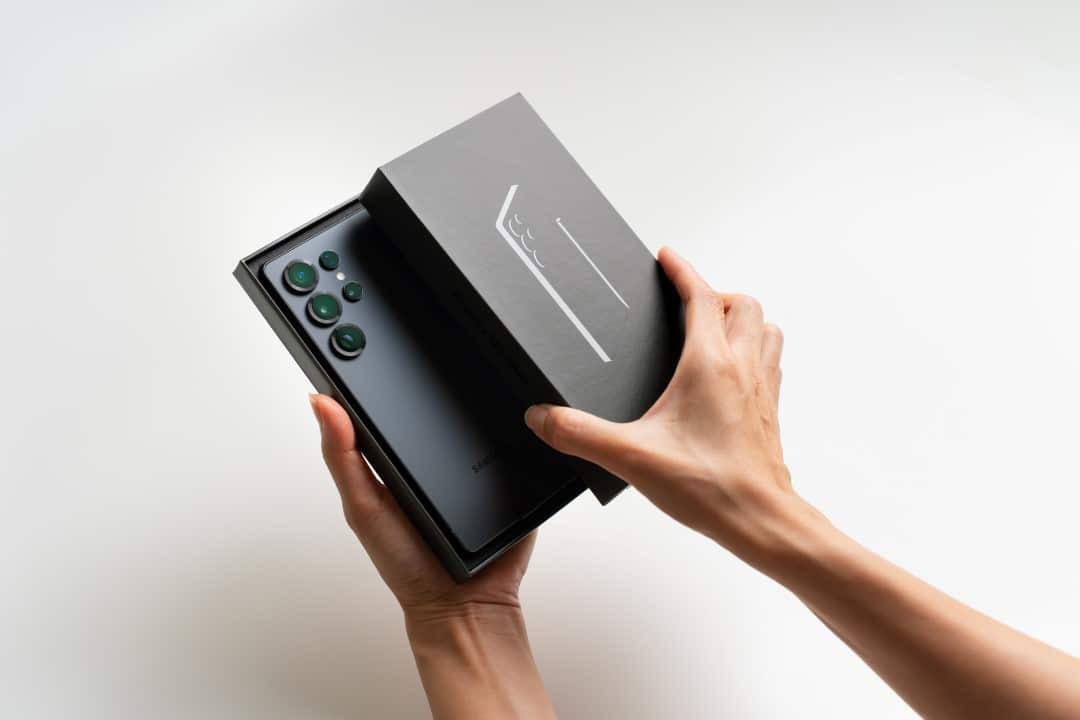
Recent market surveys confirm that the South Korean manufacturer sustained its hegemony in the mobile phone sector in the region during the last annual cycle. The preference of local consumers fell mainly on intermediate devices, which managed to balance advanced technical specifications with prices compatible with the economic reality of Latin countries, guaranteeing a higher sales volume than direct rivals.
The strategy of focusing on devices that deliver features valued in everyday life, such as long-lasting batteries and versatile camera sets, proved to be decisive in maintaining the top of the ranking. Além of hardware, the policy of extended software updates offered by the brand has been a crucial factor in the loyalty of customers who seek greater longevity for their equipment.

Intermediate Series Performance
The models from the Galaxy A family were mainly responsible for the positive numbers recorded by the company. Dispositivos like the A15, A25 and A35 frequently appeared on bestseller lists, driven by wide availability in physical retail and telephone operators. The combination of screens with high refresh rates and efficient processors attracted an audience that needs performance without the high cost of premium models.
Seasonal promotions and easier payment conditions also played an important role in the penetration of these models into América Latina homes. The widespread production and distribution capacity allowed the brand to meet demand quickly, avoiding stock-outs during periods of high demand.
Competitive landscape and trends
Despite the consolidated leadership of the Asian giant, the regional market saw important movements in competition. Motorola maintained a robust presence, competing for consumer preference with distinctive design options and affordable costs. Já to Apple continued to dominate the high-luxury segment, although their total sales volume remains below the market leaders due to the price positioning of iPhones.
The advancement of telecommunications infrastructure in the region also influenced purchasing behavior. The growing 5G coverage in several Latin American countries has accelerated the search for devices compatible with the new technology. The market leader’s quick response, by offering fifth-generation connectivity in entry-level and mid-range devices, was fundamental in capturing this segment of consumers undergoing technological transition.



