
Jetour launches T1 and T2 SUVs on the Brazilian market with a hybrid system and consumption of 31 km per liter

The national automotive sector gains new major options with the official arrival of two sports utility vehicles that promise to redefine efficiency and design standards in the segment. Pertencente to the giant Chery group, the brand begins its local operations focusing on models that combine the visual robustness of classic off-road vehicles with modern electrified propulsion technology. The strategy aims to capture the attention of consumers looking for fuel economy without giving up performance and visual presence on the streets.
Values and extended warranty mark the debut
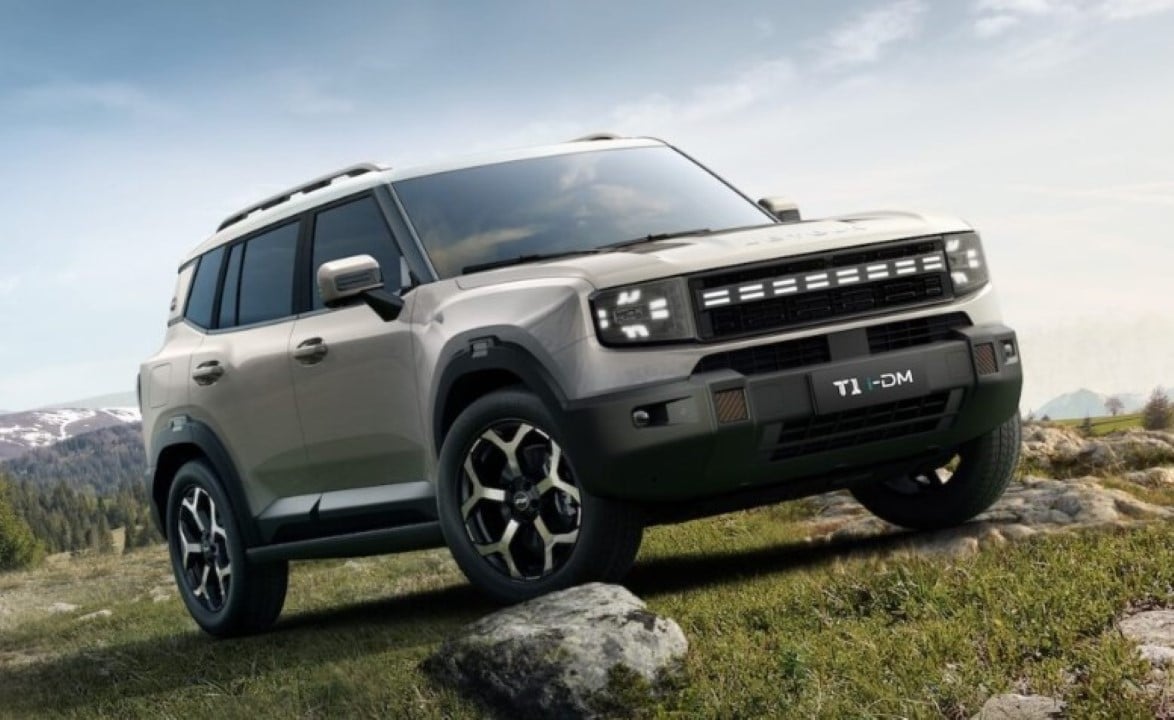
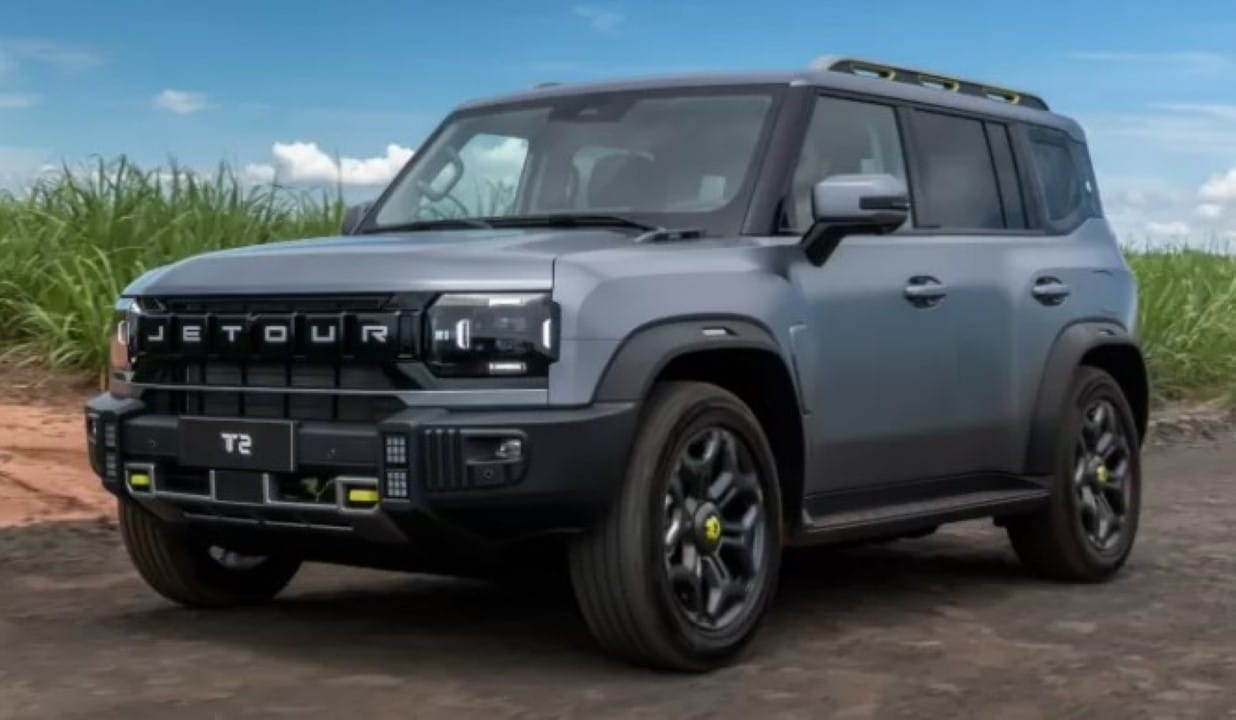
The entry-level model in the range, called T1, arrives at dealerships with a suggested price of R$249,900, positioning itself aggressively against direct combustion and mild hybrid competitors. Já o T2, que oferece dimensões maiores e um acabamento mais refinado, tem seu valor inicial fixado em R$ 289.900, mirando um público que exige maior sofisticação e espaço interno.
Deliveries of the first units to buyers are scheduled to begin in March, consolidating the manufacturer’s expansion schedule in Brazilian territory. Para To reinforce confidence in the durability of the products, the company offers a seven-year warranty for the vehicle and eight years specifically for the hybrid system.
Mechanical performance and energy efficiency
The engine is the major technical highlight, with the T1 equipped with a 1.5 turbo gasoline engine associated with an electric drive, resulting in a combined power of 315 horsepower and torque of 52 kgfm. Esse allows acceleration from 0 to 100 km/h in 8.7 seconds, while the 26.7 kWh battery provides a purely electric range of around 88 kilometers, ideal for daily urban use.
In terms of consumption, the numbers draw attention, with the T1 recording averages of up to 31 km/l under ideal conditions of combined use, which places it among the most economical vehicles in its category. The T2, even more powerful with approximately 320 horsepower due to additional electric motors, maintains efficiency with averages of 27.6 km/l in the city.
The total combined autonomy of the models can exceed the barrier of 1,200 kilometers with a full tank and a charged battery, facilitating long-distance trips.
Square design and expansion plans
Visually, the SUVs adopt straight, imposing lines, with a wide front grille and well-defined wheel arches that reinforce the adventurous aesthetic inspired by traditional jeeps. The interior follows the modern exterior, prioritizing quality materials, integrated digital screens for the multimedia system and a complete package of driving assistants and active safety.
The automaker is already drawing up ambitious plans for the near future, with the intention of expanding the portfolio with three more launches by the end of the year, including seven-seater options. Essa movement confirms the growth trend of Asian brands in Brasil, focused on plug-in hybrid technology.



