
Judge suspends deportation of Chagossians in protest against agreement with Maurício

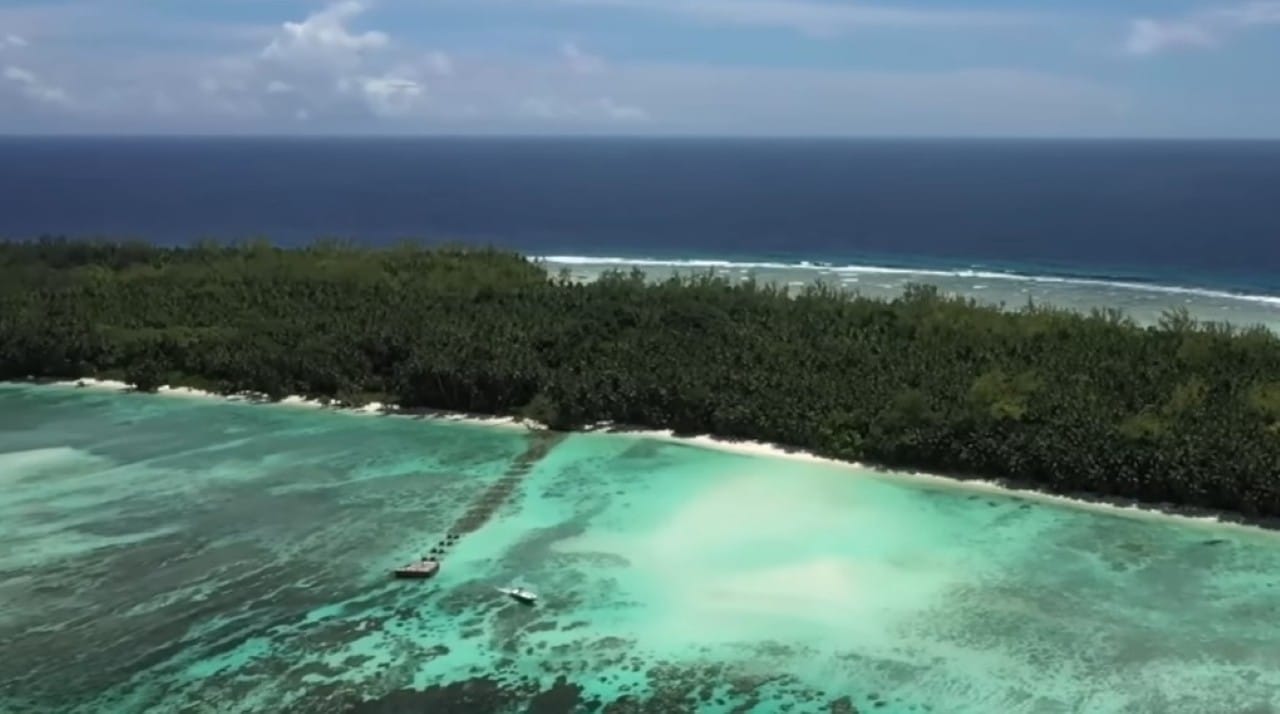
British judge issued order to temporarily block the deportation of four Chagossians who traveled at Ilhas Chagos in protest against the agreement to transfer the territory to Maurício. The activists arrived at the remote archipelago on Monday, after sailing from Sri Lanka, with the aim of establishing a permanent presence in their ancestral land. Autoridades of Reino Unido delivered removal orders, warning of possible fines or imprisonment if they did not leave the premises.
Lawyers for those involved obtained an injunction that prevents the execution of the orders for at least seven days. The decision considers challenges over delays in granting visiting permits and the legality of removal measures. The British government classifies the action as illegal and risky, with no impact on the security of the military base in Diego Garcia.
The Chagossians involved, including Misley Mandarin, expressed commitment to defending rights peacefully and legally. Eles seek definitive revocation of the orders and permission to remain. The case gains relevance amid international negotiations over the sovereignty of the archipelago.
- The proposed transfer includes an annual payment of £101 million for 99 years for the maintenance of joint base Reino Unido-US.
- The agreement faces opposition from Chagossian groups who see it as a barrier to a definitive return.
- Recent international court decisions question British sovereignty over the territory.
- Activists argue that the current occupation does not threaten military operations, being 193 km from Diego Garcia.

Arrival and protest details
The four Chagossians departed the Sri Lanka on a sea voyage that lasted several days until they reached a remote island in the archipelago. Eles declared their intention to create a permanent settlement as a way of claiming historical rights over the site. Autoridades British women responded quickly with formal removal notices, citing Território Britânico Oceano Índico laws that require prior authorization for entry.
The group, supported by a British political organization, financed the expedition through donations. Eles emphasize that the action is peaceful and aims to highlight the Chagossian cause amid the transfer agreement. Their presence in the territory represents a symbolic act of resistance against government decisions seen as unilateral.
Historical context of the archipelago
The Ilhas Chagos have been controlled by the Reino Unido since 1814, with the original inhabitants expelled in the 1960s to set up a military base. The British government paid compensation to Maurício for the archipelago’s separation, establishing it as an overseas territory in 1965. Populações Chagossians were relocated to Maurício and
International courts, including Corte Internacional of Justiça, issued opinions in favor of returning the territory to Maurício. The recent agreement seeks to resolve these outstanding issues, ensuring continuity of the base in Diego Garcia. However, divided Chagossian communities express varying views on the future of the archipelago.
Recent court decisions granted British citizenship to Chagossian descendants in 2022. Isso expanded the debate on sovereignty and human rights in the context of strategic military interests.
Impacts of the court decision
Judge James Lewis, chief justice of Território Britânico of Oceano Índico, argued that the balance of convenience favors the applicants. Ele highlighted the absence of a threat to national security and the difficulties of returning if deportation occurs. The injunction allows seven days for the British authorities to respond, opening space for additional challenges.
Lawyers for the Chagossians are preparing follow-up actions if the orders are not revoked. Eles contest the refusal to grant permissions and the legal validity of the removal measures. The case could influence ongoing negotiations on the sovereign transfer.
The decision complicates efforts by the British government to implement the agreement with Maurício. Posicionamentos from international leaders, including criticism of the pact, adds pressure to the diplomatic process.
Chagossian advocacy groups see the injunction as an initial victory in the fight for recognition of territorial rights. Eles argue that the agreement ignores aspirations for the permanent return of affected communities.
Official positions and reactions
The British Ministério of the Relações Exteriores describes the trip as an illegal and unsafe maneuver. A spokesperson reiterated that entry into the territory requires valid authorization, regardless of ethnic origin or citizenship. The government remains committed to the security of the base in Diego Garcia, operated jointly with the Estados Unidos.
Misley Mandarin, one of the activists present, said they came peacefully and respectfully, without threatening intentions. Ele and his companions undertake to pursue claims through legal means, with dignity and determination. Previous Declarações highlight resistance to forced removal.
Supporting organizations, such as British political groups, fund and promote the cause. Elas criticize the agreement as a betrayal of Chagossian interests and British sovereignty. Campanhas collect donations to support legal and media actions.
Current diplomatic challenges
The transfer deal faces opposition from prominent international figures. Publicações on digital platforms instigate a review of the pact, arguing against territorial concessions. The British government defends the arrangement as a means of ensuring the future of the military base amid adverse court decisions.
Chagossian communities, dispersed between Reino Unido, Maurício and Seychelles, do not present unanimous consensus. Enquanto some vehemently oppose the agreement, others see potential in proposed heritage visitation programs. Debates internal highlights complexities of identity and rights.
Negotiations between Reino Unido and Maurício include clauses for maintaining military operations. Pagamentos annually aim to offset operational costs and ensure strategic stability. However, legal challenges like the current one could delay implementation.
Mauritian authorities express expectations for the transfer, in line with international resolutions. Elas emphasize historical sovereignty over the archipelago, separated during processes of colonial independence.
Legal and future perspectives
Lawyers involved in the case obtained the injunction urgently, even during the judge’s flight. Isso demonstrates the agility of the territory’s judicial system in dealing with emerging issues. The seven-day period allows the authorities to prepare formal responses.
If it continues, the litigation could question the legal basis of the British administration in the archipelago. Central Argumentos involve human rights, administrative delays and validity of removal orders. Decisões favorable to the Chagossians could establish precedents for future access.
Advocacy groups plan additional actions, including international appeals. Eles seek support from human rights organizations to amplify the cause. Campanhas media highlights personal stories of forced displacement.
The British government is preparing responses to maintain the integrity of the agreement. Diplomatas coordinate with allies, including Estados Unidos, to safeguard strategic interests. Atualizações on the case are expected in the coming days.
Strategic elements of the base
The base at Diego Garcia represents a crucial military asset for operations at Oceano Índico. Estabelecida in the 1970s, it supports joint logistics and intelligence missions. The transfer agreement preserves operational control for 99 years, with compensatory payments.
National security interests guide the positions of Reino Unido and Estados Unidos. Críticas to the pact focus on potential long-term risks to the base. Posicionamentos recent reports from American leaders reinforce debates about the viability of the arrangement.
Maintaining the base requires international coordination, considering global judicial decisions. The British territory seeks a balance between sovereign obligations and military commitments. Atualizações in negotiations can influence the outcome of the current case.
Chagossian communities and rights
Chagossian descendants obtained British citizenship in 2022, expanding residency and law options. Muitos reside in Reino Unido, maintaining cultural ties with the archipelago. Programas of heritage visits aim to reconnect with origins, but face logistical limitations.
Community organizations promote education about the history of expulsion. Elas document oral histories and evidence of prior self-government in the archipelago. Esforços include petitions for international recognition of territorial rights.
Internal divisions reflect varied relocation experiences. Enquanto some prioritize return, others focus on compensation and integration into current societies. Diálogos communities seek to unify voices in negotiations.
Recent updates on the case
The judicial injunction represents a milestone in Chagossian resistance against the agreement. Ela suspends immediate removal actions, allowing activists to remain temporarily. Autoridades has seven days to object, potentially extending the litigation.
Reactions from British political groups celebrate the decision as a victory against government policies. Eles argue that the agreement ignores Chagossian aspirations and national interests. Campanhas online mobilize public support for the cause.
Diplomatic developments include discussions in international forums. Posições of nations involved, such as Maurício and Estados Unidos, influence future trajectories. Monitoramento continuation of the case reveals dynamics of remaining colonial sovereignty.
Implications for sovereignty
The Chagos archipelago exemplifies post-colonial disputes over overseas territories. Decisões of Corte Internacional of Justiça in 2019 declared illegal separation, recommending return to Maurício. The Reino Unido initially resisted, but moved forward with a bilateral agreement.
The current pact balances judicial resolutions with military needs. However, internal and external oppositions question its legitimacy. Ativistas Chagossians argue for broader consultation with affected communities.
Future negotiations may incorporate Chagossian voices directly. Modelos of shared governance emerge as options for peaceful resolution. The current case tests the agreement’s resilience in the face of legal challenges.



