
Renewal of Toyota’s hybrid icon brings powerful engine and futuristic design to attract new drivers


The global automotive industry is closely watching the Japanese automaker’s latest move, which has decided to completely redefine the parameters of its most iconic hybrid vehicle. Reconhecido historically driven by fuel efficiency, the model now seeks to combine this characteristic with unprecedented sporting performance, aiming to guarantee the longevity and emotional appeal of private transport. Esta new generation arrives on the international market with the promise of breaking with the conservative design of the past, presenting a bold aesthetic and a significantly more robust mechanical package than previous versions.
Engineers and designers have joined forces to create a platform that not only reduces carbon emissions but also delivers visceral dynamic response. The introduction of the revised plug-in hybrid system allows the vehicle to travel much greater distances using electricity alone, eliminating the range anxiety typical of pure electric vehicles and meeting growing demands for zero-emission urban mobility. Acceleration from 0 to 100 km/h now takes approximately seven seconds, figures that rival traditional sports sedans and mark a break with the image of slowness associated with the brand in the past.
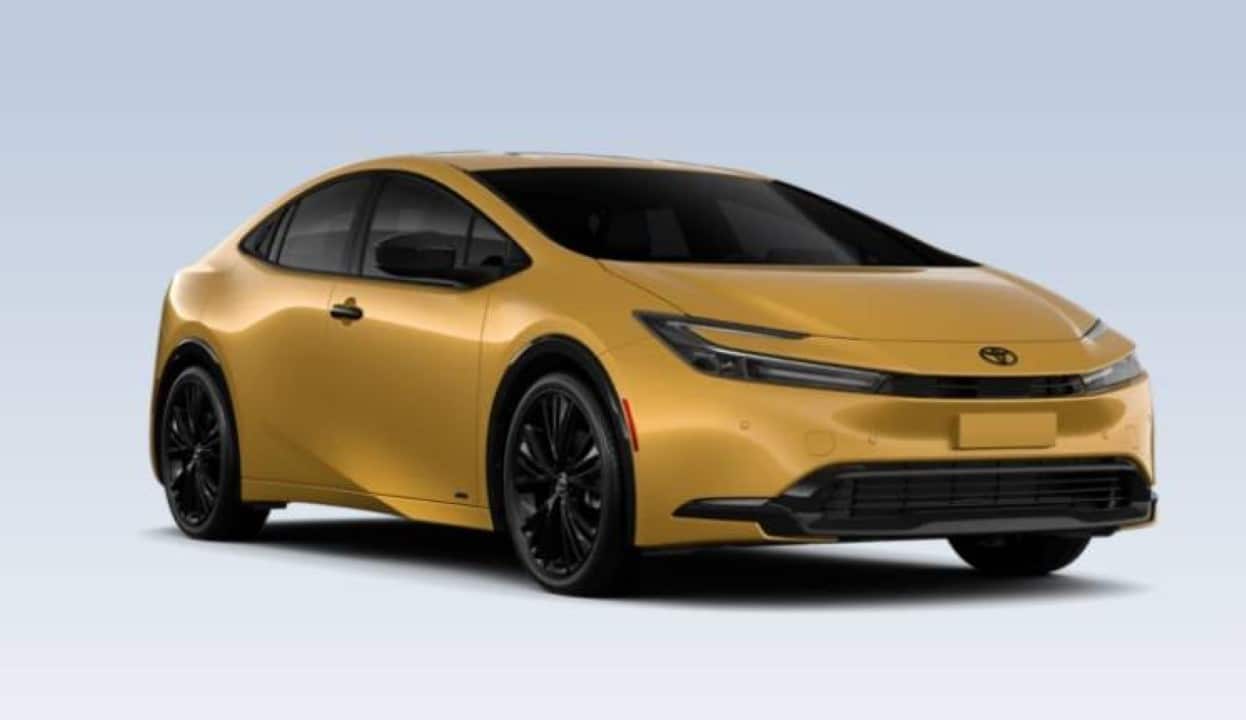
The manufacturer’s strategy includes the integration of advanced sensors and high-resolution cameras as standard items, democratizing driving assistance technologies. The objective is to drastically reduce the incidence of urban and road accidents through proactive safety systems. With this update, the company reaffirms its commitment to carbon neutrality, using the model as a technological showcase to increase energy efficiency without sacrificing performance or driving pleasure, proving that environmental responsibility does not require compromises in the user experience.
Platform evolution and functional aerodynamics
The vehicle’s structural base uses the second-generation TNGA global architecture, developed specifically to lower the car’s center of gravity and increase torsional rigidity. Essa chassis engineering allows for more stable driving in curves and direct steering response, eliminating the feeling of floating common in models focused solely on economy. The suspension was recalibrated to better absorb imperfections in the ground, ensuring that driving comfort is maintained even with the increase in the car’s dynamic capacity.
The exterior design adopts a coupe-inspired silhouette, with a roofline that flows smoothly to the rear, optimizing airflow and reducing the aerodynamic drag coefficient. The front incorporates the “Hammerhead” visual concept, integrating tapered LED headlights and a functional lower grille that helps cool the batteries and combustion engine. The 19-inch wheels, available on top-of-the-line versions, fill the wheel arches in an imposing manner, giving an athletic stance that radically distances the model from the utilitarian aesthetics of past generations.
Mechanical performance and energy efficiency
The heart of the new powertrain is a 2.0-liter gasoline engine, which works in conjunction with high-power electric motors to deliver vigorous traction. The lithium-ion battery, with improved energy density, was repositioned under the rear seat, freeing up space in the trunk and contributing to the weight balance between the axles. Essa configuration allows the hybrid system to manage energy more intelligently, switching between driving modes without the driver noticing the transitions.
Efficiency remains the central pillar of the project, reaching impressive consumption figures of up to 27 km/l in ideal conditions of mixed use. The plug-in version (PHEV) stands out for its ability to travel around 70 km using electricity alone, covering the daily routine of most urban drivers without using a drop of fuel. Além In addition, energy regeneration during braking has been increased, allowing faster charge recovery when going downhill or stopping at traffic lights.
The combined hybrid system generates a total power of 223 horsepower, far surpassing the predecessor model. Acceleration from 0 to 100 km/h is achieved in 6.7 seconds, allowing safe overtaking on high-speed highways. The intelligent all-wheel drive (AWD) system is available, electrically driving the rear wheels in situations of loss of grip.
For everyday use in the city, emphasis has been placed on EV mode, whose electric range has been increased by 50% compared to the previous generation.
Internal technology and user experience
The vehicle’s interior was designed under the concept of “Island Architecture”, aiming for a stress-free environment for the driver, based on human ergonomics. The 7-inch digital instrument cluster is positioned in the upper field of vision, functioning as a natural head-up display so your eyes don’t need to look away from the road. In the center, a 12.3-inch touchscreen displays infotainment functions, offering wireless smartphone connectivity and system updates via the cloud, keeping the car’s software up to date with the latest information.
Active ambient lighting integrates interior design with safety systems, visually alerting the driver to potential hazards through changes in the color and intensity of dashboard lights. Atenção Special attention was given to acoustic insulation, using sound-absorbing materials on the doors and floor to filter wind and road noise. The seats have been redesigned to offer better lateral support, essential to keep up with the vehicle’s new cornering ability.
Preventive assistance and safety systems
Preventive safety is guaranteed by the latest generation Toyota Safety Sense package, which uses a radar and monocular camera set to monitor the vehicle’s surroundings in 360 degrees. The pre-collision system has been improved to detect pedestrians, cyclists and even motorcycles in low light conditions, and can automatically apply the brakes if the driver does not react in time. Adaptive cruise control now works in all speed ranges, controlling the distance between cars and stopping autonomously in traffic jams, making driving in heavy traffic easier.
Another highlight is the advanced parking assistant, which allows you to maneuver the car from outside the vehicle using a cell phone application, ideal for tight spaces where opening the door would be difficult. Blind-spot monitoring works in conjunction with rear cross-traffic alert to avoid collisions when exiting a garage, and the lane-keeping system makes small steering corrections to keep the car centered in the lane.
Innovation in charging and sustainability
In the plug-in hybrid version, the automaker introduced an optional sunroof system that integrates high-efficiency photovoltaic cells to charge the battery while the car is parked in the sun. Esse system can generate enough energy to travel up to 1,250 km per year with sunlight alone, depending on the region’s climatic conditions. The onboard charger has also been upgraded to support higher power, reducing the time needed for a full charge at home or public stations.
The battery’s thermal management now uses a more efficient liquid cooling system, ensuring cell longevity and maintaining performance even in intense use or extreme climates. The commitment to sustainability extends to the materials used in the cabin, with the adoption of recycled plastics and high-quality synthetic fabrics to replace animal leather on various surfaces. Vehicle production follows strict environmental standards, aiming for carbon neutrality throughout the product’s entire life cycle, from manufacturing to final disposal.
Market positioning and competition
With the launch of this model, efficiency is no longer the only selling point, becoming a product that also competes for design and driving pleasure in an increasingly competitive segment. The vehicle arrives to compete for space not only with other traditional hybrids, such as the Honda Civic and Hyundai Elantra in their electrified versions, but also with entry-level models from premium brands that have not yet made the complete transition to electrification. The North American market projects a starting price of around 30 thousand dollars, positioning it as a rational and stylish option for those looking for cutting-edge technology.
Market analysts point out that the combination of the brand’s historic mechanical reliability with an emotional design could attract a younger audience that had previously not considered this model. The launch takes place in a staggered manner globally, with Japão, América of Norte and Europa being the priority markets due to the more robust charging infrastructure. In the Brazilian scenario, the arrival of this model, whether via official or independent import, will depend on regional strategies and the demand for premium electrified vehicles, which has shown consistent growth in recent years.



