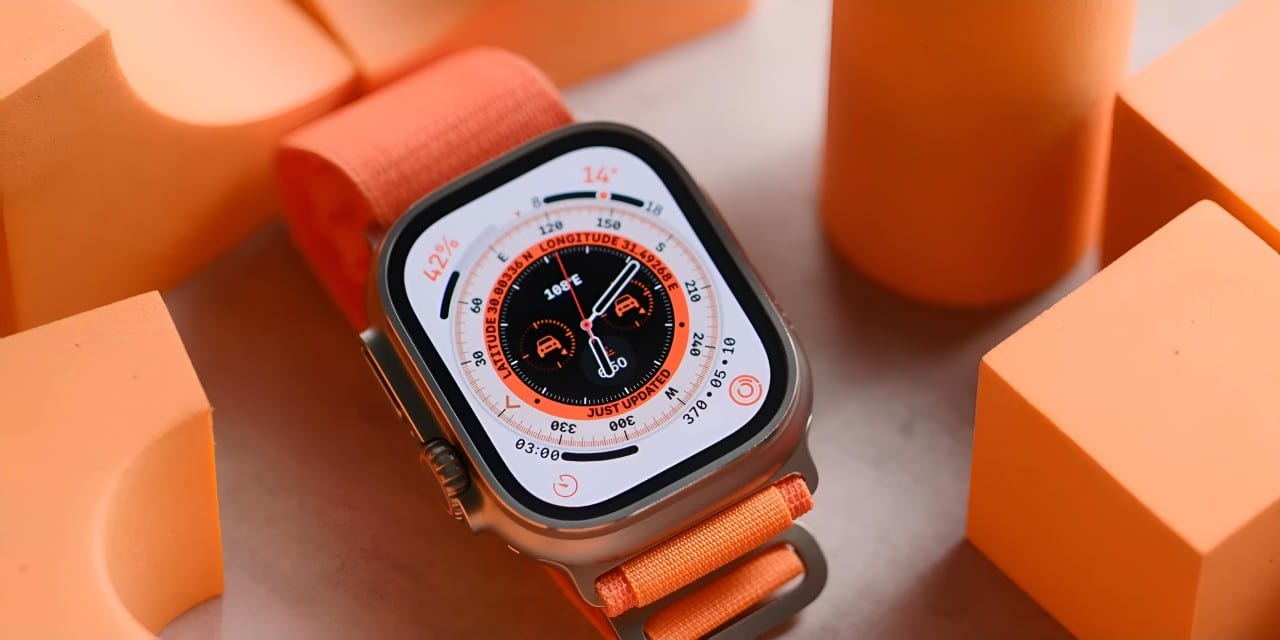
The wearable technology market is going through a period of significant transformation, driven by consumer demand for devices that offer greater energy independence. Fabricantes of smart watches have intensified the development of models that combine advanced health features with superior battery life, defying the need for daily recharges. Essa new generation of devices seeks to serve users who prioritize durability and continuous monitoring without frequent interruptions.
Competition in the sector intensifies with the launch of devices that promise fluid integration with the iOS system, offering a viable alternative to the Apple ecosystem. With prices ranging between R$279 and R$1,636, the new options on the Brazilian market aim to fill gaps left by traditional models, especially in terms of energy. The brands’ strategy involves delivering robust hardware and optimized software to ensure notifications and health data are synced accurately.

Consumers are increasingly looking for more versatility in their accessories, demanding that watches function both as personal assistants and physical trainers. The industry’s response has been to introduce high-resolution displays and improved biometric sensors at more affordable price points. The ability to keep the device on your wrist for weeks, instead of hours, has become a crucial competitive differentiator to win public preference in 2026.
Energy efficiency and lightweight design stand out
Among recent innovations, the search for balance between lightness and power stands out, exemplified by the Huawei Band 10. The device was designed with an aluminum alloy body weighing just 14 grams, focused on providing comfort during prolonged use, including while sleeping. This model’s battery lasts up to 14 days of continuous use, and its fast charging system allows the charge to be completed in just 45 minutes, minimizing the time the user is disconnected.
In the entry-level segment, the Xiaomi Smart Band 10 presents itself as a competitive option, with a suggested starting price of R$286. The model incorporates a 1.72-inch AMOLED screen with a brightness of 1,500 nits, guaranteeing visibility even in intense sunlight. Sua 233 mAh battery has been optimized to offer up to three weeks of autonomy, serving those who want to monitor daily activities without constantly worrying about plugs.
The 5 ATM water resistance equips these devices for swimming and water activities, expanding their scope of use. The combination of durable materials with sharp visual interfaces reflects a maturation of industrial design focused on real usability. The proposal is to deliver an experience that does not force the user to choose between aesthetics and technical functionality.
Connectivity and features for outdoor activities
For outdoor sports enthusiasts, the Amazfit Bip 6 introduces independent navigation features such as built-in GPS with offline map support. With a large 1.97-inch screen and 2,000 nits brightness, the watch makes it easy to read data on the go. The 340 mAh battery supports up to two weeks of use, even with activity tracking activated, positioning the model, which costs R$549, as a robust tool for runners and cyclists.
In the field of communication, the Redmi Watch 5 prioritizes voice interaction and clarity in calls. Equipado with a 2.07-inch screen and 60 Hz refresh rate, the device offers fluid navigation. The technical highlight lies in the noise cancellation system with dual microphone for calls via Bluetooth, supported by a 550 mAh battery that promises up to 24 days of duration, with a market price starting at R$679.
Extreme durability and premium monitoring
The high-performance segment welcomes the Huawei Watch GT 6, a device built to withstand harsh conditions, certified with an IP69 rating against high-pressure jets and extreme temperatures. Sua 867 mAh battery is the largest in its category, allowing up to 21 days of operation away from the charger. The screen reaches a peak brightness of 3,000 nits, ensuring readability in any environment, and is sold for R$1,636.
At the same time, the Huawei Watch Fit 4 focuses on the elegance and detail of health data, priced at R$1,099. Sua 1.82-inch screen displays complex metrics such as oxygenation levels and sleep monitoring with high accuracy. Abaixo, here are the main technical highlights that define the current scenario of wearables:
– Huawei Band 10: Estrutura ultralight 14g and full recharge in less than an hour.
– Xiaomi Smart Band 10: Autonomia of 21 days and high brightness screen for outdoor use.
– Amazfit Bip 6: Native GPS for route tracking without the need for a cell phone.
– Redmi Watch 5: Cancelamento noise on calls and battery for almost a month.
– Huawei Watch GT 6: Proteção IP69 and robust construction for extreme environments.
