
Study reveals that 99% of adults over 40 years of age have shoulder abnormalities on MRI

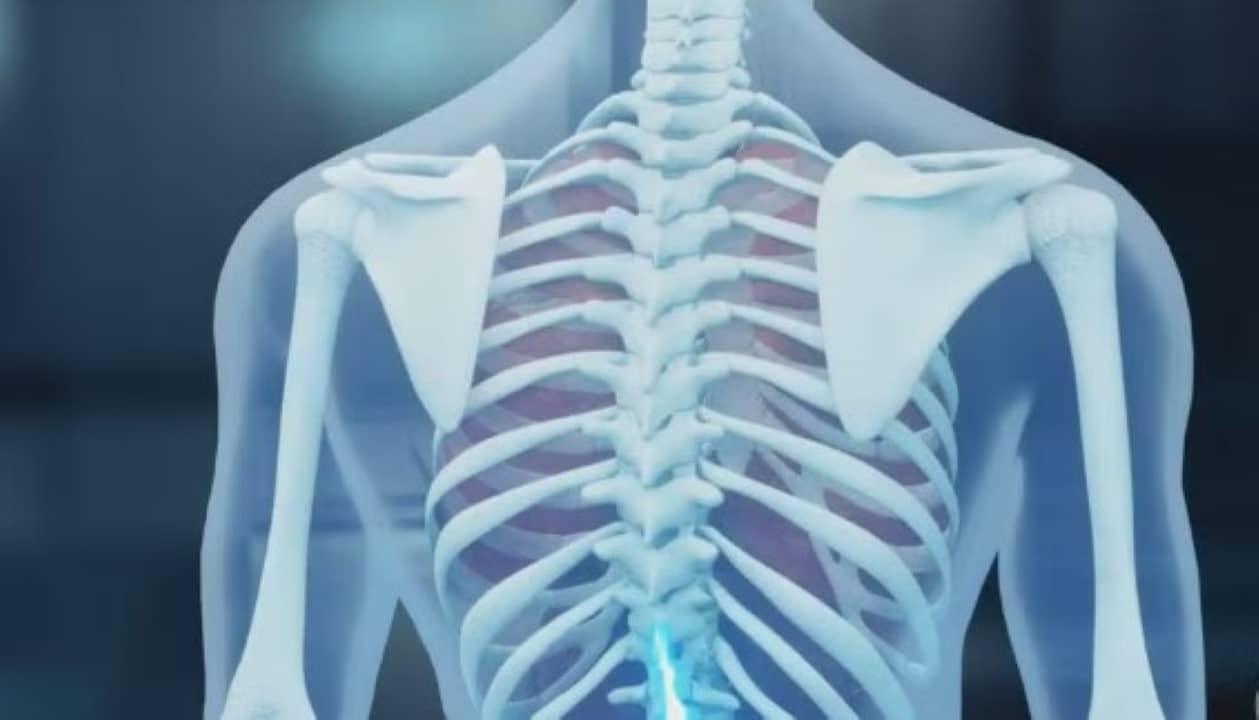
Population study conducted at Finlândia analyzed 602 adults aged between 41 and 76 years using bilateral shoulder MRI and standardized clinical assessment. The results indicated that 98.7% of participants had at least one rotator cuff abnormality. Essa estrutura musculotendínea mantém a cabeça do úmero posicionada na cavidade glenoidal e frequentemente recebe atribuição de dores e limitações funcionais.
The survey included individuals representative of the general population. Dentre of them, 82% reported no shoulder symptoms, while 18% mentioned some discomfort. The images revealed changes in 595 of the 602 participants evaluated.
Abnormalities detected included tendinopathy in 25% of cases, partial tears in 62%, and complete tears in 11%. Essas changes increased in frequency and severity as the age group advanced. Não there were significant differences between men and women.
Findings in asymptomatic and symptomatic shoulders
Imaging showed abnormalities in 96% of shoulders with no reported symptoms. Nos shoulders with complaints, the index reached 98%. Essa proximity in percentages suggests low direct correlation between visual changes and the presence of pain or limitation.
Tendinopathy and partial tears showed similar distribution between groups. Apenas complete tears exhibited slightly higher prevalence in symptomatic shoulders. Após statistical adjustments, this difference proved to be minimal.
Most common tendon changes
The supraspinatus tendon concentrated most of the abnormalities. Alterações in this location occurred in almost all detected cases. The infraspinatus and subscapularis tendons followed in the frequency sequence.
The teres minor tendon recorded the lowest rates of involvement. Muitos participants presented multiple simultaneous changes in the different tendons of the rotator cuff.
Progression of abnormalities with age
No complete tears appeared in participants under 45 years of age. The proportion of severe changes increased progressively in the older age groups. Entre 70 and 76 years, the rates of complete tears approached higher values.
This trend reinforces the degenerative nature of the observed changes. The authors indicate that such findings reflect natural processes related to tissue aging.
Implications for the use of MRI
The high prevalence of changes in individuals without complaints questions the routine of requesting imaging tests for shoulder pain without trauma. Muitos incidental findings can generate misinterpretations about the origin of symptoms.
Clinicians should prioritize clinical history and physical examination. MRI serves best as a complement in selected cases. The language in reports needs to avoid terms that suggest serious traumatic injuries in degenerative contexts.
Sample details and methodology
The research used 3 Tesla equipment for greater precision in the images. Todos participants underwent a standardized clinical assessment before the exams. Interobserver agreement was almost perfect in the criteria for classifying abnormalities.
The study took place between February 2023 and April 2024. The sample was derived from the national public health cohort in Finlândia. The results align with previous evidence on incidental findings in mature adult populations.
Symptom and treatment considerations
Shoulder pain affects up to a third of the adult population at some point. However, most of the abnormalities detected do not directly explain the symptoms. Abordagens conservative measures such as rest, physical therapy and observation remain indicated in most initial cases.
The decision for surgical interventions should be based on clear functional limitations. Imaging alone rarely defines appropriate treatment. The findings reinforce the need for cautious interpretation of MRI results.



