
Toyota points to hybrid alternatives for RAV4 buyers affected by production delays

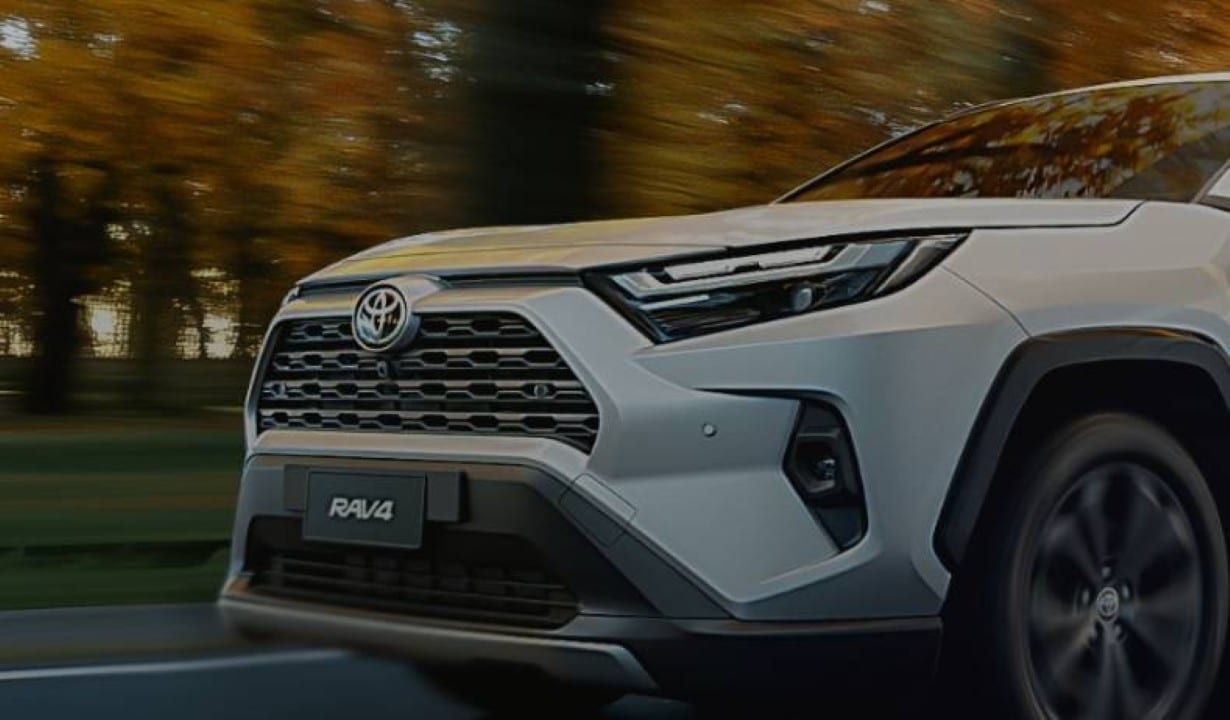
The Japanese automotive giant recently confirmed that it faces significant challenges in its global supply chain, directly impacting the manufacturing of one of its most strategic and best-selling models. The shortage of essential components, specifically advanced electronic modules and high-density batteries, created a bottleneck on the mid-size SUV assembly line, resulting in extended delivery times that deviate from the company’s usual standard. Diante unable to meet the original delivery schedule, the company opted for a transparent approach to manage consumer expectations.
To mitigate customer frustration and avoid migration to competing brands, the automaker implemented a commercial strategy focused on offering substitute products within its own portfolio. The guidance passed on to the dealership network is to present options that are immediately available or have reduced delivery times, keeping buyers loyal to the brand’s hybrid technology.
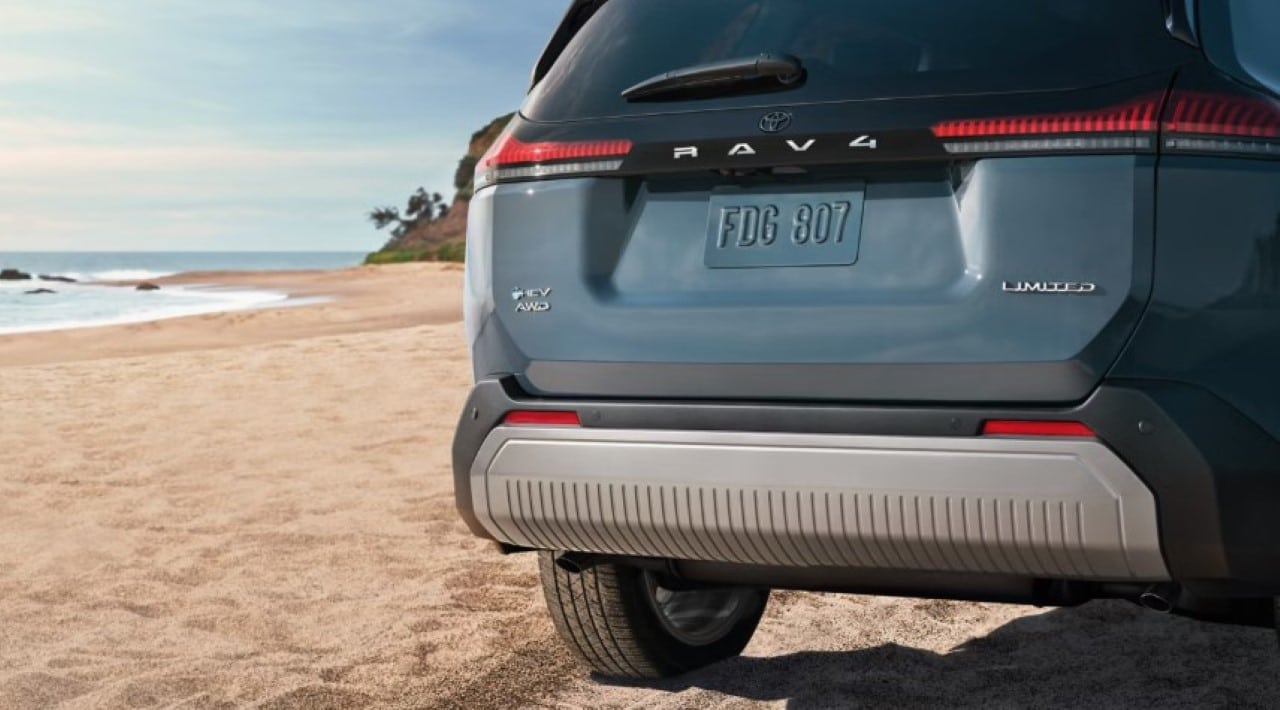
The scenario reflects the ongoing complexity of automotive industrial logistics, where the lack of a single component can paralyze the completion of thousands of units. The decision to suggest a model change aims not only to maintain sales volume, but also to ensure that the customer experience is not hampered by uncertainty regarding the date of receipt of the new vehicle.
Retention strategy and suggested alternatives
The corporate guideline is clear: prioritize the delivery of vehicles that share the same propulsion technology base, but that have not been as affected by the shortage of RAV4-specific parts. The objective is to prevent consumers, tired of waiting, from looking for solutions at Honda dealerships or from South Korean manufacturers, which compete aggressively in the same market segment.
Among the main alternatives put on the table by sellers, two renowned models that use similar hybrid systems stand out. The company is betting that the reliability reputation of these vehicles will be enough to convince the customer to make the switch. The options focus on maintaining the energy efficiency standard and the equipment package, features valued by the public in the missing SUV.
Models recommended as immediate replacements to bypass the waiting list include:
- Corolla Cross:An SUV that, although positioned slightly lower in terms of size, offers the same hybrid engine and urban versatility, catering to those looking for a high driving position.
- Camry Sedan:Voltado for those who prioritize comfort and superior internal space, maintaining the brand’s technological sophistication and electrified propulsion system.
Both vehicles share the brand’s global architecture and offer robust safety packages, which facilitates the sales argument. Para many customers who need the car urgently, the immediate availability of the Corolla Cross or the Camry becomes a decisive factor, overcoming the initial preference for the specific design or size of the RAV4.
Impacts on the supply chain and logistics
The root of the problem lies in the complexity of modern vehicles, which increasingly rely on semiconductors and specific batteries to operate their driving assistance and energy management systems. The affected model uses a component configuration that, at the moment, has low availability in primary suppliers’ stocks.
While production of other models continues at a normal pace, the RAV4 line suffers from intermittent receipt of these critical parts. The automotive industry works with a “just-in-time” system, where minimum inventories are maintained to reduce costs. Quando A supply failure occurs, the impact on the end of the chain is almost immediate, generating an accumulation of orders in the backlog.
Market analysts note that this demand redirection maneuver is a smart stopgap solution. Instead of simply reporting the delay, the brand offers an active solution. Isso demonstrates a capacity for logistical adaptation, moving stocks of models with greater availability to fill the gap left by the currently unavailable sales flagship.
Market reaction and consumer outlook
Acceptance of this proposal will depend on the consumer’s profile. Enquanto Some buyers are flexible and prioritize immediate ownership of a reliable, fuel-efficient vehicle, others may consider switching to a sedan or smaller SUV as a “downgrade” or an unwanted change in category. However, transparency about deadlines is seen as a positive point in the commercial relationship.
The market is closely watching how this strategy will affect registration numbers in the coming months. If successful, the tactic could serve as a case study in supply crisis management, proving that brand loyalty can overcome loyalty to a specific model, as long as the core technology — in this case, the hybrid system — is preserved.



