
Toyota recommends model change after confirming delays in production of the new hybrid SUV due to lack of parts

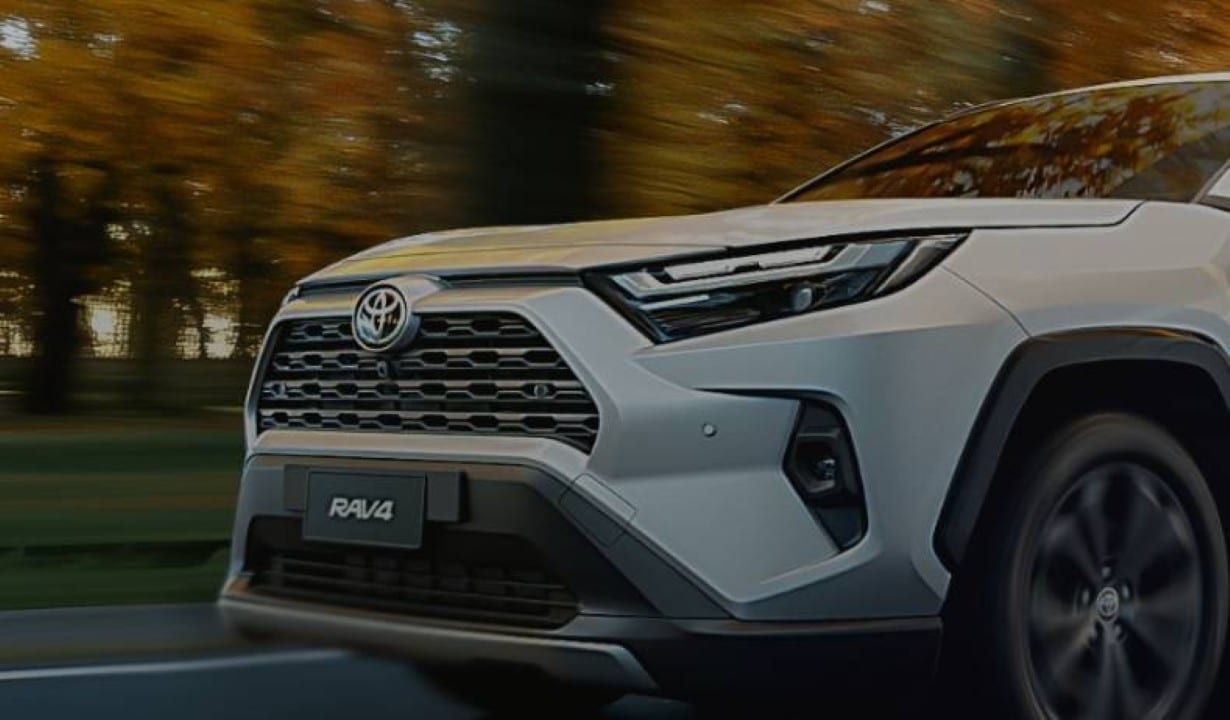
The global automotive industry faces a new logistical challenge that directly impacts the launch and distribution of high-demand vehicles. Toyota, the world leader in sales, recently signaled strategic adjustments in relation to the delivery schedule of one of its main products, the RAV4 SUV scheduled for the 2026 line.
This movement occurs in a scenario where the demand for electrified vehicles continues to grow, putting pressure on the production capacity of factories. The company identified that the wait for the new model could exceed acceptable limits for the average consumer, creating a risk of migration to competing brands. Para To mitigate this possibility, the dealership network was instructed to offer options with immediate availability, ensuring that the buyer remains within the brand’s ecosystem.
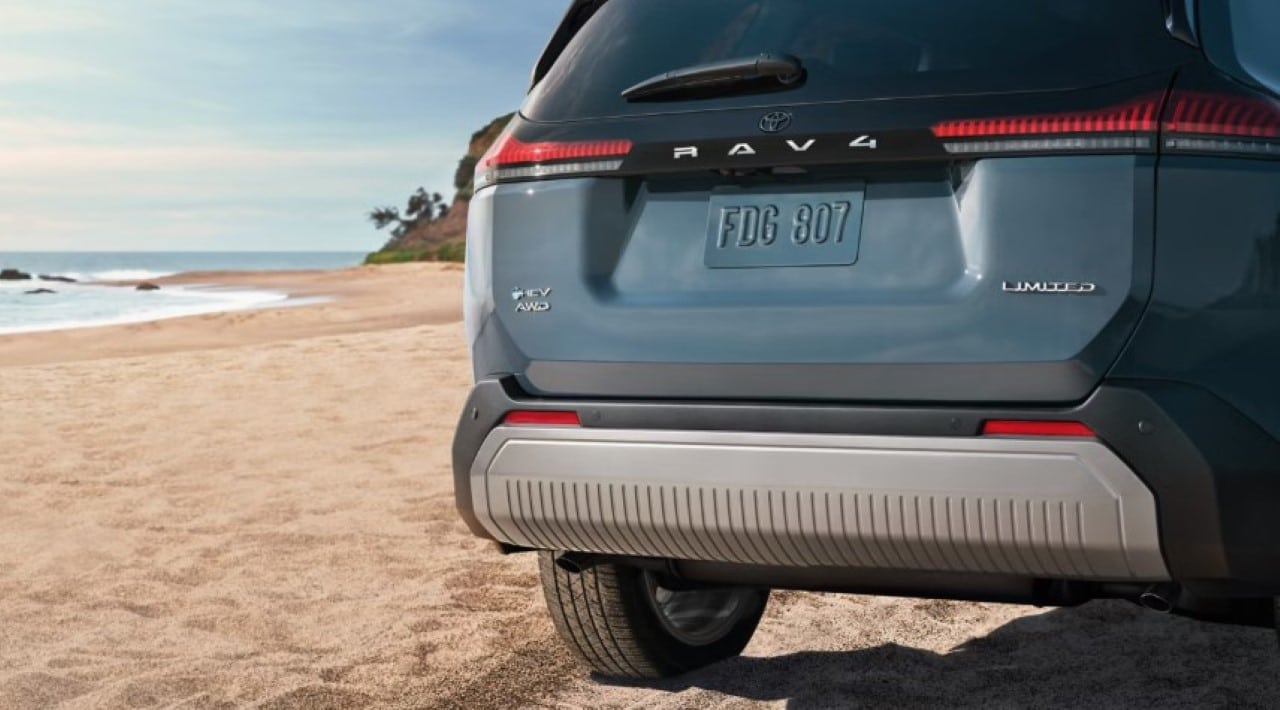
The decision reflects crisis management focused on transparency and maintaining customer loyalty. Instead of extending deadlines indefinitely, the commercial strategy now prioritizes the delivery of vehicles that already have stabilized assembly lines and regularized stocks. Essa approach seeks to balance market expectations with the current industrial reality, affected by occasional shortages of essential components for new generations of automobiles.
The main factors that motivated this commercial reorientation include:
– The persistent instability in the supply of advanced semiconductors, crucial for the security and infotainment systems of new models.
– Restrições in the supply of high-voltage batteries necessary for the latest generation hybrid sets, whose production has not yet reached the full scale demanded by recent launches.
– Gargalos logistics in international shipping, which continue to affect the distribution flow between Asian factories and Western markets.
Bottlenecks in the production of electronic components affect the schedule
The core of the problem lies in the technological complexity embedded in the new generation of sports utility vehicles. The 2026 RAV4 model was designed with a renewed electronic architecture, requiring a greater number of microchips and control modules compared to its predecessors. Essa sophistication, although attractive to consumers, has made production more susceptible to disruptions in the semiconductor supply chain, which still operates with thin margins in several industrial sectors.
In addition to chips, the energy issue imposes significant barriers. The automaker relies on outside suppliers for vital high-capacity battery components. With the global race for electrification, the competition for raw materials and energy cells has intensified, creating a mismatch between Toyota’s sales projections and the real delivery capacity of technological partners. The lack of synchronization resulted in the need to postpone deliveries to avoid manufacturing incomplete vehicles.
Market analysts note that this situation is not exclusive to the Japanese automaker, but the scale of production of the RAV4 makes the impact more visible. The reliance on integrated software and hardware systems means that the absence of a single sensor can halt the completion of thousands of units. The company therefore chose not to compromise on quality or deliver cars with limited functionality, preferring to manage demand through substitute products.
Alternatives focus on the TNGA platform and hybrid technology
To resolve the impasse, the manufacturer highlighted two specific models as viable alternatives for consumers who do not wish to wait for the RAV4 line to be normalized: the Corolla Cross and the Camry sedan. The choice is not random; Both vehicles share the renowned TNGA platform (Toyota New Global Architecture), which guarantees fundamental similarities in drivability, safety and energy efficiency, points valued by the SUV’s target audience.
The Corolla Cross operates in the medium sports utility vehicle segment and offers versatility and interior space compatible with the category. The Já or Camry, despite being a sedan, delivers a superior level of comfort and finish, attracting customers who prioritize luxury and onboard technology. Ambos the models have consolidated hybrid systems, whose production does not suffer from the same severe component restrictions that affect the most recent launch, allowing for agile delivery.
The sales strategy emphasizes that exchanging for the Corolla Cross or Camry does not represent a “downgrade”, but rather a rational choice based on availability and mechanical reliability. Salespeople were trained to demonstrate comparative advantages, such as fuel economy and the driving assistance package, which are already mature in these models. Dessa way, the brand tries to transform a logistical frustration into an opportunity to present other products from its portfolio.
Impacts on logistics and appreciation of the used car market
The official recommendation of alternative models also generates side effects on the used vehicle market and the perception of brand value. With the restriction on supply of the new RAV4, current generation and pre-owned units tend to see an immediate increase in value. Proprietários current models of the SUV may benefit from lower depreciation, as demand for the model remains high, but the zero kilometer supply is temporarily compromised.
From a logistical point of view, the decision helps to free up factory yards and optimize transportation. By focusing on the distribution of models with stable production, Toyota is able to keep the flow of ships and stork trucks operating efficiently, avoiding the costs of storing unfinished vehicles. Maintaining sales volume, even through other models, is crucial for the financial health of the dealership network and for sustaining the company’s market share.
Experts point out that the full normalization of 2026 RAV4 inventories should occur gradually throughout the second half of the year, as new chip and battery supply contracts come into force. Até there, the transparency policy and the offering of robust alternatives such as the Corolla Cross and the Camry serve as an essential buffer to maintain consumer confidence in the brand’s ability to deliver mobility solutions, even in the face of global adversity.




