
Advances in artificial intelligence pressure chip stocks and should delay new consoles

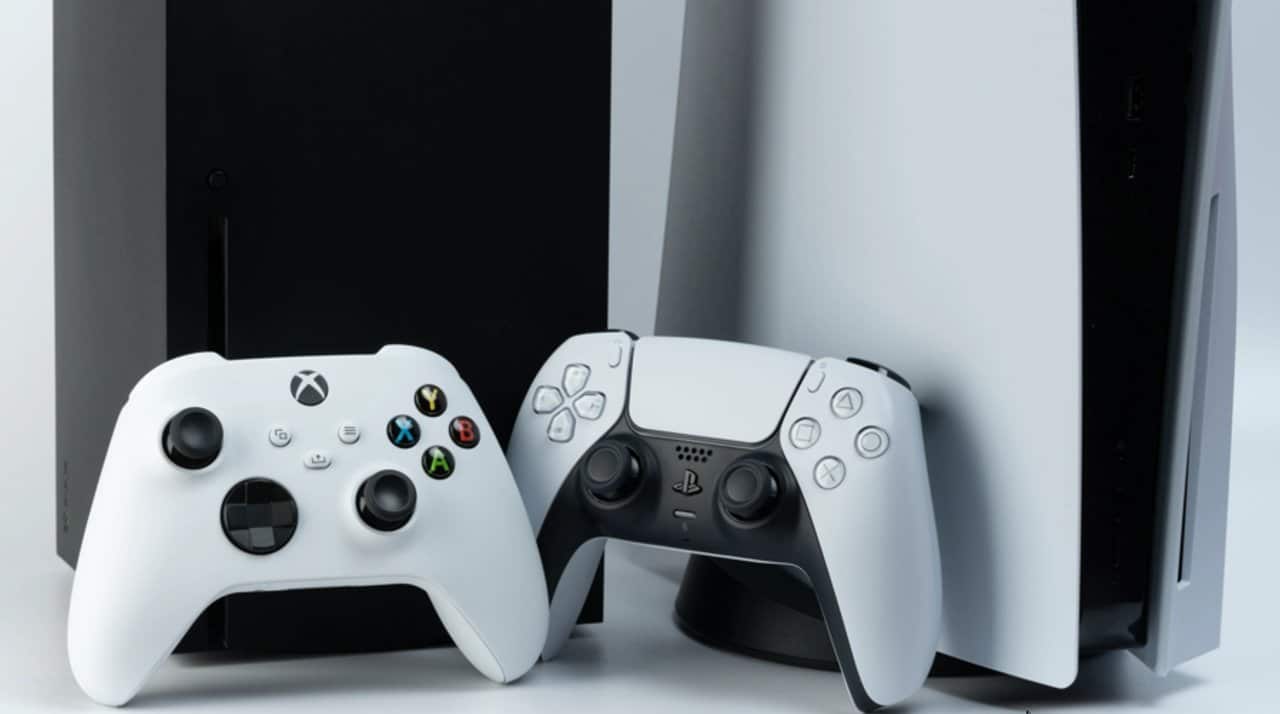
The global electronic entertainment industry faces a major logistical hurdle that is expected to significantly alter the timeline for major hardware manufacturers. The accelerated growth of data centers dedicated to artificial intelligence has generated a critical shortage of RAM memory, creating a bottleneck in the supply chain that directly affects the production of consumer devices. Esse scenario forced leading companies, such as Sony and
The prioritization of components for the AI sector has transformed the dynamics of resource allocation in semiconductor factories. With the high demand for data processing, the gaming segment ended up taking a backseat in volume and delivery negotiations.

Experts warn that this shift in focus is not temporary and could redefine hardware release cycles for the next decade. The dependence on high-speed memories, essential for both servers and modern video games, puts the two sectors in a direct competition for limited supplies.
Impact on the global production chain
The assembly lines of the world’s largest semiconductor manufacturers, including giants such as Samsung, Micron and SK Hynix, have undergone profound restructuring to meet priority orders from large technology corporations. The massive memory requirement for training and operating complex language models has resulted in a disproportionate allocation of resources, increasing production costs.
This appreciation of memory modules makes the manufacture of new consoles financially unfeasible in traditional ways, where hardware is usually subsidized. Analistas of the market indicate that the persistence of this high demand from so-called “hyperscalers” should keep RAM stocks restricted at least until the end of 2027.
For the gaming industry, which operates with narrow profit margins when selling devices, the increase in component costs makes the strategy of recovering investment through the sale of software and services unfeasible. Diante Furthermore, the postponement appears as a necessary precautionary measure to avoid launches with prohibitive prices for the end consumer.
Corporate strategies and cycle extension
Behind the scenes at Sony, strategic discussions point to extending the life cycle of the PlayStation 5, whose sales remain stable and offer a margin of financial security to postpone the succession. The Japanese company assesses that the introduction of a new system at this time could result in a very high barrier to entry, hindering the mass adoption necessary for the platform’s success.
The Xbox division faces a different scenario, with a slowdown in sales of the S and X series, which would theoretically increase the pressure for new features in the portfolio. However, the barrier of high production costs slows down any attempt to accelerate development, forcing Microsoft to focus on optimizing services and expanding cloud infrastructure while waiting for component prices to stabilize.
Reflections for the consumer and economy
Postponing the new generation to the 2027 or 2028 window would allow the global chip manufacturing infrastructure to be expanded with the construction of new factories. Optimizing existing assembly lines could, in the long term, balance supply and demand, stabilizing prices and allowing system architects to develop technologies capable of delivering performance leaps even in the face of hardware constraints.
For the Brazilian market, the impact is felt directly in purchasing power and accessibility to new technologies. With the minimum wage in force in 2026 set at R$1,621, any increase in the final cost of electronic devices restricts players’ access. Além of prices, the situation affects the market in other ways:
– Manutenção high prices on current models due to shortages of spare parts and manufacturing;
– Possível delay in reducing prices for used consoles and more efficient hardware revisions;
– Maior maturation time for games under development, which will have to run on current hardware for longer.
The sector’s expectation is that the situation will begin to normalize only when global production capacity can absorb both the voracious demand for artificial intelligence and the needs of the consumer electronics market. Até there, the games industry should focus on maximizing the current installed base and optimizing software to extract maximum performance from the consoles already available.



