
Apple bets on low-cost MacBook and renews professional line with OLED screens and M5 chip


The Cupertino technology giant is planning a complete renewal of its portable computer portfolio for this year, aiming to reach different consumer niches through four strategic launches. The company’s planning ranges from devices aimed at the educational sector, with more competitive prices to rival other brands, to high-performance machines that introduce new visual display technologies. The schedule points to a distribution of announcements throughout the 2026 calendar, culminating with the most robust versions in the second half of the year, consolidating the manufacturer’s presence in both the entry-level segment and the professional market that requires extreme processing power.
This move seeks to recover space in the basic segment, currently dominated by cheaper options from competitors, and reaffirm leadership among users who require superior energy efficiency. The basis of this new phase will be the implementation of the new generation of the Apple Silicon processor family, promising significant leaps in graphics capacity.
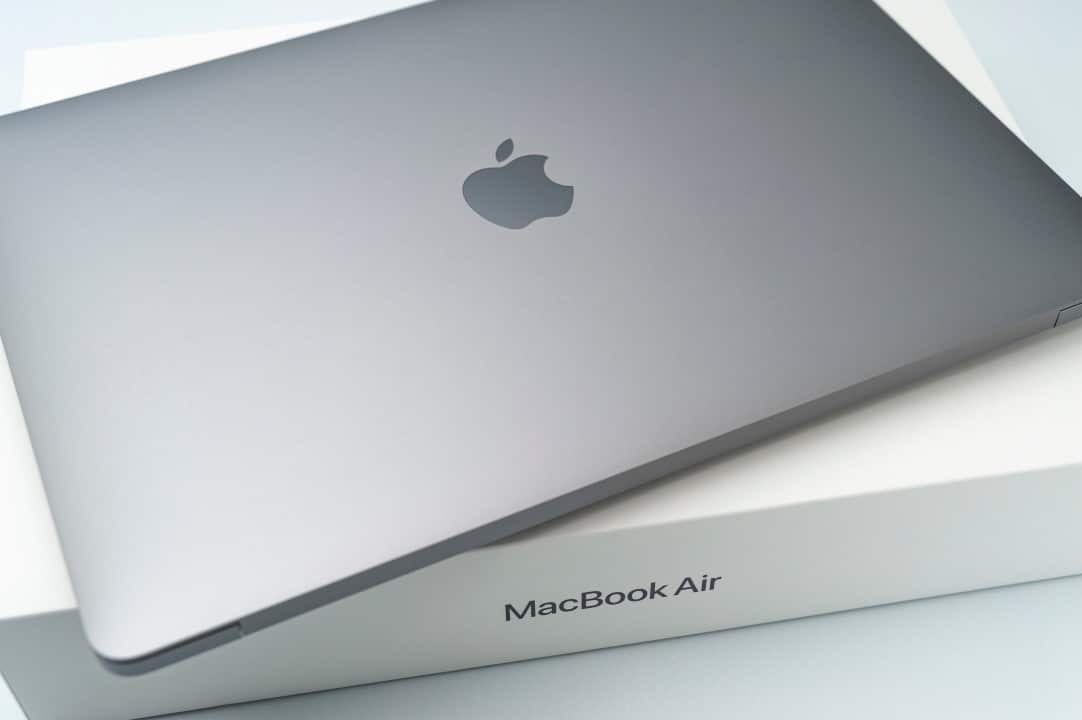
The strategy reflects an adaptation to global demands for versatile equipment, keeping the brand’s ecosystem accessible to new users while satisfying the loyal customer base that awaits hardware innovations.
Education sector strategy and entry model
One of the main novelties for the period is the introduction of a notebook designed specifically to compete with the low-cost Chromebooks and Windows laptops. With an estimated price of between 700 and 800 dollars, the device aims to attract students and users who want to join the macOS ecosystem without the high investment of traditional models. Para the Brazilian consumer, even with the low cost proposal in dollars, the value still represents a considerable investment, given that the minimum wage in force in 2026 is R$1,621.
| モデル | メインチップ | 画面 | 推定開始価格 (米ドル) | 主な対象者 |
|---|---|---|---|---|
| 低価格MacBook | A18プロ | 13インチ液晶 | 699-899 | 学生と基本的な使い方 |
| MacBook Air | M5 | 13 インチまたは 15 インチ | 999 | プレミアムモバイルユーザー |
| 標準MacBook Pro | M5 プロ/マックス | 14 インチまたは 16 インチのミニ LED | 1999-3499 | 中級者向け |
| MacBook Pro OLED | M6(予定) | 14ンチまたは 16インチのタッチ OLED | 非開示 | 一流のクリエイター |
To make this price range viable, product engineering must adopt simpler solutions, such as an optimized metal chassis and a selection of ports limited to the USB-C standard, leaving aside Thunderbolt technology. Processing will be carried out by the A18 Pro chip, originally developed for the iPhone 16 Pro line, ensuring sufficient performance for browsing, text editing and media consumption, with excellent battery life.
Update of the Air line with M5 processors
The popular MacBook Air will receive its update in the first quarter, maintaining the thin and light design that characterizes the series, but with substantial internal improvements. The 13-inch and 15-inch versions will be equipped with the new M5 chip, which promises to increase CPU performance by up to 15% and deliver a graphics gain of approximately 36% compared to its predecessors.
The focus of this generation remains on the balance between portability and power, with the energy efficiency of the new semiconductors expected to extend battery life, a critical point for mobile professionals and university students. The maintenance of current prices is expected, reinforcing the model as the best cost-benefit option within the brand’s mid-range range.
This update aims to maintain the competitiveness of the Air line compared to premium ultrabooks on the market, offering a machine capable of carrying out complex tasks without compromising the user’s mobility.
Innovations in the Pro line and OLED screens
For the high-performance segment, the company has profound changes in store with the arrival of the M5 Pro and M5 Max chips, manufactured using second-generation 3-nanometer lithography. Previstos towards the end of the year, the new 14-inch and 16-inch MacBook Pro are expected to offer greater transistor density, resulting in faster speeds for 3D rendering and high-resolution video editing.
The big revolution must occur in the visual and interaction experience, as behind-the-scenes information indicates that Apple will finally adopt OLED panels in its high-end notebooks, replacing the Mini-LED technology. Essa change will ensure infinite contrast and more accurate colors, meeting demand from designers and photographers, as well as speculation about the introduction of touchscreens.
These more advanced models, possibly equipped with an even more powerful processor variant, the M6, will start at $1,999 and can exceed the $3,499 mark at maximum configurations. The integration of artificial intelligence resources through an improved Neural Engine will be the difference to justify the investment in the professional scenario.




