
Apple Watch rivals gain market share with advanced screens and batteries that last weeks on the iOS system

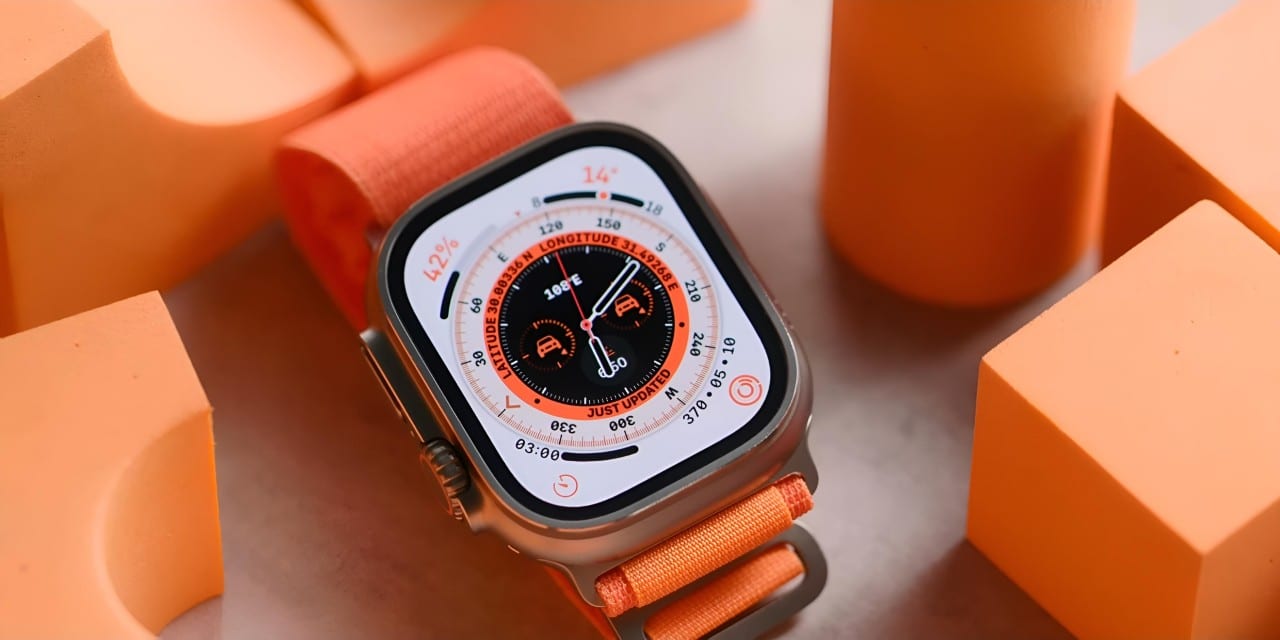
The search for wearable devices that offer efficient integration with the Apple operating system, without the high costs of the brand’s native products, has heated up the technology sector. Fabricantes Asians have consolidated their presence in the national market by offering smart watches that guarantee full compatibility with iOS, in addition to offering health monitoring features and high-resolution screens. The great competitive advantage of these new models lies in their energy autonomy, a point that has historically generated criticism from users of the Cupertino giant.
Brazilian consumers currently encounter a varied spectrum of prices, ranging between R$279 and R$1,636, depending on technical specifications and construction materials. AMOLED technology has become standard even in input devices, ensuring visibility in bright sunlight, while bioimpedance sensors and heart monitoring have been improved to deliver accurate data. Diferente of the models that require daily recharging, the new generation of wearables relies on batteries that can sustain operation for weeks, eliminating anxiety about plugging in.

Compact options offer lightness and extended autonomy
In the segment of smart bracelets and compact watches, models such as the Huawei Band 10 and the Xiaomi Smart Band 10 stand out for their ergonomic design. Construídos With aluminum alloys, these devices weigh approximately 15 grams, making them unnoticeable on the wrist during continuous use, including for sleep monitoring. The 1.47-inch screen offers enough space to read notifications and health metrics, supported by a fast charging system that reaches a full charge in around 45 minutes.
The Xiaomi expanded its line with versions that feature larger 1.72-inch displays and intense brightness of 1,500 nits, making it easier to view outdoors. With a competitive price in the range of R$286, the device maintains water resistance of 5 ATM, allowing use while swimming. Energy efficiency is a strong point, with a 233 mAh battery that promises up to three weeks of moderate use, drastically reducing the frequency of recharges required.
Navigation and calling features on mid-range models
For users who demand independence from their smartphone during physical activities, the market offers options such as the Amazfit Bip 6. Starting at R$549, the model integrates GPS with support for offline maps, ideal for runners and cyclists who prefer to leave their cell phones at home. Sua 1.97-inch AMOLED screen reaches peaks of 2,000 nits, ensuring absolute clarity of information. This model’s battery was designed to support two weeks of operation, solving the problem of rapid drainage common in devices with satellite tracking.
Connectivity via the Bluetooth has also received significant improvements on the Redmi Watch 5. The focus of this device is the quality of voice calls directly from the wrist, using a dual microphone system with noise cancellation to ensure clear conversations. The visual experience is fluid thanks to the 60Hz refresh rate on a 2.07-inch screen, powered by a robust 550 mAh battery ready for intense use.
Extreme durability and advanced health monitoring
At the top of the line of alternatives, the Huawei Watch GT 6 presents itself as a robust solution for hostile environments. IP69 certified, the watch supports high-pressure water jets and extreme temperatures, justifying its price of R$1,636. The solid construction houses an 867 mAh battery, capable of keeping the device active for up to 21 days, making it a frequent choice for adventure sports enthusiasts and long expeditions.
Focused on cardiovascular health, the Huawei Watch Fit 4, with an estimated price of R$1,099, incorporates sensors capable of detecting arrhythmias and monitoring arterial stiffness in real time. The 1.82-inch display has high resolution, making it easy to interpret complex health graphs. Além Furthermore, its energy management system is extremely efficient, allowing just 10 minutes of charging to provide enough energy for a full day of use.



