
Change in vaccination against pneumonia in Japan brings conjugated dose and new cost for the elderly


Japanese health authorities, exemplified by the new guidelines in Oita, implemented a significant update to the national pneumonia immunization program for the elderly population this fiscal year. The new protocol replaces the old 23-valent polysaccharide vaccine with the 20-valent conjugate version, known commercially as Prevnar 20, offering more advanced protection technology. The measure aims to strengthen the immune response of the elderly against the most aggressive strains of the bacteria, establishing a fixed co-participation rate of 3,500 yen for eligible beneficiaries, marking an evolution in the country’s health strategy.
The routine vaccination program is aimed strictly at people who turn 65 during the fiscal year, as well as individuals between the ages of 60 and 64 who have specific medical conditions that compromise cardiac, renal or respiratory function. It is essential to note that the government subsidy is only given once in a lifetime; therefore, those who have already received the previous vaccine under the public regime are not entitled to this new subsidized dose. Dose administration takes place in designated medical institutions, requiring prior scheduling and presentation of documents proving eligibility and residence in the municipality.
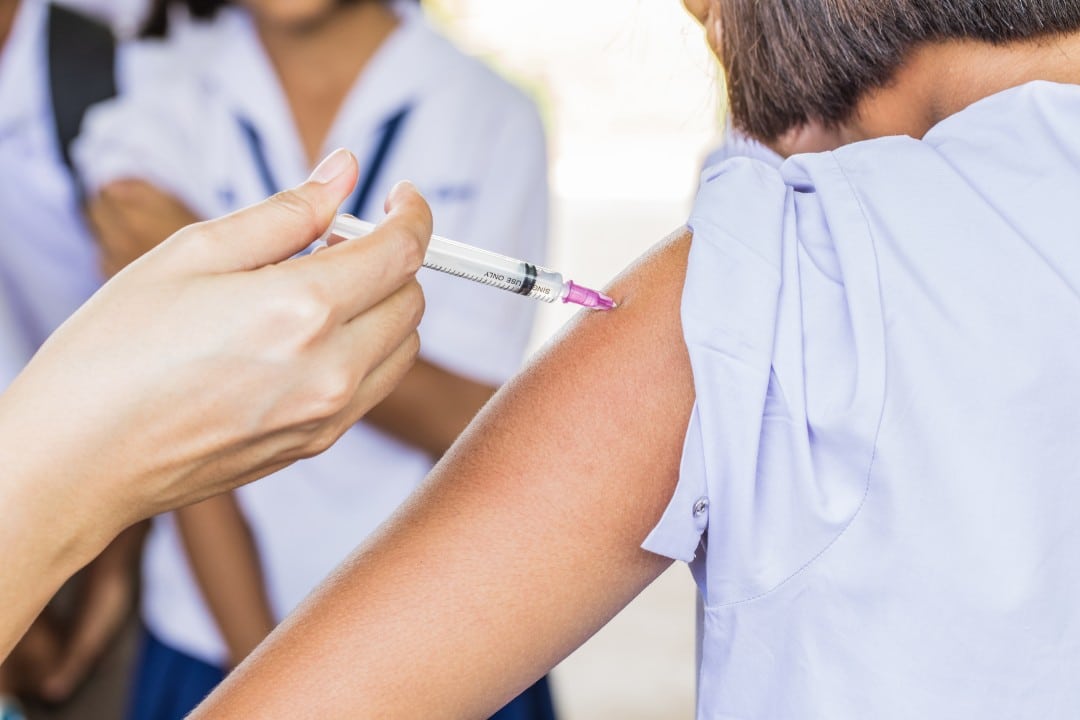
Technological differences and increased effectiveness
The transition to the conjugate vaccine represents a considerable technical advance, as this type of vaccine is capable of generating a more robust and long-lasting immunological memory compared to simple polysaccharide vaccines. Especialistas in infectology explain that the new formulation covers twenty serotypes of pneumococci, responsible for most cases of invasive pneumococcal disease and severe pneumonia in adults. By inducing a more potent antibody response, the vaccine not only protects the vaccinated individual, but also contributes to reducing the circulation of the bacteria in the community, creating an indirect protective barrier.
Clinical studies that supported the decision of Ministério of Saúde of Japão indicate that the conjugate vaccine offers superior defense against bacterial colonization in the upper airways. Diferente of the previous model, which required periodic revaccinations due to the drop in antibody levels, the conjugated technology promotes a more efficient activation of defense cells in the long term. Essa change aligns the Japanese calendar with the most modern international practices, seeking to reduce hospitalization and mortality rates from respiratory infections in old age.
End of transitional measures and costs
A crucial change to the current system is the end of transitional measures that allowed subsidized vaccination for elderly people in staggered age groups, such as 70, 75 or 80 years old, a common practice in previous years. From now on, the focus is exclusively on the 65-year-old milestone, requiring residents to be aware of their eligibility period so as not to lose the benefit. Caso the deadline is exceeded, the interested party must bear the full cost of the vaccine, which is substantially higher than the co-participation rate of 3,500 yen offered by the government.
The set rate reflects a balance between the higher cost of new pharmaceutical technology and the need to maintain viable public access. Embora the amount may seem like an increase to some compared to past exemptions, it guarantees access to a cutting-edge medicine that prevents severe and costly medical complications. Local authorities reinforce the importance of checking notification cards sent by municipalities and consulting family doctors to clarify doubts about vaccination history and the suitability of the new dose.



