
Classic Pokémon FireRed and LeafGreen arrive on Switch in February with prices and features confirmed

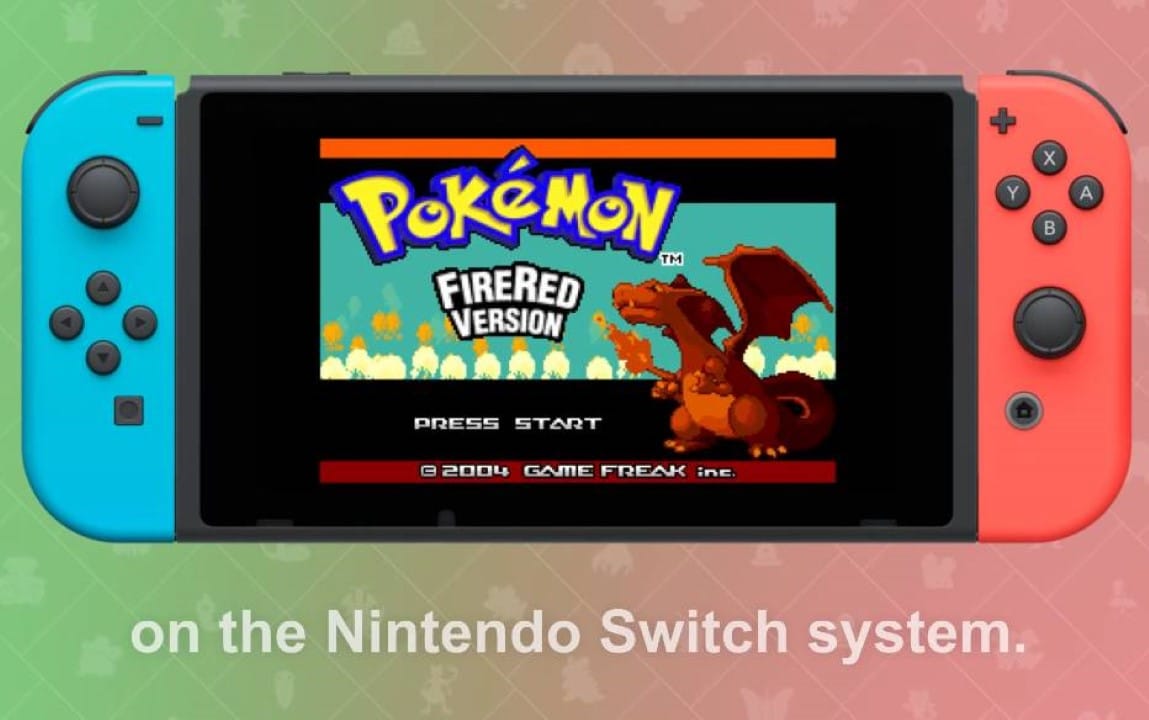
The Pokémon Company has officially returned two of the most acclaimed titles from the Game Boy Advance era to modern Nintendo platforms. The Pokémon FireRed and Pokémon LeafGreen versions will be available for digital purchase exclusively through the Nintendo eShop starting February 27, 2026. The launch will occur immediately following the broadcast of the Pokémon Presents event, scheduled for 6am PST (Pacífico time), coinciding with the global Pokémon Day celebrations.
This strategic move marks the thirtieth anniversary of the franchise, which had its historic beginning in 1996 in Japão with the original games Red and Green. Diferente of other classic titles that were integrated into the subscription service catalog, these versions will be sold as independent products, allowing players to acquire the definitive license for the games.
The remakes, originally released in 2004, maintain the entire structure of the Kanto region with the graphical updates of the time and the inclusion of Ilhas Sevii, expanded content that offers new missions and creatures after the end of the main campaign. Preserving the original experience was a central focus, maintaining the pixel art aesthetic that defined the 32-bit handheld generation.
The suggested price for each version was set at US$19.99 in the North American market. No Brasil, the conversion and adaptation for the local market established the value of R$120.99 per title. Pre-orders are now active on the digital store, allowing users to pre-load the file, which occupies approximately 40 MB of storage space, ensuring immediate access as soon as the servers release the game.
Technical details and exclusive features
The adaptation to hybrid hardware brought specific implementations to guarantee gameplay fidelity. Embora Although there is no support for online multiplayer in the initial release, the games support local wireless communication. Isso allows nearby Nintendo Switch consoles to perform Pokémon exchanges and battles, simulating the experience of the Cabo Link or the Game Boy Advance wireless adapter.
A future update has already been confirmed to integrate the titles with the Pokémon Home system. Essa functionality will be crucial for collectors, as it will allow the transfer of creatures captured in Kanto to the latest games in the series, such as Scarlet and Violet. Compatibility covers both the current model of the Nintendo Switch and its successor, referred to as the Switch 2, running natively without performance losses.
Among the features confirmed for these digital versions, the following stand out:
- Full support for cloud saves via Nintendo Switch Online, allowing automatic backups of progress.
- Full compatibility with Joy-Con and Pro Controller controls, adapted to the original controls.
- Lack of rewind functionality or instant save states common in emulators, aiming to preserve the original challenge.
- Optimized download size of 40 MB per title, facilitating quick installation.
Distribution strategy and physical absence
Nintendo’s decision to release these titles outside of the Nintendo Switch Online service differentiates this release from other portals, such as versions of Ruby and Sapphire. The company opted for a premium release model to maximize revenue during the franchise’s anniversary, justifying the separate purchase as a way to celebrate the Kanto region in a special way.
In Ocidente, distribution will be exclusively digital, which eliminates physical production costs and accelerates simultaneous global availability. In contrast, the Japanese market will receive a special commemorative physical edition. Este package will include download codes inside themed packaging, costing 19,800 yen, and will be available from February 28th on Pokémon Center online, with redemption validity until July 2026 to avoid massive resales.
The community’s initial reception was boosted by previous leaks that listed games on the eShop in multiple languages. The official confirmation validated expectations that the preservation of the classics would be one of the pillars of the 30th anniversary event. Jogadores veterans and new trainers alike now have the opportunity to explore Ash Ketchum’s journey and take on Elite Four with the refined mechanics that FireRed and LeafGreen have introduced.
Content differences and post-game expansion
The duality of versions remains a central element of the experience. Pokémon FireRed focuses on mechanics based on the original Vermelha version, offering easier access to certain wild species. Já the LeafGreen version prioritizes the structure of the Japanese Verde version, with variations in encounters and items available during the adventure.
To complete Pokédex, players are encouraged to swap between versions, looking for exclusives like Ekans or Sandshrew, depending on the initial choice. The game balance has been kept identical to the GBA, with no changes to creature attributes or gym leader difficulty.
The big difference between these remakes in relation to the originals of Game Boy is the inclusion of the Ilhas Sevii. Esta additional area offers a significant extension of the narrative, allowing the capture of Legendaries and the exploration of new maps that did not exist in the first generation. The expansion includes rare items and side quests that delve deeper into the lore of the Pokémon universe, keeping players engaged far beyond the main league.



