
IPhone 15 maintains high performance and relevance in the market with A16 Bionic chip and 48 MP camera

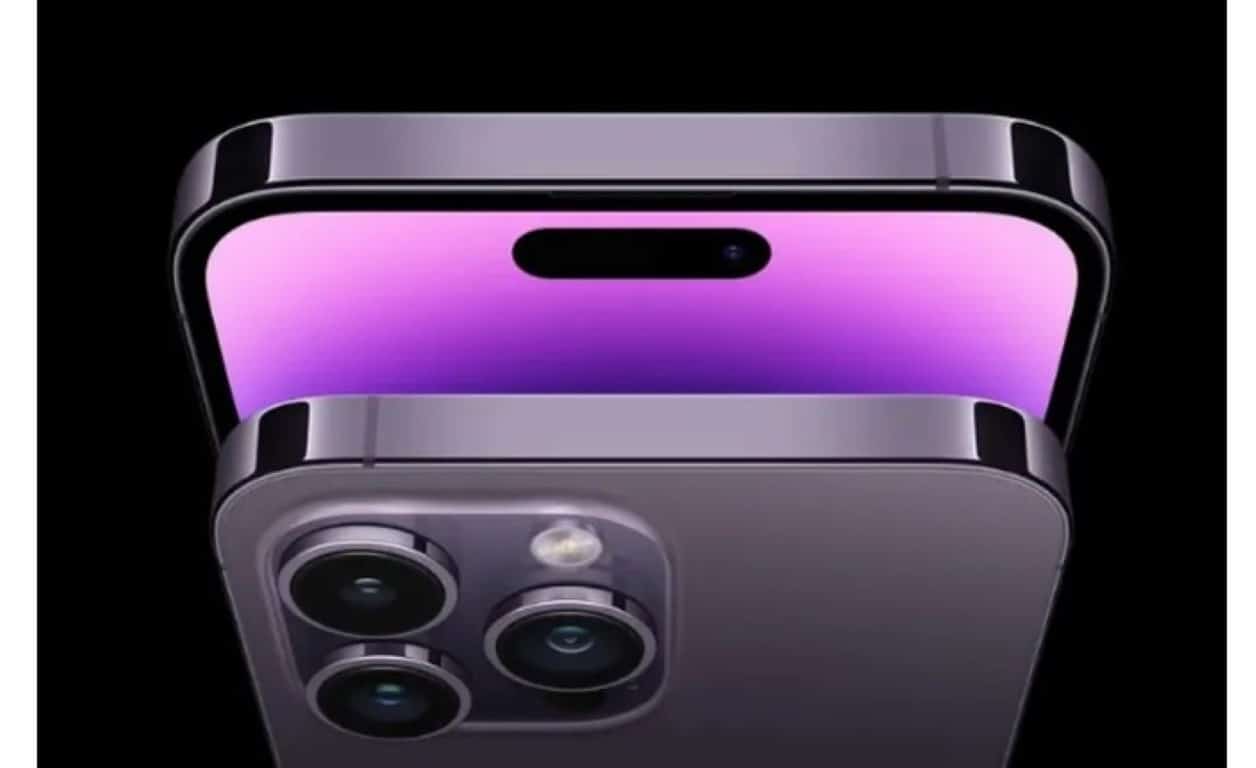
The robust architecture of the Apple smartphone, originally launched in 2023, ensures its competitive position in the face of the most recent launches and current processing demands. With constant operating system updates, the device offers a fluid experience driven by the integration between hardware and software, a hallmark of the North American manufacturer. The adoption of universal connection standards and improvements to the user interface have consolidated the model as a viable alternative for those seeking technological longevity.
Screen and construction specifications
The 6.1-inch Super Retina XDR panel delivers a resolution of 2556 x 1179 pixels, ensuring sufficient pixel density for sharp text and media. OLED technology allows for high contrast ratios and absolute blacks, essential for consuming HDR and Dolby Vision content. The maximum brightness of the display was calibrated to offer adequate visibility even under direct sunlight, surpassing previous generations in this regard.

The frame combines aerospace aluminum with infused glass on the back, resulting in a textured matte finish that minimizes wear marks. On the front, the Ceramic Shield acts as a barrier against accidental impacts, while the IP68 certification protects internal components against immersion in water and dust.
The Dynamic Island replaces the old static notch, transforming the front camera area into an interactive hub for real-time notifications and activities.
A16 Bionic processor power
The heart of the device is the A16 Bionic chip, built on a 4-nanometer lithography that prioritizes energy efficiency without sacrificing raw processing power. The six-core CPU handles complex tasks and multitasking, while the five-core GPU offers expanded memory bandwidth for running graphics-intensive games. The component also integrates a neural engine capable of performing trillions of operations per second, essential for machine learning capabilities.
This local processing capacity speeds up functions such as the Siri’s voice recognition and real-time text transcription, keeping the data on the device. The thermal efficiency of the chip helps ensure that performance remains stable during prolonged periods of intense use, avoiding bottlenecks common in mobile processors.
Camera and capture system
The 48 megapixel main sensor represents a significant leap in capturing details, using the pixel binning technique to optimize light in challenging environments. The system allows for 2x optical zoom through the sensor’s central cutout, offering framing versatility without the need for a physical dedicated telephoto lens. The 12-megapixel ultrawide camera complements the set, ideal for landscapes and architectural photos.
Advanced computing resources like Photonic Engine process images pixel by pixel to improve color and texture fidelity. Night mode automatically activates in low-light scenarios, reducing digital noise.
- 48 MP main sensor with optical stabilization;
- Ação mode for stable videos in motion;
- 4K recording with cinema mode;
- TrueDepth front camera with autofocus;
- Digital quality 2x optical zoom.
Connectivity and energy autonomy
The implementation of the USB-C port has made charging and data transfer universal, allowing the use of cables compatible with other modern electronic devices. The battery is designed to withstand a full day of mixed use, with software optimizations that manage consumption in the background.
Support for 5G networks guarantees browsing and download speeds compatible with current telecommunications infrastructure. Tecnologias as well as Wi-Fi 6 and Bluetooth 5.3 ensure stable connections to accessories and local networks.
Safety features such as accident detection and satellite emergency SOS use internal sensors to provide assistance in critical situations where there is no conventional cell phone signal.




