
Major samurai and ninja releases from Ubisoft and Sony consolidate PlayStation 5 catalog


The video game market has seen a robust consolidation of titles set in the feudal Japão over the last year. The PlayStation 5 served as the main stage for a series of releases that explored the dichotomy between the discipline of samurai and the stealthy tactics of ninjas. Desenvolvedoras Global has invested heavily in historical narratives and improved combat mechanics, meeting a growing public demand for immersive experiences that utilize the full potential of current generation hardware.
Dual Gameplay Innovation
Ubisoft Quebec brought to the market in March one of the most ambitious bets of the genre with a dual protagonist structure in Assassin’s Creed Shadows. The freedom to switch between Naoe and Yasuke allowed players to experiment with radically opposite tactical approaches within the same missions. Enquanto the gameplay with the shinobi required precision and the use of infiltration tools, the samurai offered visceral combat focused on physical strength.
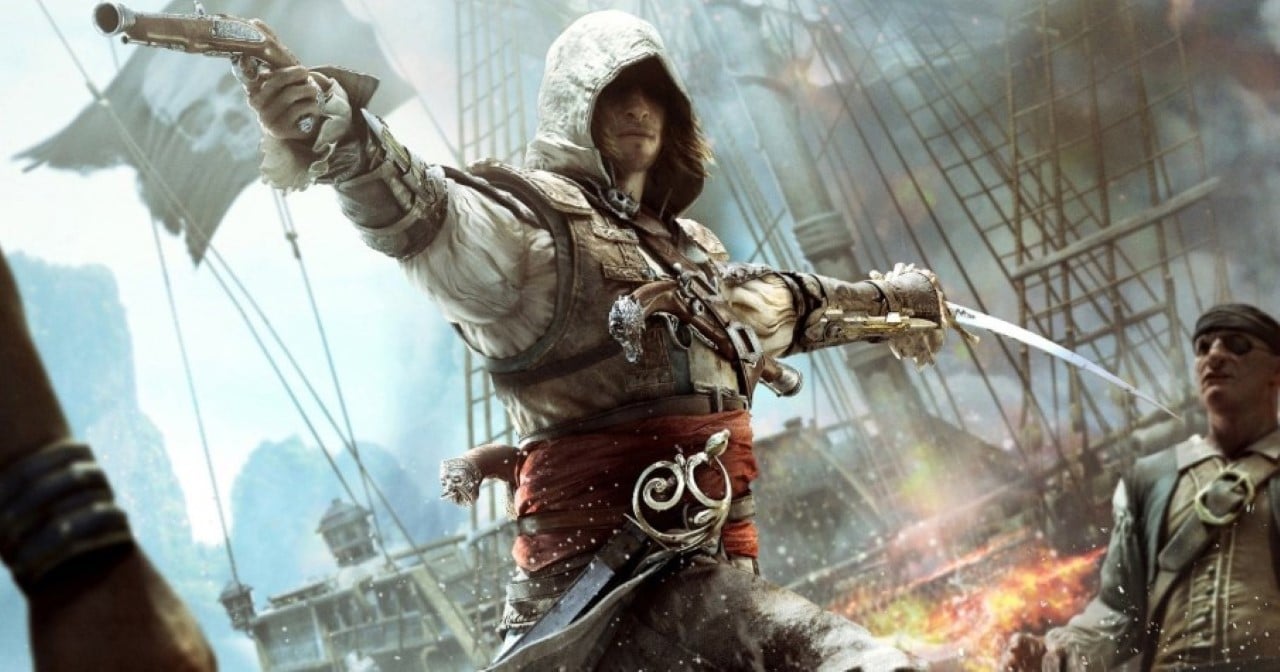
The title was praised by the community due to the detailed recreation of historical environments and the revitalized parkour system, which made navigation through dense scenarios easier. The construction of the open world favored cultural immersion, forcing users to master both impenetrable defense and absolute discretion to overcome the challenges proposed by the narrative.
Console-heavy exclusives
Sucker Punch Productions expanded on the legacy of their previous works with the exclusive release of Ghost of Yōtei in October. The plot set in the icy regions of Hokkaido introduced Atsu, a protagonist driven by revenge, who uses a diverse arsenal including the kusarigama and smoke bombs. The art direction maintained the cinematic standard, with visual modes that emulate classic Japanese cinema.
Exploration mechanics have been deepened to reflect the region’s hostile environment, bringing new challenges to the franchise. The game delved into complex themes of loss and adaptation, forcing players to improvise combat tactics during intense confrontations against multiple enemies in visually striking scenarios.
Return of classic franchises
The return of Ryu Hayabusa in October, the result of the union between Team Ninja and PlatinumGames in Ninja Gaiden 4, reaffirmed the importance of frantic action focusing on extreme mobility and wall running. The title required players to have quick reflexes and complete mastery of aerial combos, maintaining the series’ tradition of high difficulty.
At the same time, the indie and retro segment was served in July by Dotemu and The Game Kitchen with Ninja Gaiden: Ragebound, a pixel art adventure that revived the challenging essence of old platform games. Capcom also participated in the movement in May, modernizing the saga of Jubei Yagyu in Onimusha 2: Samurai’s Destiny, with updated graphics and refined controls that preserved the tense balance between swordplay and survival horror elements.



