
Success in anime and films boosts Sony while PlayStation sales fall in the Japanese market


Grupo Sony presented its consolidated financial results for the interim period of 2025, revealing a profound strategic transformation in its business model that prioritizes the creation and distribution of content. The figures released by the Japanese corporation indicate a substantial increase in operating profit, driven mainly by the music, film and animation sectors, which now form the central pillar of the company’s economic support. Essa transition from a traditional electronics manufacturer to a global entertainment giant reflects years of internal restructuring and acquisitions focused on intellectual property. Enquanto as creative divisions celebrate recurring revenue and expansion in Western markets, the games department faces a complex and challenging landscape, especially on its home turf. The disparity between the success of audiovisual productions and the decline in sales of video game hardware exposes the new dynamics of the technology and leisure market. Analistas of the market point out that Sony’s ability to monetize its digital assets has offset the cyclical fluctuations in console sales.
In the competitive video game scenario, the company observed a worrying reduction in the PlayStation 5’s market share in the Japão, contrasting with the platform’s global performance. Local competition intensified drastically with the consolidation of the new Nintendo hardware, which quickly captured the preference of Japanese consumers through a differentiated value proposition.
The data from the financial report highlights clear trends that define the multinational’s current corporate situation and its immediate challenges:
- The music and film segment recorded a significant increase in sales and operating profits.
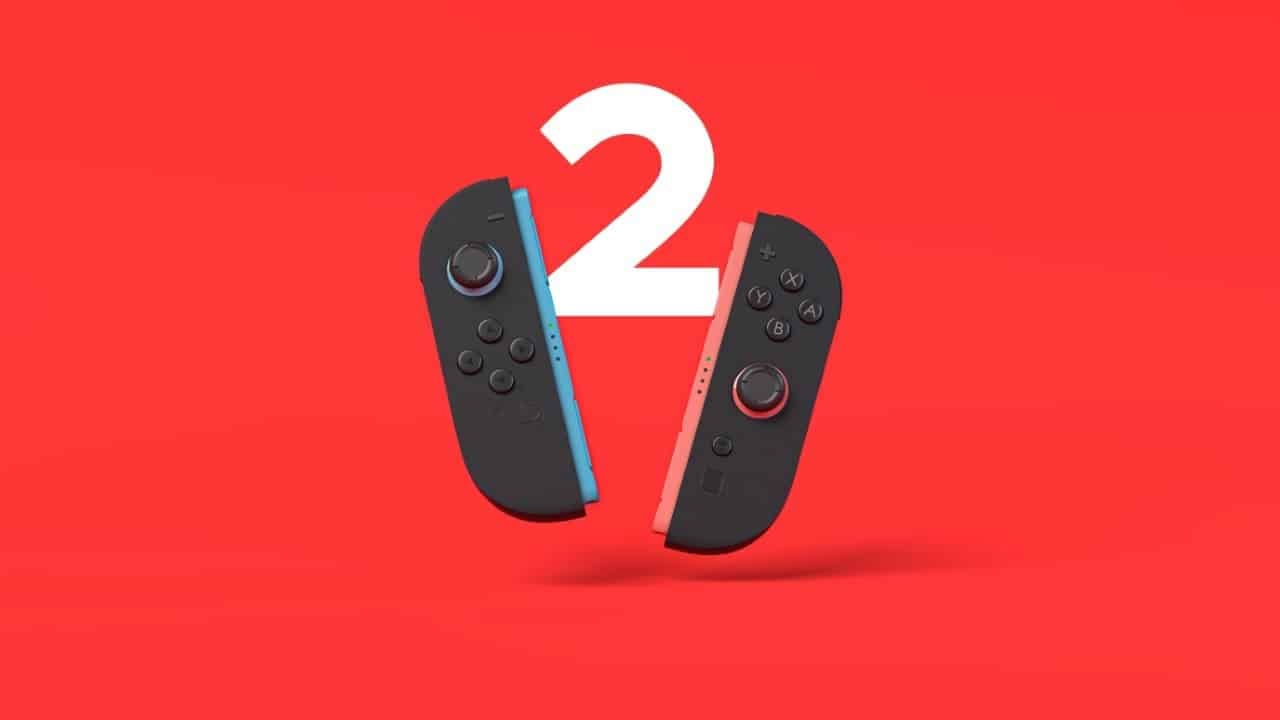
- The Nintendo dominated the Japanese market with the successful launch of the Switch 2.
- The focus on streaming and anime guaranteed the group’s financial stability in the face of the drop in games.
Consolidation as an entertainment giant
The evolution of Grupo Sony from a hardware manufacturer to a company focused essentially on entertainment and digital content became evident in the 2025 results. The priority became the accumulation and management of intellectual properties, allowing the company to generate recurring revenue through licensing, distribution and streaming platforms.
This approach has demonstrated high operational efficiency, as the initial production costs of cinematographic or musical works are spread over time, while revenue continues to flow. Interim results confirmed the success of this transition, with the entertainment segments posting robust sales and rising operating profits, serving as a vital counterbalance to the fluctuations inherent in the electronics hardware market.
Performance of the music and visual sector
Sony’s music segment recorded significant growth in both sales volume and operating profit during the second quarter of 2025. The advance was mainly driven by revenues from audio streaming services and the box office success of audiovisual productions. The subsidiary Aniplex played a crucial role in this scenario, launching titles based on popular franchises that managed to break cultural barriers and reach massive audiences outside of Ásia.
The penetration of Japanese animation in Western markets, notably in the Estados Unidos, accelerated considerably in the post-pandemic period. Younger generations, with greater consumption power and interest in Japanese pop culture, have been flocking to cinemas to watch anime releases, generating a revenue stream that supports Sony’s consolidated profit. Esse phenomenon of globalization of Japanese content has been fundamental in offsetting negative variations in other areas of the conglomerate.
Difficulties faced by the PlayStation 5
In contrast to the success of passive entertainment, the gaming and network services sector faced marked instabilities throughout 2025. While software sales have shown occasional increases in some quarters, PlayStation 5 hardware has seen its market share suffer a drastic drop in Japão. The company tried to react by adjusting the prices of some editions of the console, specifically the digital version, in an attempt to maintain competitiveness against aggressive rivals.
Globally, the PlayStation 5 has shipped more than 80 million units, maintaining a solid installed base. However, the loss of ground in the domestic market raises questions about the brand’s local strategy. Fatores, as well as the high price of hardware and a catalog of games perceived as aimed at a more adult and westernized audience, contributed to the alienation of part of Japanese consumers, who historically value different experiences from those prioritized by Sony in this generation.
Supremacy of Nintendo and the new console
The Nintendo reaffirmed its hegemony in the Japanese console market during the year 2025, driven by the launch and robust sales of the Switch 2. The new device hit stores in the middle of the year and exceeded initial expectations, recording millions of units sold worldwide in just a few months. No Japão, consumer preference for portable devices and a catalog of familiar and accessible games largely favored the Switch line.
Nintendo’s strategy of maintaining competitive prices and focusing on casual games has proven extremely effective in shielding its market against competition from high-performance consoles like the PS5 and Xbox, the latter recording only marginal numbers in the region. Market analysis indicates that this trend of dominance by Nintendo has persisted for years and has deepened with the arrival of the new generation of hardware, creating a difficult barrier for Sony to overcome in the short term.
Strategies for recovery and future
Given this mixed scenario, Sony plans to reinforce its gaming division with annual releases of major single-player titles, aiming to maintain the engagement of the PlayStation user base. The growth in the number of active users on the company’s network suggests that, despite difficulties in selling hardware on the Japão, the digital ecosystem remains healthy. The focus on network services and the sale of digital software remains the main bet to sustain global gaming revenues.
At the same time, the integration of digital content and efficiency in the distribution of music and video should continue to be the drivers of growth. Data accumulation and intelligent intellectual property management allow Sony to operate with optimized profit margins. The balance between the entertainment segments and the search for stability in the games division define the company’s roadmap for the coming years, remaining a dominant force in global pop culture.




