
Toyota recommends switching to other hybrids to overcome the waiting list for the new RAV4 on the market

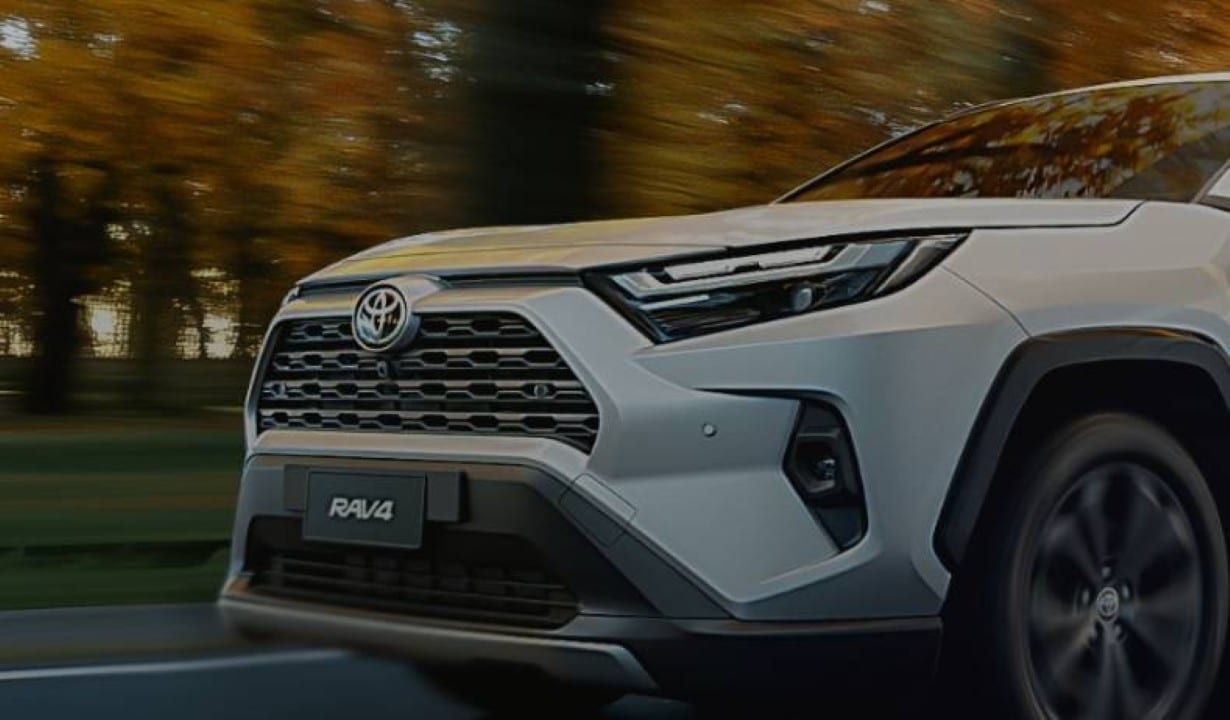
The global automotive industry continues to face complex logistical challenges that directly impact the timing of high-demand vehicle launches. Diante the persistent shortage of essential electronic components and high-voltage batteries, the Japanese automaker adopted a commercial strategy to mitigate the frustration of consumers awaiting the new generation of the RAV4 SUV. The company started to officially recommend migration to other electrified models of the brand that are immediately available, aiming to maintain customer loyalty and avoid long periods of inactivity in sales.
Strategic options for immediate delivery
To overcome the lack of stocks of the SUV scheduled for the current market cycle, the manufacturer highlights two main replacements that share the renowned global TNGA architecture: the Corolla Cross and the Camry sedan. The guidance is based on the analysis that both models offer equivalent hybrid propulsion systems and advanced safety technologies, meeting the technical requirements sought by RAV4 customers. The aim is to offer a practical solution for those who need to change their vehicle now, instead of waiting for an uncertain delivery time.
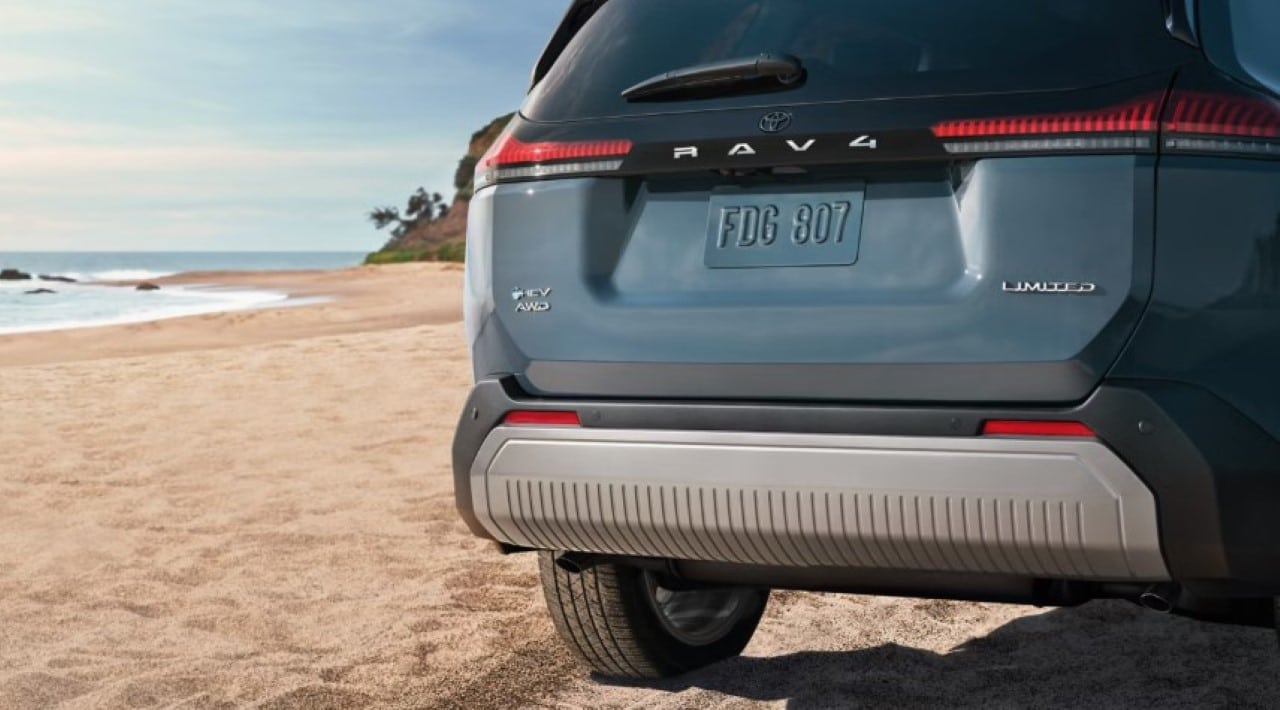
The decision to promote internal alternatives reflects crisis management focused on the user experience. By directing demand to production lines that operate with greater stability, the brand is able to ensure that buyers have access to cutting-edge technologies without suffering from delays resulting from the lack of specific semiconductors that equip the new generation of SUV. The Corolla Cross appears as the natural option for those looking for a crossover format, while the Camry is positioned for those who prioritize comfort and energy efficiency on long journeys.
Supply chain scenario
The obstacles in manufacturing the new model are not isolated, but the result of demand that exceeds the supply capacity of high-tech parts. The new-generation hybrid system requires control modules and chips that are in short supply on the global market, disproportionately affecting newer releases that rely on updated electronic architectures.
The automaker clarifies that the priority is to guarantee quality and reliability, preferring to adjust the sales mix rather than delivering incomplete products or postponing deadlines indefinitely.
Competitive advantages of the suggested models
Market experts point out that acceptance of alternatives suggested by consumers also involves financial analysis. With global inflation putting pressure on production costs, securing a vehicle available at the current price may be more advantageous than joining a waiting list subject to future adjustments. Além Furthermore, maintaining the resale value of the brand’s hybrid models serves as a solid argument to convince customers to make the immediate exchange.
The replacement strategy focuses on fundamental points that make the exchange advantageous for the end consumer, highlighting specific characteristics that validate the choice of available models:
– Real Disponibilidade: Contrary to the uncertainties surrounding the launch of the new SUV, alternative models have stabilized production chains and ready delivery in several regions.
– Tecnologia proven: The hybrid system present in the Corolla Cross and Camry has already been extensively tested and validated, ensuring fuel efficiency and battery durability.
– Proteção of capital: The immediate acquisition avoids exposure to exchange rate volatility and the increase in raw material costs, factors that should make the new generation of utility vehicles more expensive when they reach stores.



