The technology giant has implemented a rigorous update to its automotive operating systems, aiming to eliminate visual distractions for drivers. The new technical guideline determines that any video content is automatically blocked as soon as the vehicle starts moving, keeping only the audio functions active. Essa measure seeks to align the cars’ digital interface with international traffic safety standards, drastically reducing the risk of accidents caused by the driver’s attention being diverted to the dashboard screens.
Integration with vehicle sensors
The operation of the lock is based on direct communication between the software and the car’s electronic control unit. The system constantly monitors telemetry data, such as gear position, handbrake activation and speed via GPS. Quando the sensors detect that the car has left the parking position or is moving, the graphical interface changes instantly.
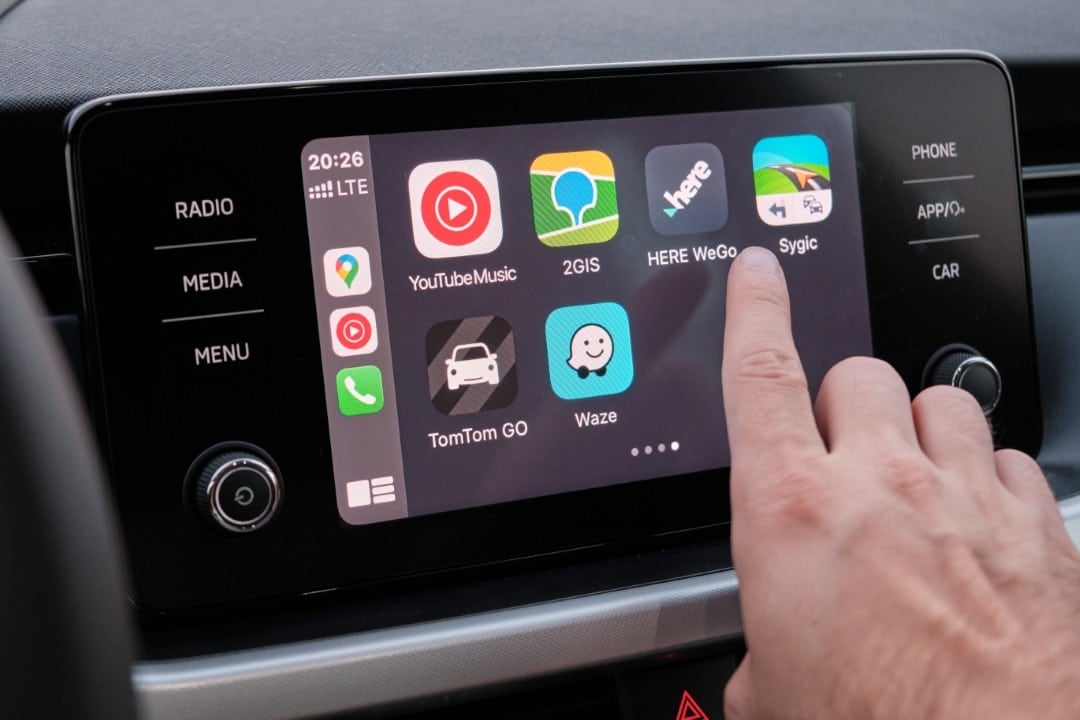
In this scenario, the display of films, series or video clips is replaced by a neutral screen or the cover of the music album, ensuring that the sound entertainment continues without interruptions. The system’s priority becomes the display of navigation maps and essential controls, hiding any dynamic visual element that does not contribute to safe driving.
New rules for app developers
To ensure the effectiveness of this security tool, new protocols were established for creating applications compatible with the automotive ecosystem. Developers are now required to correctly classify media type in their code, using specific metadata that differentiates video streams from static audio interfaces.
If an application does not comply with these digital labels or tries to circumvent the restriction, the operating system will intervene autonomously. The software takes control and imposes security mode, cutting the video signal regardless of the app’s configuration, ensuring that no programming errors put the vehicle’s occupants at risk.
Impact on global road safety
The decision reflects a growing trend in the automotive and technology industries to use automation to mitigate human error. Estudos of traffic indicate that looking away from the road for just a few seconds exponentially increases the likelihood of serious collisions. By removing visual temptation from the center stack, the technology acts as a passive barrier against recklessness.
Traffic safety experts point out that the cognitive load required to process moving scenes on a screen competes directly with the attention required for the road. The limitation imposed by the system reinforces the hierarchy of attention within the cabin, where visibility of the road and quick response to unforeseen events must always prevail over digital entertainment.