
Audi details strategy to enter Formula 1 with exclusive engine and full acquisition of Sauber

The entry of major manufacturers onto the scene of the main category of world motorsport marks a new chapter in the history of high-speed competitions. The confirmation that one of the most prestigious brands in Alemanha will join the grid brings with it a significant change in the power dynamics and technological development of the sport. The project, which had been speculated and planned behind the scenes, now takes on definitive shape with the official presentation of its technical and operational guidelines.
The central focus of this new venture lies in building its own identity, moving away from the model of just supplying engines or stamping brands on third-party chassis. The strategy adopted involves total control of the operation, from aerodynamic design to the complex engineering of the power units. Essa approach aims to ensure that each vehicle component is perfectly integrated, following the standards of excellence that the manufacturer has demonstrated in other motorsport categories over the decades.
With the complete acquisition of the Sauber structure, the operation gains a solid and experienced base, allowing the focus to turn to innovation and adaptation to the new rules that will govern the competition. The choice not to start a team from scratch, but rather to transform an existing structure, demonstrates a pragmatism focused on medium and long-term results. The fusion between German engineering and Swiss expertise promises to create a robust competitor capable of challenging established hegemonies.
The reveal of the detailed plans comes at a crucial time as the category seeks to expand its global audience and reinforce its commitment to sustainability. The new team will not only fill a vacancy on the grid, but will bring with it the full weight of an automotive conglomerate that sees the tracks as the ideal laboratory for its electrification and energy efficiency technologies. The commitment made goes beyond participation; it is a declaration of intent to win at the highest level.
Official presentation and visual identity of the project
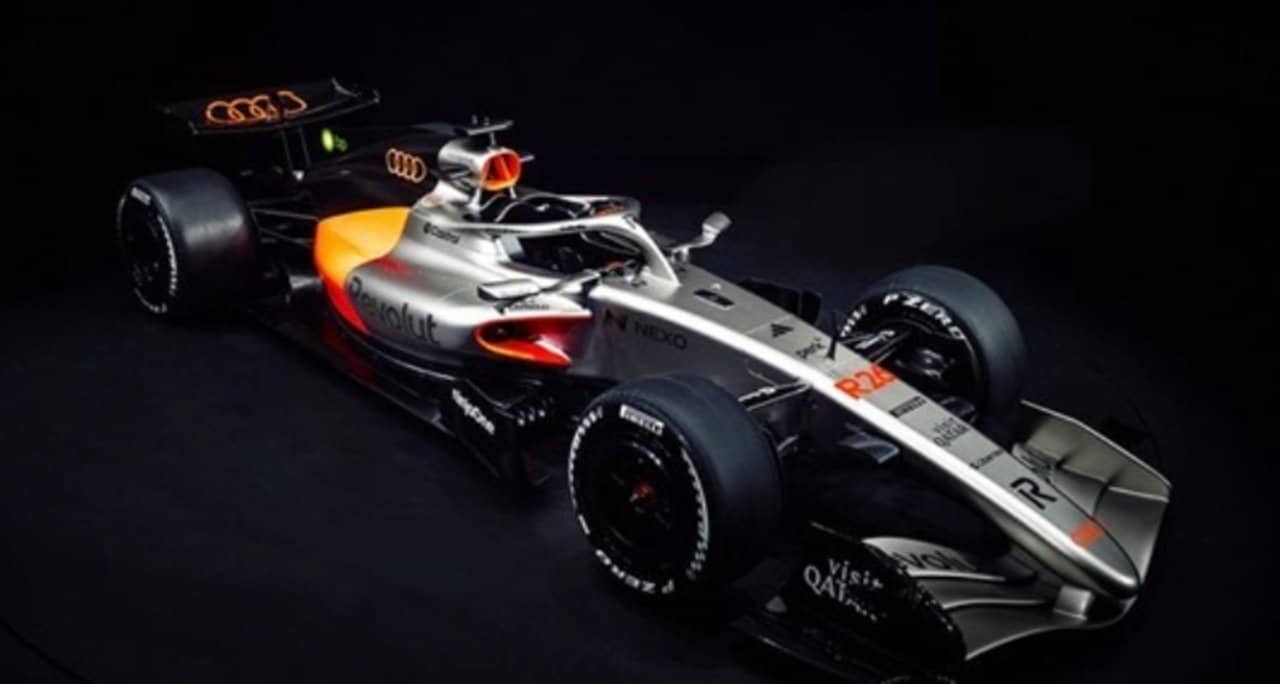
The event held in Berlim served as the stage for the first physical demonstration of what will be the team’s future car. Batizado provisionally coded R26, the model presented features a paint job that goes beyond the conventional, using tones that refer to the brand’s history on the track, but with a modern and aggressive look. The choice of the German capital for this launch was not random, symbolizing the return of a German force dedicated entirely to the factory project in the maximum category.
The vehicle’s aesthetics reflect the company’s philosophy: functionality combined with a striking design. The vibrant color details on a dark base not only serve for visual differentiation in television broadcasts, but also to demarcate the new team’s territory as a single entity. The reaction from the public and the specialized media was immediate, highlighting the seriousness with which the design was treated, indicating that the car was born with the ambition of becoming a visual icon on the tracks.
In addition to painting, preliminary aerodynamic aspects were discussed, showing that work in the wind tunnel is already at an advanced stage. Embora the show car does not reveal all the technical secrets that will be in the real competition model, it serves as a manifesto of the engineering direction being followed. Integration between the chassis and power unit is the focal point, with the bodywork being sculpted to maximize the efficiency of the new hybrid engine being developed.
Technical development and infrastructure in Neuburg
Unlike other teams that operate on a split basis or rely on external suppliers, the decision to focus engine development on Neuburg an der Donau is strategic. The Centro of Competência of Motorsport has been expanded and modernized specifically for this challenge. State-of-the-art Instalações, including dynamic testbeds and advanced simulators, have been implemented to ensure the power unit is ready to race from day one.
The technical regulation, which imposes greater dependence on electrical energy and the use of sustainable fuels, perfectly aligns with the manufacturer’s expertise. The experience gained in endurance competitions and in the Fórmula E is being channeled into the development of the Fórmula 1 hybrid system.
Autonomy in powertrain development allows design freedom that engine customers do not have. The ability to tailor the engine, battery and energy recovery systems to the specific needs of the chassis creates a potential competitive advantage. Este level of vertical integration is seen as essential to fighting for championships, replicating the successful model of other factory teams that have dominated the recent hybrid era.
Still regarding infrastructure, communication between the engine base at Alemanha and the chassis factory at Suíça is maintained through real-time data systems. Essa digital bridge allows updates and fixes to be implemented quickly, reducing the time between virtual design and physical part production. Logistical and operational efficiency is treated with the same priority as engine power, aiming for flawless operation on race weekends.
Organizational structure and definition of pilots
The transformation of Sauber into a factory team involves a profound restructuring of personnel and processes. Team management is being reinforced with experienced names from the paddock, ensuring that the transition is smooth, but assertive. Corporate culture is being shaped to reflect the brand’s winning mentality, demanding precision and performance in every department, from mechanics to marketing.
In the cockpit, the bet on Nico Hülkenberg as one of the main pilots signals the search for consistency and technical experience. The German driver, known for his development ability and precise feedback, is seen as a key player in accelerating the car’s evolution in the early stages. Sua familiarity with the Hinwil-based team and their nationality create a natural synergy with the project, also serving as a strong marketing element for the automaker’s domestic market.
The definition of the complete driver duo is treated with caution, seeking the ideal balance between youth and experience. The driver market is being closely monitored, with the team looking for talent that can grow alongside the project in the long term. Driving stability is considered vital to providing the consistent data needed for the continued development of the car and power unit.
Impact on new category regulations
The official entry coincides with one of the biggest regulatory changes in the history of the competition. The new rules, focused on simplifying hybrid technology while increasing its relevance for street cars, were a decisive factor in the board’s “yes.” The possibility of developing technologies that will be transferred to mass production vehicles justifies the billion-dollar investment required to set up an Fórmula 1 operation.
The category, in turn, benefits enormously from the presence of yet another global automaker. Isso validates the direction taken by regulators in favor of sustainability and technological innovation. Competition between major automotive manufacturers generates renewed public interest and attracts new sponsors, strengthening the sport’s economic ecosystem. The rivalry on the tracks promises to intensify, with battles not just between drivers, but between different engineering philosophies.
Finally, the long-term commitment established demonstrates confidence in the financial health and growing popularity of Fórmula 1. Expansion into markets such as Estados Unidos and consolidation into Ásia and Europa provide an unparalleled visibility platform. Para the brand with the four rings, success on the track will be the definitive showcase of its technological capacity, “Vorsprung durch Technik”, now applied to the most competitive environment on the planet.





