
Fiat bets on seven-seater SUV with hybrid technology to compete in the family car market

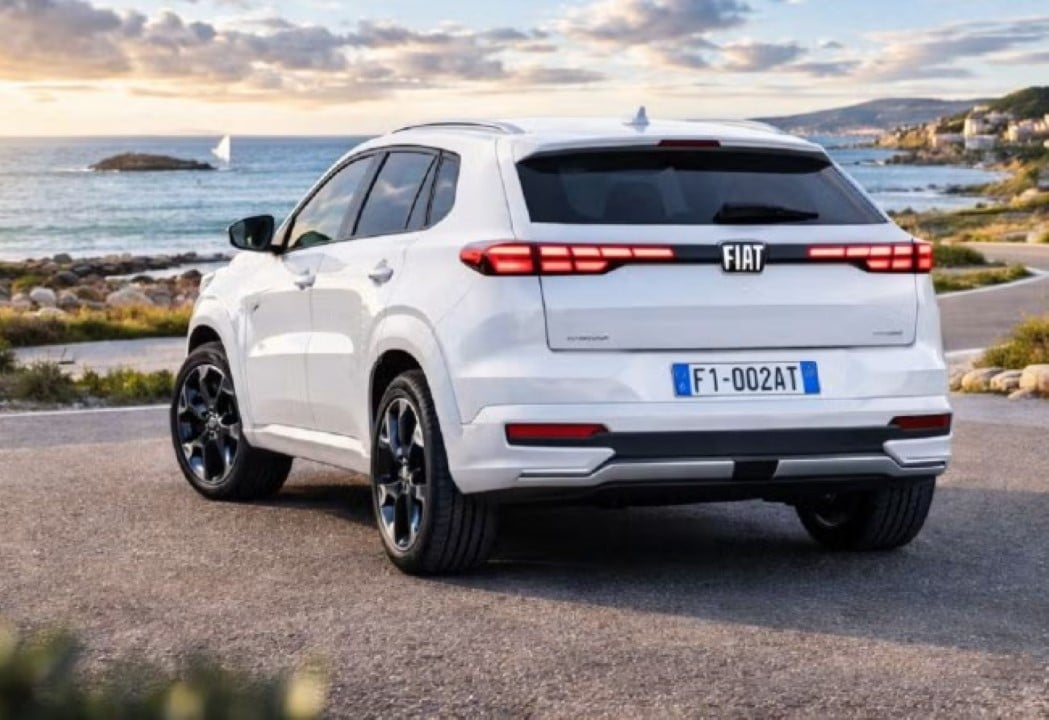
The Italian automaker’s strategy for the next semester involves a direct offensive in the commercial vehicle segment, with a focus on expanding passenger transport capacity and energy efficiency. The project uses the Smart Car global platform from the Stellantis group, which allows architecture to be shared with recent models from partner brands to optimize industrial costs and ensure agility on the assembly line.
Scheduled to be launched in the second half of the year, the car should measure between 4.4 and 4.5 meters in length, prioritizing the use of internal space rather than sporty silhouettes that compromise occupant comfort. The proposal is to offer a rational alternative in a market saturated with high-cost options, focusing on accessibility and functionality for everyday life.

The great competitive advantage of this launch lies in the seven-seat configuration, filling an important gap for large families looking for practicality without the need to migrate to traditional minivans or large SUVs. The planning followed a modular design philosophy that eliminates superfluous elements, maintaining the accessible value proposition that has historically defined the manufacturer’s operations.
Functional design and use of space
The vehicle’s aesthetics move away from traditional curved lines and adopt a geometric approach, inspired by concepts that value robustness and direct visual simplicity. The exterior design features square shapes and straight lines to create a distinct appearance, while the front should incorporate LED optical clusters with pixelated elements, giving the model a retro-futuristic and technological identity.
Inside, the absolute priority is ergonomics and ease of use for the driver and passengers, with a high roof that increases the feeling of space and thermal comfort. The finishing materials were selected for their durability and ease of cleaning, reinforcing the car’s utilitarian vocation and avoiding excesses that make the final product more expensive without adding practical value to everyday life.
To emphasize the mixed use of the vehicle, both in urban traffic and leisure travel, practical elements were incorporated into the project. The functional roof allows additional loads to be transported safely, while moldings on the wheel arches offer extra protection against debris. Replacing chrome with recycled and sustainable materials is also part of the minimalist approach that conveys resistance.
Motorization and energy efficiency
The mechanical package relies on mild hybridization technology (MHEV) to balance performance and fuel economy, using a 48-volt system coupled to the combustion engine to reduce pollutant emissions. The 1.2 PureTech engine must work in conjunction with an auxiliary electric motor integrated into the dual-clutch transmission, allowing low-speed maneuvering and driving in traffic jams using only electrical energy.
Fully electric versions are also part of the strategic planning to serve markets with strict environmental standards and consumers seeking zero emissions. Essas variants will be equipped with lithium iron phosphate (LFP) batteries, chosen for the ideal balance between production cost and long-term durability, ensuring reduced maintenance and superior energy efficiency.
Market positioning and production
Production must be allocated to strategically positioned factories, such as Sérvia or Marrocos, ensuring a lean operating cost structure that is reflected in the final price to the consumer. The initial estimate for the European market is around 20 thousand euros for the hybrid versions, an aggressive value considering the size of the vehicle and the capacity for seven occupants.
Known behind the scenes as a robust evolution of the Panda line, the model symbolizes the brand’s transition to an electrified future without abandoning the DNA of creating popular and creative cars. The combination of generous space, efficient motorization and affordable price positions the launch as one of the main bets for the rational consumer looking for a safe and connected means of transport.



