
India isolates hundreds after confirmation of Nipah virus and health agencies step up monitoring

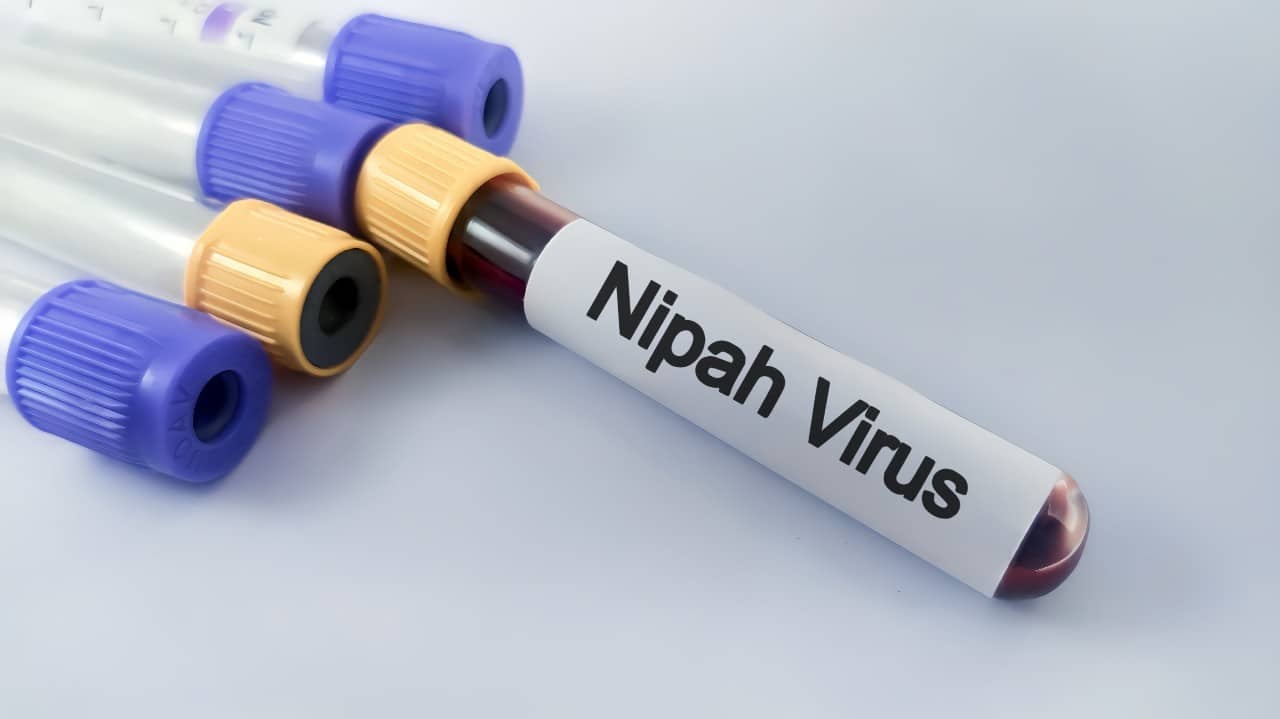
Health authorities in the state of Bengala Ocidental validated positive diagnoses for a serious viral infection in mid-January, confirming the emergence of a new source of contamination in the region. The situation provoked an immediate response from control bodies due to the profile of those infected, which includes medical professionals, suggesting the occurrence of direct transmission within the hospital environment. The scenario required the implementation of strict containment measures, resulting in the isolation of more than a hundred people who had close contact with the initial patients.
Intensive monitoring was established to monitor the clinical evolution of the isolates and prevent the spread of the pathogen to other locations. The severity of the outbreak attracted the attention of global agencies, as the infectious agent has a fatality rate that historically ranges between 40% and 75%, varying depending on the viral strain and the medical infrastructure available for support. Organização Mundial of Saúde monitors developments and assists in coordinating epidemiological lockdown strategies.

Hospitals located in the affected region activated maximum security protocols to protect both patients and care teams. Visits were strictly limited and the use of personal protective equipment was expanded, becoming mandatory for all clinical sectors. The transmission of the virus, which has fruit bats from the Pteropodidae family as its natural reservoir, presents complex logistical challenges for control, especially due to its ability to spread between humans through bodily fluids and respiratory droplets.
The absence of a licensed vaccine or specific pharmacological treatments to combat the infection makes the scenario even more delicate. Atualmente, the medical focus is restricted to clinical support to alleviate symptoms and maintain patients’ vital functions. Especialistas in infectious diseases work tirelessly to map the chain of transmission and prevent the outbreak from crossing state borders, while airports in several Asian countries have raised the alert level for passengers arriving from Índia.
Contagion dynamics in Calcutá
Epidemiological investigations pointed to a medical center in Calcutá as the epicenter of this new contamination event. The initial alert occurred when two nurses working in the unit suddenly developed acute encephalitis, accompanied by severe respiratory failure. The rapid and aggressive evolution of symptoms generated immediate suspicions among surveillance teams, which were later confirmed by specific laboratory tests.
After identifying these primary cases, health authorities expanded testing to all patients and staff who visited the affected wards during the risk period. Esse coordinated effort resulted in the confirmation of five active infections, including both the care team and patients who shared the same environment. Immediate isolation of these individuals is considered the most critical measure to interrupt the cycle of secondary transmission and protect the external community.
Transmission mechanisms and vectors
The natural cycle of the virus mainly involves bats known as flying foxes. Infection in humans usually occurs accidentally, through direct contact with excrement, saliva or urine from these animals. The consumption of fruits partially eaten by bats or contaminated raw palm sap are the classic routes of introducing the virus into human communities, requiring increased attention to food hygiene.
In addition to the wild vector, domestic animals such as pigs can act as intermediate hosts, amplifying the viral load and facilitating the jump to humans. In previous episodes recorded in Ásia, pig farms were identified as critical points of spread, requiring the sacrifice of thousands of animals to contain the spread of the disease. Animal health surveillance therefore remains an essential pillar in preventing new outbreaks.
Interpersonal transmission, however, is the factor that most concerns hospital authorities in the current context. Unprotected contact with secretions from infected patients, whether saliva, urine or droplets coughed up, creates a high risk for family members and healthcare professionals. Physical proximity without adequate barriers turns medical wards into potential outbreaks of spread, requiring absolute rigor in biosafety procedures.
Clinical signs and worsening of the condition
The incubation period can vary significantly, generally appearing between 4 and 14 days after exposure to the infectious agent. The initial symptoms are non-specific and resemble a strong flu, including high fever, intense muscle pain and persistent headache. Essa generic presentation often makes early diagnosis difficult, allowing the patient to circulate and transmit the virus before being properly isolated.
As the infection progresses, the clinical picture tends to worsen rapidly. Muitos patients report dizziness, disorientation and signs of respiratory compromise, such as intense coughing and dyspnea. In a significant portion of cases, the virus reaches the central nervous system, causing acute inflammation in the brain known as encephalitis, which represents the most critical phase of the disease.
The neurological phase can lead to drastic changes in the level of consciousness. Pacientes can progress from a state of mental confusion and drowsiness to a deep coma within 24 to 48 hours. The combination of respiratory failure and neurological damage is the main cause of the high mortality associated with Nipah, making intensive support vital for the survival of those infected.
Containment and response protocols
The Indian government has mobilized task forces to operate in risk areas, prioritizing the active search for suspected cases. The strategy is based on the strict isolation of symptomatic patients and the preventive quarantine of asymptomatic contacts. Reference Laboratórios operate on an urgent basis to process samples and provide rapid diagnoses, allowing agile decision-making by field teams.
Awareness campaigns were launched to alert the local population about the dangers of consuming fruit that had fallen on the ground or that showed signs of animal bites. Correct food hygiene and frequent hand washing are simple but effective measures that are being widely publicized to reduce the risk of primary contamination from the environment.
In hospitals, team training for the safe management of infected patients was intensified. The objective is to ensure that no healthcare professional is exposed to the virus due to failure to use protective equipment or inadequate biological waste disposal procedures. The safety of frontline workers is critical to maintaining the health system’s responsiveness.
Border surveillance and global risk
The repercussions of the outbreak went beyond the borders of Índia, leading neighboring nations and trading partners to adopt defensive postures. China and Emirados Árabes Unidos, for example, reinforced health protocols in their international terminals, with temperature checks and health questionnaires for travelers from affected areas, aiming to shield their territories.
Organização Mundial of Saúde keeps Nipah on the list of priority diseases for research and development, given its epidemic potential. The entity facilitates the exchange of technical information between countries to ensure that the best containment practices are applied globally, minimizing the risk of a major health emergency.
Monitoring in Brazilian territory
In Brasil, Ministério of Saúde continues to follow the international scene through Centro of Informações Estratégicas in Vigilância in Até At the moment, there is no record of the Nipah virus circulating in the country. Embora Brazilian fauna has the presence of fruit bats, the species that host this specific variant of the virus are endemic to Sul and Sudeste Asiático.
The risk of introducing the disease into national territory is considered low, but not zero, depending fundamentally on the flow of international travelers. Authorities recommend that Brazilians returning from risk areas remain alert for flu-like or neurological symptoms for up to two weeks after arrival and seek immediate medical attention, informing their travel history.
Therapeutic and scientific perspectives
The lack of proven antivirals against Nipah drives the scientific race in search of solutions. Atualmente, treatment consists of intensive supportive measures, such as mechanical ventilation and seizure control. However, research with monoclonal antibodies has demonstrated promising results in experimental phases and may represent future hope for the clinical management of the infection.
Vaccine development is also advancing, with several candidates in clinical testing stages, supported by international consortia such as CEPI (Coalition for Epidemic Preparedness Innovations). The objective is to create a preventive arsenal that can be used quickly in the event of larger outbreaks or a possible adaptation of the virus that further facilitates human transmission.



