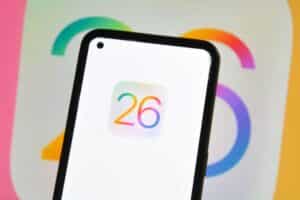
IPhone users gain freedom to change clock dimensions on the home screen with new update

Apple has implemented a significant change to the interface of its mobile devices, now allowing smartphone owners to directly adjust the size of the clock displayed on the lock screen. The feature, integrated into the iOS 26 operating system, eliminates the need for third-party applications to perform this aesthetic and functional modification, offering much more granular control over the device’s appearance.
This update responds to a long-standing community demand for greater flexibility in the user interface, which has historically maintained fixed and standardized elements. With the new tool, the operating system adapts dynamically, ensuring that other visual elements, such as widgets and notifications, automatically reorganize to avoid overlaps and maintain the visual harmony of the screen.

New personalization dynamics
The change process was designed to be intuitive and accessible, working directly through the lock screen’s editing mode. By pressing the screen and selecting the customize option, the user can touch the clock and use resizing handles to increase or decrease the time display, creating layouts that range from minimalist to extremely prominent.
In addition to the purely aesthetic issue, the functionality brings important practical benefits to the daily usability of the device. The ability to manipulate the size of the watch allows:
- Improve readability for users with visual impairments by enabling larger, clearer fonts.
- Adjust the layout to highlight background images and wallpapers, preventing text from covering faces or important details in the photo.
- Create different visual hierarchies, prioritizing the display of informational widgets over the time, if the user so desires.
The feature’s integration with the rest of the iPhone’s visual ecosystem is a strong point of the update. The system uses algorithms to detect the depth and colors of the wallpaper, automatically suggesting font styles and weights that ensure the best possible contrast, regardless of the size chosen for the display.


Impact on user experience
The reception of the novelty points to a trend towards increasingly modular interfaces in Apple systems. The ability to drag and drop to resize, something common in desktop interfaces, brings a new fluidity to the screen that is the smartphone’s gateway, transforming the screen lock into a truly personal information panel.
Interface design experts note that this creative freedom keeps the device feeling “new” for longer. By allowing the user to rebrand their phone in seconds, the company reinforces engagement with the ecosystem and improves overall satisfaction with the product, without compromising stability or battery performance.
Veja Tambem em News (EN)

Research reveals that parents are unaware of how their children use artificial intelligence

Samsung releases new system update with new features for Galaxy Watch 4 users

Digital retail reduces the value of the Galaxy S25 5G smartphone with bank bonuses and device exchange

Amazon’s wireless CarPlay adapter has a 50% discount and high approval ratings from drivers

Zach Cregger’s new Resident Evil ignores games and focuses on an unprecedented story with new characters

Rumor suggests that Nintendo is preparing a special edition of the Switch 2 with a remake of Ocarina of Time
Apple accelerates production of the iPhone 17e and develops new Air model with dual camera system

Epic Games platform releases twelve high-budget games at no permanent cost for PC users

PlayStation 5 Pro price drop accelerates digital retail sales and eliminates global stocks

New Galaxy Watch 9 firmware appears on server and confirms progress in software development

Apple’s commemorative project tests cell phone with 1.1 millimeter edge and curved screen for 2027