
Japan adopts new pneumonia vaccine for the elderly and sets fixed payment rate in the healthcare system


Ministério of Saúde, Trabalho and Bem-Estar of The main change involves replacing the old protocols with the introduction of a more modern and effective immunizer, known commercially as Prevnar 20. The new guideline is already in force and changes both the pharmacological composition offered by the public network and the cost structure for beneficiaries.
The government decision marks a significant technological transition in the Japanese healthcare system, abandoning the 23-valent polysaccharide vaccine, which was the previous standard, in favor of the 20-valent conjugate vaccine. Health authorities have established that the main target audience for this routine campaign are citizens who turn 65 during the current fiscal year. Além of this group, individuals between 60 and 64 years old who have specific medical conditions, such as compromised heart, kidney or respiratory functions, are also eligible to receive the dose with government subsidy.
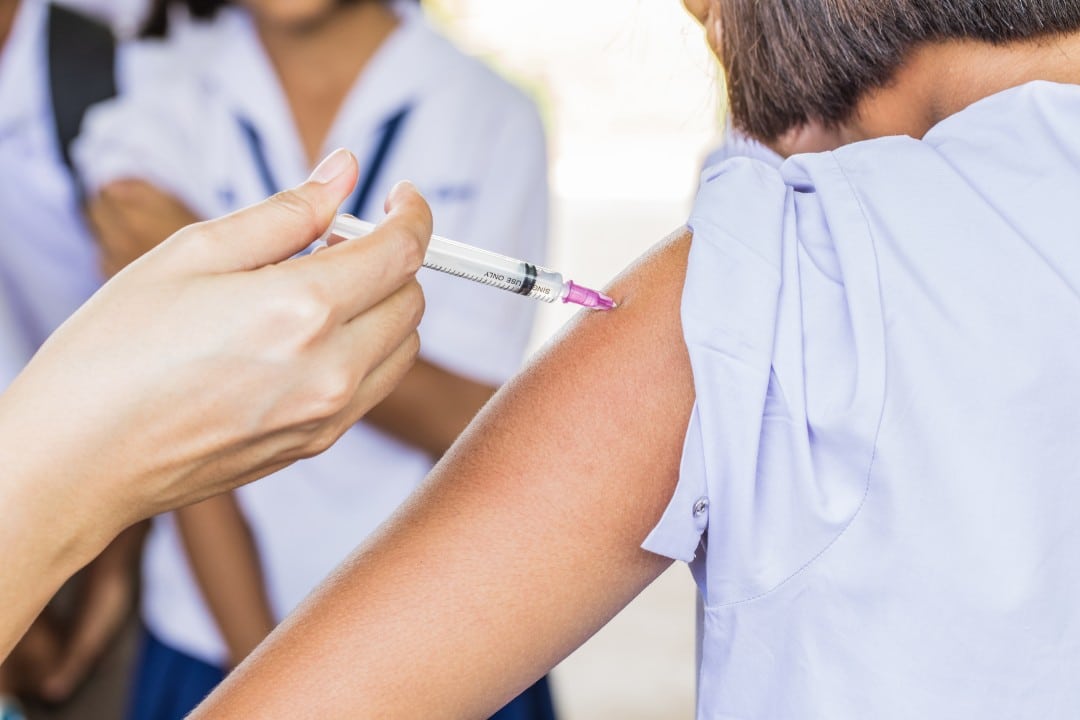
Along with the clinical update, there was a redefinition in the financial participation of system users. The government has set a fixed co-participation amount for eligible citizens, set at 3,500 yen. Este amount represents the portion that the patient must pay directly, while the rest of the cost of the vaccine is covered by public coffers. Esta standardized rate aims to balance the sustainability of the vaccination program with accessibility for the senior population, ensuring that financial barriers do not impede access to this cutting-edge prophylactic technology.
It is essential that the population is aware of the periodicity rules, as the state subsidy is only granted once in a lifetime for this type of immunization. Aqueles who have previously received the pneumococcal vaccine under the public regime are not entitled to a new subsidized dose and must bear the full costs if they opt for revaccination. The measure reflects Japão’s ongoing effort to adapt its public health policies to scientific innovations, prioritizing the prevention of diseases that historically increase hospitalization rates among the elderly.
Technological superiority and immunological response
Replacing the previous immunizer with the conjugated version represents a considerable technical advance in geriatric preventive medicine. Diferente of the polysaccharide vaccine, which acts more simply on the immune system, the new 20-valent conjugate vaccine is designed to induce a more powerful and longer-lasting immunological memory. Estudos clinicians who supported the ministry’s decision indicate that this formulation offers a superior antibody response, which is crucial for aging organisms that naturally have a less reactive defense system.
The new vaccine covers twenty different serotypes of pneumococcal bacteria, which are responsible for the vast majority of cases of severe pneumococcal pneumonia in adults. By focusing on these specific serotypes, the public health strategy aims to drastically reduce the incidence of invasive forms of the disease. Especialistas in infectious diseases point out that the protein conjugation technology used in the new vaccine allows the body to recognize the antigen more efficiently, generating protection that persists for longer without the need for frequent booster doses, as occurred with older vaccine models.
This update aligns Japão with the most advanced international immunization practices. The ability to prevent not only pneumonia, but also other systemic infections caused by pneumococcus, should result in a significant decrease in hospital bed occupancy and mortality associated with respiratory diseases in winter. The increased effectiveness of the vaccine justifies the public investment and the logistical reorganization necessary for its distribution throughout the archipelago.
End of transition measures and new deadlines
A critical change to the current rules concerns the termination of the so-called transition measures, which were in force in previous years. Até Recently, the Japanese government allowed people aged 70, 75, 80 and so on to receive the vaccine with a subsidy if they had not been previously immunized. Essa “catch-up” policy has been officially finalized, restricting the focus of the routine program strictly to those reaching the base age of 65.
This change imposes greater responsibility on citizens so that they do not miss the vaccination deadline. The eligibility period is strict, and those who miss the window of opportunity at age 65 will lose their right to the 3,500 yen subsidy. Caso If an elderly person decides to be vaccinated after the end of their eligibility period, they will be considered a voluntary patient and must pay the full price of the vaccine, which is substantially higher than the co-participated amount.
Local authorities are intensifying communication to prevent residents from losing the benefit due to misinformation. The end of staggered age groups simplifies the administrative system, but requires the population to be proactive about their health calendar once they reach retirement age. The loss of the subsidy represents a financial impact that can discourage late vaccination, leaving the individual vulnerable to infections.
Procedures for access and medical guidance
To access the new vaccine under the updated rules, eligible residents must wait for notification from their municipalities or proactively seek information from local city halls. Geralmente, local governments send vaccination coupons or information documents to the homes of people turning 65. It is essential to present these documents at accredited clinics to guarantee the application of the reduced rate.
Prior medical consultation remains a mandatory and essential step in the process. Durante the visit, the doctor will evaluate the patient’s vaccination history to confirm that he or she has never previously received the subsidy, avoiding undue charges or unnecessary administration of doses. Além In addition, for the group between 60 and 64 years old with comorbidities, the clinical evaluation serves to certify the health condition that justifies early vaccination.
It is recommended that elderly people and their families check the availability of the new vaccine at clinics in their region, as the logistical transition to the new stock may vary depending on the location. Standardizing the cost at 3,500 yen facilitates families’ financial planning, eliminating price variations that could occur between different medical institutions, ensuring equity in access to preventive healthcare throughout the national territory.



