
Ninja Gaiden Ragebound secures top prize at Arkade with fusion of nostalgia and modern combat

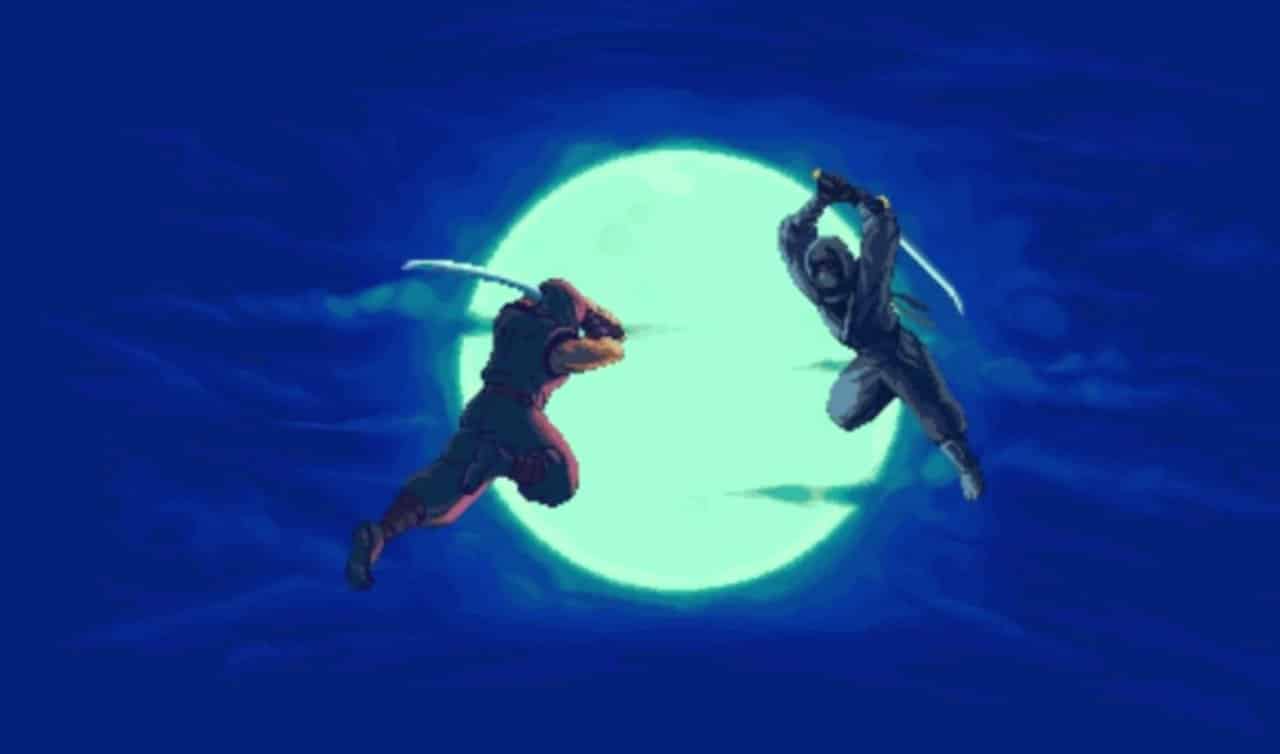
The renowned action franchise returned to the spotlight with a warm reception from critics and longtime fans. Ninja Gaiden Ragebound, the result of the strategic partnership between developer The Game Kitchen and publisher Dotemu, secured its place as one of the main highlights in the selection of Melhores and The recognition celebrates the title’s ability to revitalize the essence of two-dimensional platformers, maintaining the series’ legendary difficulty while introducing contemporary technical refinements that appeal to veterans and new players alike.
New protagonists expand the universe of the saga
The plot moves away from the iconic Ryu Hayabusa to present a new dynamic between two warriors with different skills. Kenji Mozu, a promising disciple, joins forces with Kumori, a kunoichi from the rival Black Spider clan, creating an unlikely alliance to contain a supernatural invasion after dimensional barriers are broken. Essa narrative is driven by animated scenes in stylized pixel art that hark back to the 16-bit era, providing visual immersion that speaks directly to classic aesthetics.
Gameplay benefits profoundly from this duality, allowing the player to fluidly switch between characters’ combat styles. Enquanto Kenji focuses on the brutality of close combat with his sharp katana, Kumori offers ranged tactical advantages with kunais and improved mobility through short teleports. Essa mechanics require the user to master both approaches to overcome the challenges posed by the varied scenarios, which range from dense forests to corrupted temples in the feudal Japão.
Combat system requires reflexes and technical precision
The core of the experience lies in the millimetric precision required in each confrontation, a hallmark of intellectual property. Mecânicas like the “Guillotine Boost” encourage aggression and constant movement, allowing players to use enemies and projectiles as platforms to gain height or strategic repositioning. Mastering this ricochet technique is essential for navigating complex levels and avoiding damage at critical moments, elevating gameplay to a level of technical performance.
In addition to movement, the “Hypercharge” system rewards the perfect execution of specific attacks against opponents identified by colored auras. Collecting energy during battles fuels a devastating secondary arsenal that includes iconic weapons like the kama scythe and chakram disc. Essas tools are essential for controlling crowds of demons and facing bosses with predictable attack patterns, but executed at high speed, testing the player’s reflexes to the limit.
Critical reception and performance across platforms
The success of the project is reflected in the solid numbers obtained on the rating and sales aggregation platforms. On the computer, the title achieved an average of 84 points on the Metacritic, based on dozens of professional reviews that highlight the balance between punishing challenge and rewarding fun. The gaming community also embraced the proposal, resulting in a massive 94% approval rating on the Steam digital store, where it has accumulated thousands of positive reviews praising the fluidity of the controls.
Critics point out that the clever level design and immersive soundtrack were crucial to this global acceptance. The decision to maintain the side perspective, instead of opting for 3D, proved to be a good one for The Game Kitchen, delivering a polished experience that serves both as a tribute to the NES classics and as a natural evolution of the “action platformer” genre for the new generation of consoles and PCs.



