
Poco X8 line should debut with an unprecedented 8500 mAh battery and advanced architecture processor

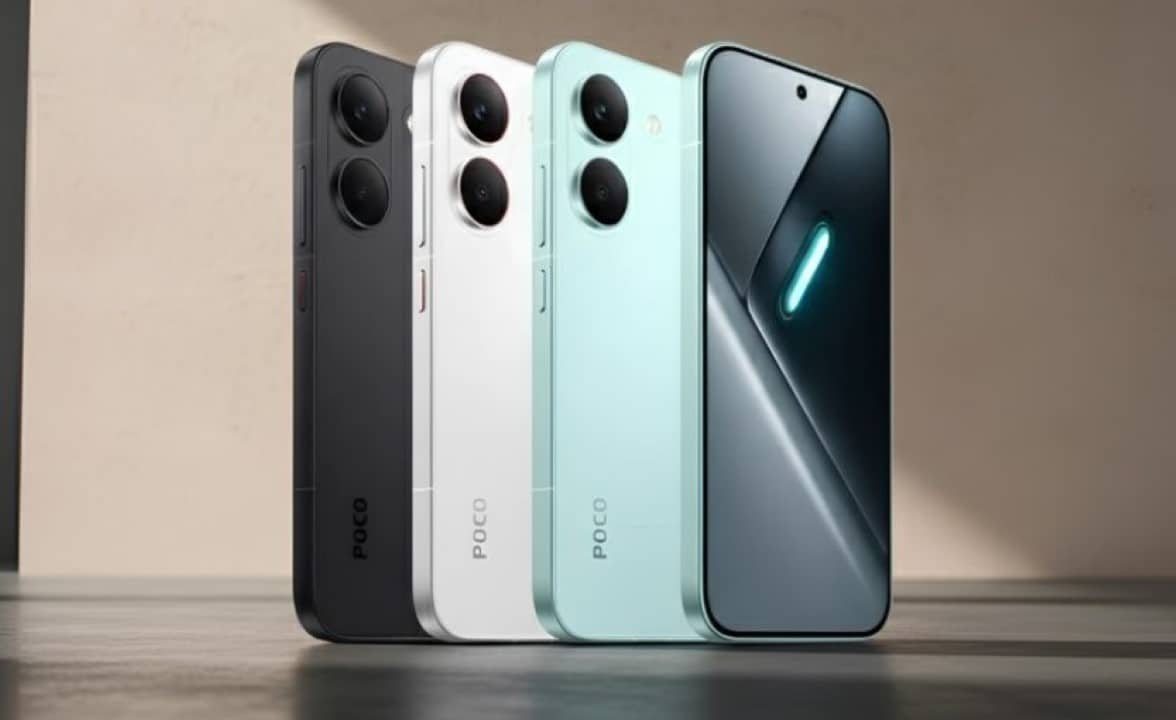
The global smartphone market is preparing to welcome new competitors that promise to redefine autonomy and performance expectations in the premium mid-range segment. Documentos recently leaked technicians detail the specifications of the future Poco X8 series, consisting of the Pro and Pro Max models. The information points to an aggressive strategy by the manufacturer, which seeks to adapt the development base of the Redmi Turbo line to offer devices with high processing capacity and batteries that far exceed the industry average.
The listing on international certification bodies suggests that the official launch of the devices is imminent. Estimated prices for the European market vary between 399 and 529 euros, positioning the devices as affordable alternatives to traditional high-end devices. The expectation is that this new generation will consolidate the brand as a reference in cost-benefit, especially for users who prioritize battery longevity and gaming performance.
Основные сведения on the POCO X8 Pro series.
• POCO X8
• POCO X8 Pro — Dimensity 8500
POCO X8 Pro Max (ожидается)
📱 6.83-дюймовый 1.5K TCL M10 OLED, 120 Гц, 2000 нит HBM, 3840 Гц ШИМ
⚙️ Dimensity 9500s + Immortalis-G925 MC12
💾 LPDDR5x…pic.twitter.com/6ASMWHOSn9— Абхишек Ядав (@yabhishekhd)19 February 2026
Industry experts closely watch the company’s hardware choices. The decision to incorporate cutting-edge components, usually reserved for more expensive models, indicates a move to capture a larger slice of the technology enthusiast audience. The focus on energy efficiency and raw power appears to be the central pillar of this new family of products.
In addition to internal specifications, design and durability also received special attention. The IP69K certification, mentioned in the reports, guarantees maximum protection against dust ingress and resistance to high pressure and temperature water jets, a rare feature in this price segment. The expected operating system is Android 16, running under the custom HyperOS 3 interface, which ensures compatibility with the latest software features.
Performance advances with MediaTek chips
The processing architecture chosen for the new line reflects the commitment to high performance. The most robust model, identified as X8 Pro Max, must be equipped with the MediaTek Dimensity 9500s chipset. Este component is manufactured with 3 nanometer lithography, an advanced technology that allows for greater transistor density, resulting in greater calculation speed and lower electrical energy consumption during complex tasks.
For the standard version of the device, the manufacturer chose the Dimensity 8500 Ultra processor. Preliminary Testes tests performed on the Geekbench benchmark platform demonstrate the capabilities of this chip, which achieved 1708 points in single-core operations and 6297 points in multi-core activities. Esses numbers represent a performance gain of around 7% when compared to previous generations of the same processor family.
Both models integrate Immortalis series graphics processing units. The inclusion of this GPU is strategic for the gaming audience, as it offers native support for modern visual technologies, such as the Ray Tracing. Isso enables the rendering of realistic lighting effects in mobile games, bringing the visual experience closer to that of desktop consoles.
Power autonomy surpasses current standards
The most striking difference revealed by the leaks lies in the smartphones’ power system. The Max model should hit shelves with an 8500 mAh battery. Este value is significantly higher than the market standard, which has historically stabilized in the 5000 mAh range for most Android devices.
This massive capacity aims to meet the demand for devices that can withstand full days of intense use without needing to be recharged. Para Complementing the size of the battery, the device will feature support for 100 W fast charging. The power management system has been optimized to maintain controlled temperature during the recharging process, preserving the cell’s chemical health in the long term.
The conventional version of the device also presents impressive numbers, with a 6500 mAh module. Assim as the most expensive model, it maintains compatibility with 100W charging technology.
Screen and optical assembly specifications
The visual experience will be guaranteed by panels with OLED technology and 1.5K resolution on both devices. The Max model sports a 6.83-inch screen, while the base version has a 6.59-inch display. The refresh rate of 120 Hz is standard across the range, ensuring fluidity when navigating the system and running applications.
The maximum brightness of the screens can reach peaks of 3500 nits. Essa feature is essential to ensure content readability in outdoor environments under strong sunlight. The quality of the display, combined with the powerful hardware, reinforces the devices’ vocation for consuming high definition videos and games.
In terms of photography, the company chose the 50 MP Sony IMX882 main sensor, equipped with optical image stabilization to avoid blurry photos and improve night capture. The rear set is complemented by an 8 MP ultrawide lens, ideal for landscapes, while the 20 MP front camera promises selfies with a good level of detail and color balance, optimized by artificial intelligence.
Connectivity and market positioning
Connectivity is another strong point of the new generation. The most advanced model will support Wi-Fi 7 networks, ensuring superior data transfer speeds and lower latency. Já the standard version will be compatible with the Wi-Fi 6, which still offers excellent performance for most home and enterprise applications.
With competitive prices and specifications that challenge superior categories, the Poco X8 line is positioned as a robust option for 2026. The combination of giant batteries, efficient processors and resistant construction should attract consumers looking for durability and power without the prohibitive costs of traditional flagships.



