
Ralf Schumacher responds to Verstappen’s criticisms about new engines and defends F1’s sustainable future

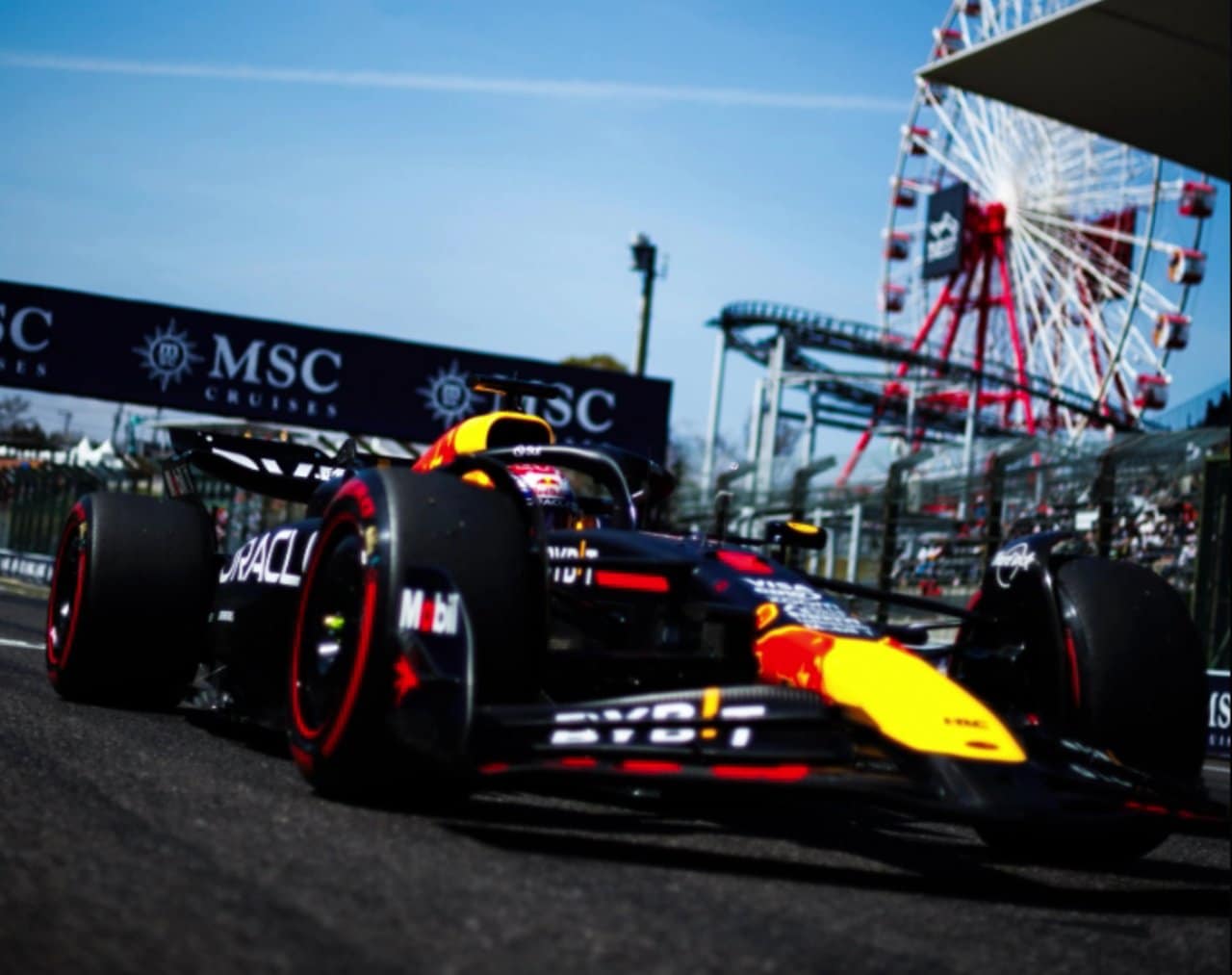
The world motorsport scenario is going through a decisive moment with the consolidation of new technical guidelines for the main category of motor sport. Enquanto teams and drivers adjust their strategies to the profound changes in power units and aerodynamics, significant disagreements arise behind the scenes about the path adopted. Ralf Schumacher, a former driver with a remarkable experience in the category, took a firm stance in favor of the new sustainability standards, refuting the critical remarks made recently by three-time world champion Max Verstappen.
The central discussion revolves around the delicate balance between pure performance and environmental responsibility, a topic that divides opinions between purists and those who aim for the championship’s commercial longevity. Para Schumacher, Verstappen’s skeptical stance towards new cars could be harmful to the image of the competition, especially in a period where the sport seeks to align its objectives with global demands for energy efficiency and technological innovation.

Commercial importance and attraction of car manufacturers
For the German, Fórmula 1 cannot afford to ignore global trends in the automotive industry at the risk of obsolescence. The transition to engines with greater electrical dependence and the use of sustainable fuels is not just an engineering choice, but a survival necessity to keep the sport attractive to large commercial partners. The confirmation of the entry of brands such as Audi and the return of Ford to the grid prove that the direction towards electrification was a correct bet by the organizers.
Schumacher argues that if the category maintained the old regulations focused only on traditional combustion, it would inevitably lose the financial and technical support of these corporations. The development of technologies that can be transferred to street cars is what justifies billion-dollar investments before the boards of directors of car manufacturers, transforming the track into a high-speed laboratory.
Adaptability defines champions
The criticisms of Verstappen, who went so far as to classify the new cars as hybrids that were too complex due to their energy management, were contested from the perspective of professional driving. Schumacher’s analysis points out that the history of sport is made up of cycles of change and that the true champions are those capable of adapting to any equipment, instead of complaining about the current configurations. The ability to get the most out of a car, regardless of its technical characteristics, is what differentiates good drivers from legends.
Although there are technical concerns about the need to change driving style on straights to charge batteries or manage final speed, these points are seen as challenges to be overcome by engineers and drivers. Para the former driver of Williams and
Responsibility of idols and image of sport
The debate raised also touches on the responsibility that prominent figures have for the public perception of the championship and its market value. Comentários Negatives coming from a dominant champion can devalue the product among fans and investors, creating an unnecessary pessimistic narrative. The suggestion is that the focus remains on working together with teams to optimize performance within the new rules.
By upholding the new regulations, Schumacher seeks to protect the Fórmula 1 ecosystem, ensuring it remains an attractive environment for innovation, sponsors and new generations of fans. The pragmatic view reinforces that resistance to change is a losing battle against technological advancement and that evolution, even if it requires adaptation, is the only way to maintain the category’s relevance in the coming decades.





