
Tata launches updated Punch EV with subscription battery system and aims to lead the electric market

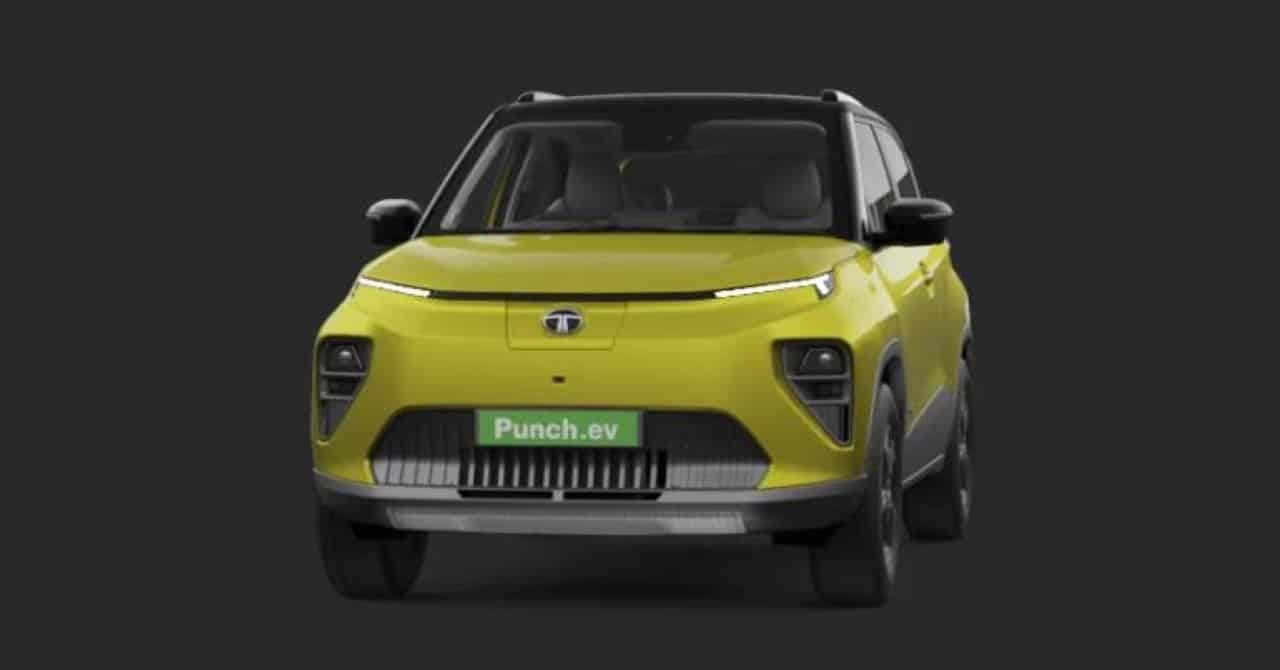
Tata Motors officially announced the arrival of the new restyled Tata Punch EV on Mumbai, consolidating its aggressive strategy to dominate the electric compact SUV segment in the Asian market. The launch, held on February 20, 2026, marks a decisive moment for the accessibility of zero-emission vehicles, introducing 30 kWh and 40 kWh battery options that promise to serve both urban use and medium-distance trips. The major commercial innovation is the “Battery-as-a-Service” (BaaS) business model, which drastically reduces the initial cost of purchasing the vehicle to 6.49 lakh rupees, transferring the cost of the battery to a monthly rental fee based on usage.
The Indian automaker’s move occurs in a scenario of intense transformation in the automotive sector, driven by robust government incentives and growing environmental awareness among consumers in large cities. By democratizing access to electric technology, the manufacturer seeks to capture a significant share of an expanding market, positioning the Punch EV not just as an environmentally friendly car, but as a financially viable solution for the middle class.
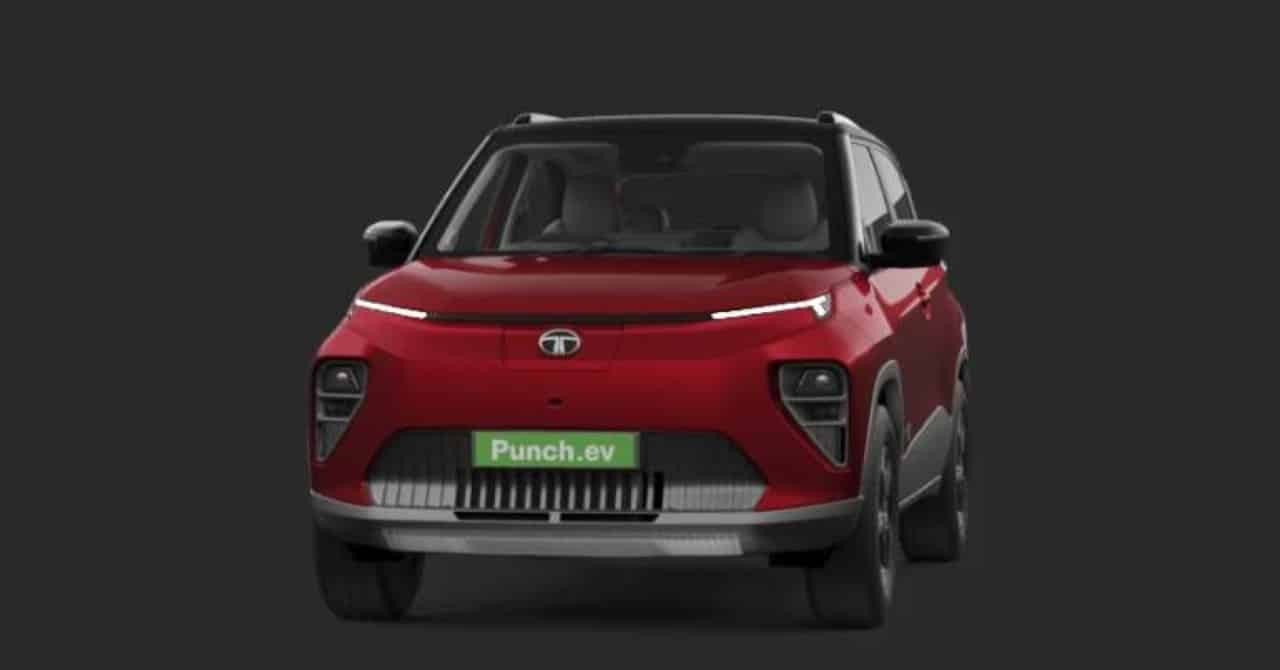
With the update, the model starts to compete directly with strong rivals, such as the Citroen eC3, which has a higher starting price, and alternatives from adjacent segments, such as the MG Windsor EV and the Tata Nexon EV itself. The technical improvements implemented aim to solve the main pain points for electric car owners: range anxiety and recharging time, now offering support for 65 kW DC fast charging.
Commercial strategy and subscription model
The introduction of the Bateria as Serviço (BaaS) system represents a disruption to the traditional car sales model in the region, allowing the consumer to pay only for the vehicle, while the battery is treated as a variable operating cost. Essa approach lowers the financial entry barrier, making the car’s sticker price comparable to or even lower than that of equivalent combustion models, which is crucial in price-sensitive markets.
The battery rental calculation is based on the kilometers traveled, which offers flexibility for different driver profiles, from those who only use the car for short daily journeys to those who travel long distances. Além of the immediate financial benefit, the subscription model eliminates the owner’s concern about long-term battery degradation, as the responsibility for the maintenance and health of the component remains with the manufacturer or service provider.
To attract buyers focused on value for money, Tata structured the vehicle variants — from the Smart version to the most complete ones — to ensure that, even with the rental fee, the total cost of ownership remains competitive compared to direct competitors. The strategy aims to expand the adoption of electric vehicles in congested cities, where savings on fuel and maintenance quickly compensate for the investment.
Performance and recharge optimization
At the heart of the Punch EV’s technical upgrade are new prismatic cells, which have been optimized to offer greater energy density and superior durability compared to previous generations. The version equipped with the 40 kWh battery now achieves an ARAI-certified range of up to 468 km, an impressive number for a vehicle of its size, while the entry-level 30 kWh version delivers up to 375 km, sufficient for most weekly urban routines.
The efficiency of the electrical system has been improved not only in storage capacity, but also in the speed of energy replenishment, a critical factor for everyday usability. Support for 65 kW DC fast charging allows the vehicle to recover around 135 km of autonomy in just 15 minutes, surpassing rivals such as the Mahindra XUV3XO EV, which is limited to 50 kW, ensuring greater agility in quick stops.
In addition to charging speed, the Tata has implemented adjustable driving modes that allow the driver to manage energy consumption according to the need of the moment, balancing power and economy. The brand’s confidence in the new technology is evidenced by the offer of a lifetime warranty for the 40 kWh battery, a difference that provides consumers with security regarding the longevity of the vehicle’s most expensive component.
The electric motor also presents power variations depending on the version, reaching 88 PS in the most robust configurations, which gives the compact SUV the agility necessary for urban traffic and safe recovery on roads.
Renewed design and internal comfort
Aesthetically, the Punch EV facelift brought subtle but effective refinements to align the model with the brand’s new visual identity and differentiate it from its combustion counterpart. The front received a redesigned bumper with an enlarged air intake, which improves system cooling, as well as a textured silver lower protection plate that reinforces the SUV’s adventurous appeal.
The compact dimensions were maintained, measuring 3,880 mm in length, 1,742 mm in width and 1,622 mm in height, preserving ease of maneuvering in tight spaces, an essential feature for the urban target audience. At the rear, the LED-connected headlights have been updated, giving a more modern and technological light signature.
The interior received special attention to elevate the perception of quality, adopting a two-tone black and white theme and updated synthetic leather upholstery. The air conditioning control panel is now touch-sensitive, eliminating physical buttons and cleaning up the look of the center console, while the electric window controls have been repositioned to improve ergonomics.
The vehicle’s robustness was not compromised by aesthetic updates, maintaining a ground clearance of 195 mm and water crossing capacity of up to 450 mm. The color palette has been expanded with three new shades, offering a total of seven options for customization, meeting younger consumers’ demand for exclusivity.
Advances in connectivity and security
The technology embedded in the new Punch EV places the model at a higher level within its category, offering features generally found in more expensive segments. The highlight is the 10.25-inch touchscreen with an updated interface, complemented by a 10-inch digital instrument panel for the driver, both with Apple CarPlay and wireless Android Auto support.
To increase comfort on long journeys, top versions include ventilated front seats — a highly valued item in the region’s hot climate — and an electric sunroof. Vehicle connectivity allows remote monitoring via app, making it easier to manage cargo and locate the vehicle in crowded parking lots.
Safety was treated as a priority, with the inclusion of six standard airbags, electronic stability control and a tire pressure monitoring system. The technological package is completed by a 360-degree camera that assists with maneuvers and an electronic parking brake with auto-hold function, ideal for heavy traffic.
Paddle shifters on the steering wheel allow you to adjust energy regeneration levels during braking, optimizing range and providing a more interactive and efficient driving experience.
Direct comparison with the competition
The Punch EV’s main opponent, the Citroen eC3, relies on a European design and comfort-focused suspension, but lags behind in crucial technical specifications. With a smaller 29.2 kWh battery and 56 bhp engine, the French model offers around 320 km of range and lower power, making it less versatile for road use compared to the Tata option.
Although the Citroen stands out for its simplicity and promise of low maintenance, the lack of items such as a sunroof and ventilated seats weighs against it in the perception of value. Além In addition, Tata’s dealer network in Índia is significantly broader, facilitating after-sales support, a decisive factor for many buyers.
The MG Windsor EV, despite its sales success and modern design, finds it difficult to compete with the charging speed and unlimited battery warranty offered by the Punch. MG’s model offers more battery options, but the Tata’s lower initial cost, driven by the BaaS model, creates a competitive advantage that’s hard to ignore.
The Mahindra
Positioning in front of the Nexon EV
Within the Tata portfolio, the Punch EV needs to coexist with the Nexon EV, a larger and more powerful model. The Nexon, with batteries of up to 45 kWh and a 148 bhp engine, is positioned as a choice for those looking for more space and superior performance, justifying its higher starting price of 12.49 lakh rupees.
The Punch, in turn, acts as the gateway to the brand’s electrification, focused on urban efficiency and cost-benefit for smaller families or young professionals. Essa clear segmentation allows the manufacturer to serve different price points without cannibalizing its own sales.
The overlap of technologies between the two models strengthens Tata’s leadership in the electric vehicle market, allowing economies of scale and sharing of innovations, such as the software platform and charging solutions.
Market outlook for 2026
The Indian electric vehicle market is experiencing rapid expansion, with projections indicating that EVs will represent around 10% of total sales by the end of 2026. Government Subsídios, such as the FAME II program, and continued investment in charging infrastructure are the main drivers of this growth.
Adoption is particularly high in large urban centers like Mumbai and Delhi, where pollution restrictions and the high cost of fossil fuels make the transition to electricity a rational and economical choice. Fabricantes are responding to this demand by nationalizing battery production to reduce dependence on imports.
Challenges such as highway range and recharging time still persist, but technological advances such as the Punch EV’s 65 kW charging show that the industry is quickly overcoming these barriers. The government plans to further expand the network of charging stations to enable long trips and consolidate electric mobility in the country.
The success of affordable models like the Punch EV will be key to achieving climate and fleet modernization goals, serving as a barometer for technology acceptance in global emerging markets.



