
Confrontations after the death of a cartel leader lead to the closure of schools and a wave of looting in Mexico

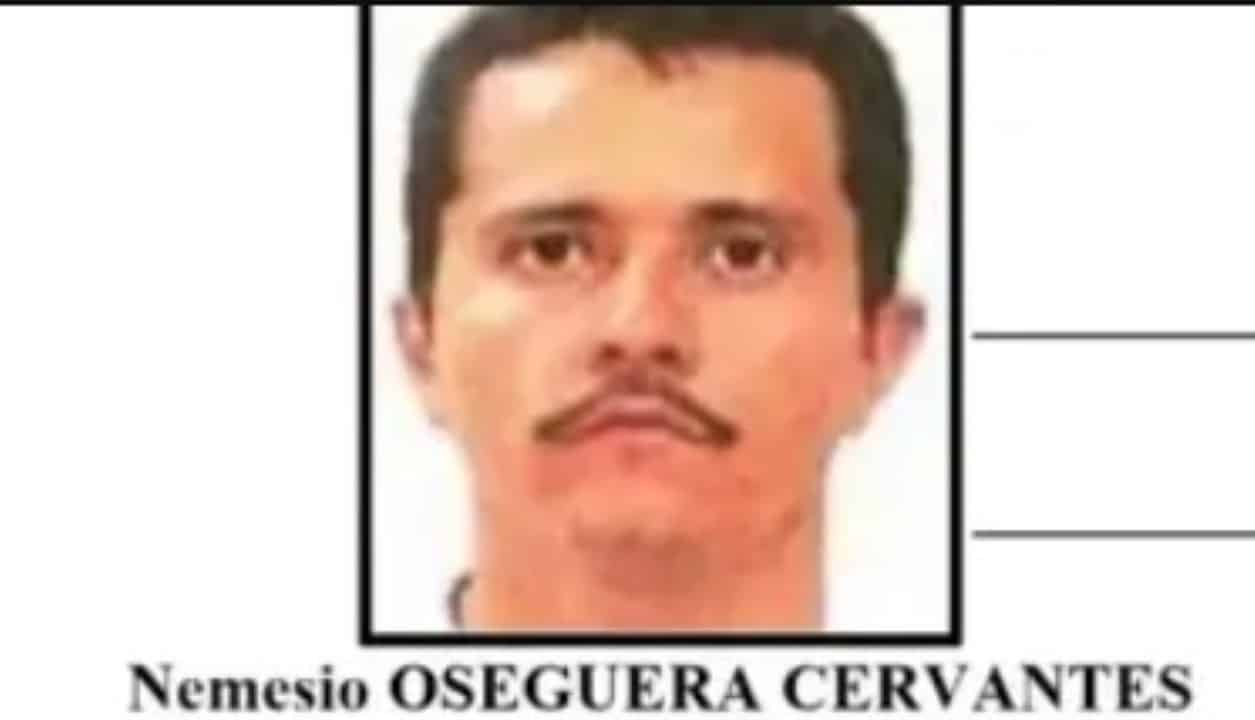
The death of Nemesio Rubén Oseguera Cervantes, known as Esta security crisis, triggered on February 22, 2026, after the operation that eliminated the leader of the powerful Cartel of The situation of widespread chaos demanded a coordinated and rapid response from federal and state authorities to reestablish order in a highly complex and risky scenario, highlighting the fragility of regional security.
The operation that resulted in the elimination of one of the biggest names in Mexican drug trafficking marked one of the most significant blows against organized crime in the country in recent decades. Este event provoked a fierce reaction from the cartel, which quickly orchestrated acts of retaliation and public disorder in several cities.
Important cities such as Guadalajara and Puerto Vallarta saw their air and land operations severely affected, leaving tourists stranded and the population on high alert. The escalation of insecurity forced the closure of businesses and bank branches in several locations, generating immediate economic impacts and general concern.
Immediate social repercussions
The suspension of classes was one of the most immediate and impactful measures adopted by the government of Jalisco, aiming primarily to safeguard the safety of thousands of students and educators in the face of the wave of post-operation violence. The decision covered all educational institutions, from primary and secondary education to higher education, and the lack of a clear forecast for the return to school activities added a layer of uncertainty and apprehension to the routine of countless families in the region, who found themselves directly exposed to clashes and instability. Authorities prioritized the protection of the most vulnerable population amid the chaos.
In addition to Jalisco, twelve other Mexican states felt the effects of the wave of violence, which led them to implement partial or total cancellations of classes. Localidades as well as Oaxaca, Colima, Veracruz, Puebla, Querétaro, the daily lives of these communities, who found themselves compelled to adopt security measures.
Escalation of violence and arrests
The death of Nemesio Rubén Oseguera Cervantes triggered a wave of widespread violence that quickly spread across several regions of México, with armed clashes and acts of vandalism intensifying in the hours following the official announcement. In a preliminary report released by the authorities, at least 25 individuals were detained in intensified security operations: 11 of them were suspected of direct involvement in violent acts and another 14 for participating in looting commercial establishments. The rapid action of the security forces sought to contain the escalation of clashes, but the cartel’s response highlighted its considerable capacity for mobilization and resistance, transforming streets and roads into scenes of tension and confrontation and impacting public security on a large scale, with the paralysis of essential activities.
Public transport in Jalisco was suspended the day before the news, and its gradual reactivation the following day did not alleviate the apprehension of the population, which remained on high alert. The series of attacks and the presence of criminals on the streets led many citizens to take shelter in their homes, paralyzing commercial and service activities in several cities in the state, generating significant economic and social losses for the affected communities.
The operation against el mencho: details of the action
The decisive confrontation that culminated in the death of El Mencho took place in the city of Tapalpa, in the district of El Mencho, 59 years old, was being transported under tight security by his associates to board a plane bound for Cidade of México, where he would receive health treatment, a plan that ended up being frustrated by military intervention in a rural region that was difficult to access. The operation was meticulously planned to surprise the target.
According to the Mexican Exército, the interception turned into an intense exchange of fire, after the soldiers were attacked by cartel security guards who reacted to the security forces’ approach with heavy weapons. Esta the criminals’ immediate and violent response triggered a large-scale confrontation, where the armed forces had to employ advanced combat tactics to neutralize the threat and protect the team involved in the operation, culminating in the loss of lives on both sides and the seizure of war material.
The operation resulted in the death of El Mencho and three other members of Cartel of Jalisco Nova Geração (CJNG) at the scene of the confrontation, marking a fatal outcome for the leadership of one of the biggest drug trafficking bosses. Além of the deaths, three members of the criminal group were seriously injured and hospitalized, along with three soldiers who were also injured during the intense clash. Dois additional suspects were captured by authorities.
New Generation Jalisco Cartel (CJNG) and its reach
Cartel of Jalisco Nova Geração (CJNG), co-founded and led by Sua’s rise was marked by unprecedented brutality and the ability to openly challenge the Estado, establishing iron control over important drug trafficking routes and vast territories, employing paramilitary tactics and displaying a military arsenal that rivals that of many regular military forces, which demonstrates its firepower and the seriousness of the threat it poses to national and regional security.
The Estados Unidos played a crucial role in combating El Mencho and the CJNG, providing support and intelligence for the operation that culminated in their death. The American Departamento of Estado had offered a reward of 15 million dollars for information leading to the capture of the leader, highlighting the perception of the cartel as a serious threat to American national security and the stability of the border region. The CJNG is identified as the main responsible for trafficking large volumes of cocaine, heroin, methamphetamine and, more recently, fentanyl, a drug that has caused a severe public health crisis in American territory, exacerbating bilateral tensions between the two countries.
Economic and tourist impact
The wave of violence following El Mencho’s death severely impacted the local economy and the tourism sector, especially in states like Jalisco, which rely heavily on this activity for their livelihoods and development. The temporary suspension of public transport, the closure of businesses and bank branches were direct consequences of the instability and feeling of insecurity that gripped cities, paralyzing daily life and generating significant losses for business owners and workers.
The initial numbers of the economic and social impact were alarming, reflecting the speed and extent of the disorder in different sectors of society:
Tourists, mostly from the Estados Unidos, were stuck in their accommodation and unable to leave the country due to roadblocks that prevented access to airports and other means of transport. The USA’s Embaixada in México issued a security alert, advising its citizens to remain in safe places and maintain contact with family members, reinforcing the seriousness of the situation for international visitors and the need for maximum caution when traveling.
Political scenario and future security
The death of Nemesio Rubén Oseguera Cervantes represents a significant turning point for the administration of Mexican President Claudia Sheinbaum, which had been facing intense pressure, including from the Trump administration, to intensify the fight against drug trafficking destined for the Este success could strengthen the government’s image in the fight against organized crime, marking a crucial advance in national security policy and potentially impacting the country’s internal political landscape, especially in an election year, where the perception of government effectiveness is fundamental to public acceptance and the maintenance of stability.
However, the history of fighting cartels in México suggests that the death of a leader does not always mean the end of the organization, but can generate instability, fragmentation and new power struggles between rival factions or even within the CJNG itself, resulting in a temporary escalation of violence. The challenge for the government of Sheinbaum will be to prevent the leadership gap from resulting in new clashes and ensure the continuity of operations against the cartel, requiring long-term strategies and a continuous and reinforced presence of security forces to ensure stability.
Persistent security challenges
The episode of El Mencho’s death and the subsequent demonstrations of violence reinforce the persistence and complexity of the challenges faced by the Mexican government in its tireless battle against organized crime. The cartel’s responsiveness, widespread impact on civilian life and the economy demonstrate the deep and deep-rooted influence of these criminal networks. Maintaining public order and ensuring security remain crucial priorities that demand a strategic, integrated and collaborative approach from authorities, both nationally and internationally, to restore peace and normality.



