
Crease on the earlobe warns of the risk of heart disease and the need for preventive exams

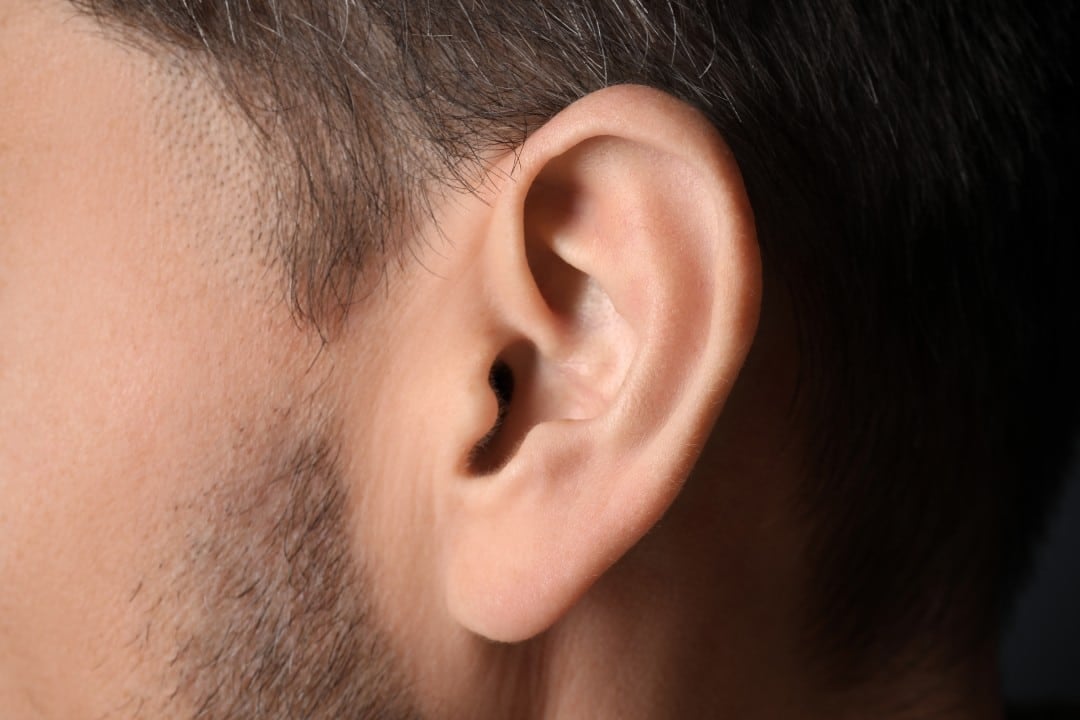
A seemingly harmless physical sign in the ear region has aroused the interest of the medical community and cardiology experts as a potential visible marker of arterial problems. The phenomenon, characterized by a diagonal line that crosses the earlobe, is not only an aesthetic mark of aging, but may be intrinsically linked to the health of the circulatory system. Médicos warn that the presence of this dermatological characteristic should serve as a trigger for carrying out more detailed check-ups, aiming to prevent serious cardiovascular events.
The correlation between this skin tag and internal diseases is based on the physiology of the terminal blood vessels, which supply extremities such as the ears. Quando blood flow is compromised by inflammatory or degenerative processes, peripheral tissues are often the first to undergo visible changes. Desta way, the body emits silent alerts that, if interpreted correctly by healthcare professionals, can anticipate diagnoses of conditions such as atherosclerosis before more severe symptoms, such as chest pain or extreme fatigue, manifest themselves.

Experts reinforce that visual identification does not replace clinical examinations, but works as an accessible and non-invasive screening tool. Close observation of changes in one’s own body, combined with regular medical monitoring, forms the basis of modern preventive medicine. When noticing changes in the texture or shape of the earlobe, the recommendation is to seek specialized guidance to assess the overall cardiac risk profile, including measuring blood pressure and cholesterol levels.
The recognition of this skin sign integrates a holistic approach to health, where external signs reflect the internal state of the body. The skin, being the largest organ in the human body, often mirrors systemic vascular health. Portanto, ignoring these small changes could mean missing a valuable opportunity for early intervention in clinical conditions that could otherwise evolve silently over the years.
Origin and definition of the Frank signal
The technical term for this condition is “Frank Sign,” named after the physician Sanders T. Frank, who first identified the correlation in the 1970s. The crease usually begins at the bottom of the opening of the ear canal and extends to the edge of the lobe, forming an angle of approximately 45 degrees.
Unlike common wrinkles caused by the loss of collagen on the face, this crease occurs in an area devoid of cartilage, essentially composed of adipose tissue and capillary vascularization. Medical theory suggests that the same process that causes hardening of the coronary arteries also affects the small vessels that nourish the earlobe. Lack of adequate irrigation leads to degeneration of the region’s elastic fibers, resulting in tissue collapse and the formation of the characteristic line.
Subsequent studies validated the initial observation, transforming a clinical curiosity into a respected semiological sign. Embora is not present in all cardiac patients, its prevalence is statistically higher in groups with confirmed coronary artery disease. Isso makes the physical examination of the ears a quick and cost-effective part of the overall patient assessment in general practice and cardiology practices.
Scientific evidence and Brazilian studies
Research carried out in university hospitals in Brasil has shed new light on the reliability of this marker in local populations. A relevant study, conducted with methodological rigor, analyzed patients with and without coronary artery disease proven by angiography. The results indicated a significant positive correlation, suggesting that the presence of the diagonal crease increases the likelihood of arterial blockages, regardless of other classic risk factors.
In addition to clinical analyzes on living patients, autopsy studies have provided compelling data on the anatomical relationship between the Frank sign and the cause of death. In several forensic analyses, it was observed that individuals who died from acute cardiovascular events had an auricular crease much more frequently than those who died from other causes. Essa post-mortem evidence reinforces the hypothesis that the change in the ear is a systemic reflection of a long-standing vascular disease.
Risk factors and biological mechanisms
The degeneration that leads to the appearance of the ear crease shares the same pathological mechanisms as atherosclerosis. The process involves oxidative stress and chronic inflammation, which damage the inner lining of blood vessels. Fatores that accelerate vascular aging also precipitate the appearance of the sign in the ear:
- Uncontrolled arterial hypertension, which damages the vessel walls.
- Diabetes mellitus, which compromises peripheral microcirculation.
- Smoking, responsible for vasoconstriction and destruction of elastin.
- Dyslipidemia, characterized by high levels of LDL cholesterol and triglycerides.
- Advanced age, although the sign in people under 60 is considered more alarming.
The loss of elastin and elastic fibers in the earlobe reflects the loss of elasticity in the body’s large arteries. Quando arteries lose their ability to expand and contract properly, the heart needs to exert more force to pump blood, increasing the cardiac workload. The crease, therefore, acts as a visible biomarker of a process of arterial stiffness that occurs internally and in a generalized way.
Importance of complete medical evaluation
The presence of a crease in the earlobe should not be a reason for immediate panic, but rather a reason for proactive action in relation to your health. The signal functions as a probabilistic risk indicator, not as a definitive diagnosis of imminent heart attack. The recommended course of action when noticing the mark is to schedule a medical appointment for a global cardiovascular risk assessment, which may include blood tests, electrocardiogram and exercise testing.
Doctors use risk scores that combine various data, such as age, family history, weight and lifestyle habits, to determine the probability of future events. The Frank signal enters as an additional piece in this diagnostic puzzle. In patients who do not present obvious symptoms, the mark may be the deciding factor for the doctor to request more in-depth tests, such as a coronary CT angiography or a carotid ultrasound.
Preventive measures and lifestyle
Regardless of the presence or absence of the sign in the ear, prevention remains the best strategy against heart disease. Adopting a healthy lifestyle can slow the progression of atherosclerosis and improve peripheral circulation. Diet plays a crucial role, with the consumption of fruits, vegetables, whole grains and healthy fats being prioritized, while reducing the intake of sodium, refined sugars and saturated fats.
Regular physical activity is essential for maintaining the elasticity of blood vessels and controlling body weight. Exercícios aerobics, such as walking, swimming and cycling, help reduce blood pressure and improve the lipid profile. Além Furthermore, quitting smoking is the single most impactful measure to restore vascular health and prevent the continued degradation of collagen and elastin fibers throughout the body.
Stress management is also a vital component in protecting your heart. Chronic stress releases hormones like cortisol and adrenaline, which keep blood pressure high and promote systemic inflammation. Técnicas of relaxation, adequate sleep and balance between personal and professional life contribute to the maintenance of cardiovascular homeostasis and can mitigate the degenerative processes associated with premature aging.
Advances in cardiology research
Science continues to investigate new markers that can predict heart disease with greater accuracy and earlier. The study of the Frank sign opened the door to research into other dermatological signs associated with systemic diseases, such as xanthelasma (fatty deposits on the eyelids) and early male pattern baldness. The integration of these visual signals with artificial intelligence technology promises, in the future, to allow automatic screening through image analysis.
While technology advances, traditional clinical observation remains irreplaceable. Attention to the details of the human body, such as a simple crease in the ear, reaffirms the complexity of physiology and the interconnectedness of all biological systems. Para the general population, the message is clear: the body speaks, and paying attention to its visual signals is the first step to a long and healthy life.




