
Critical flaw in DJI robot allows external access to cameras and microphones in thousands of homes

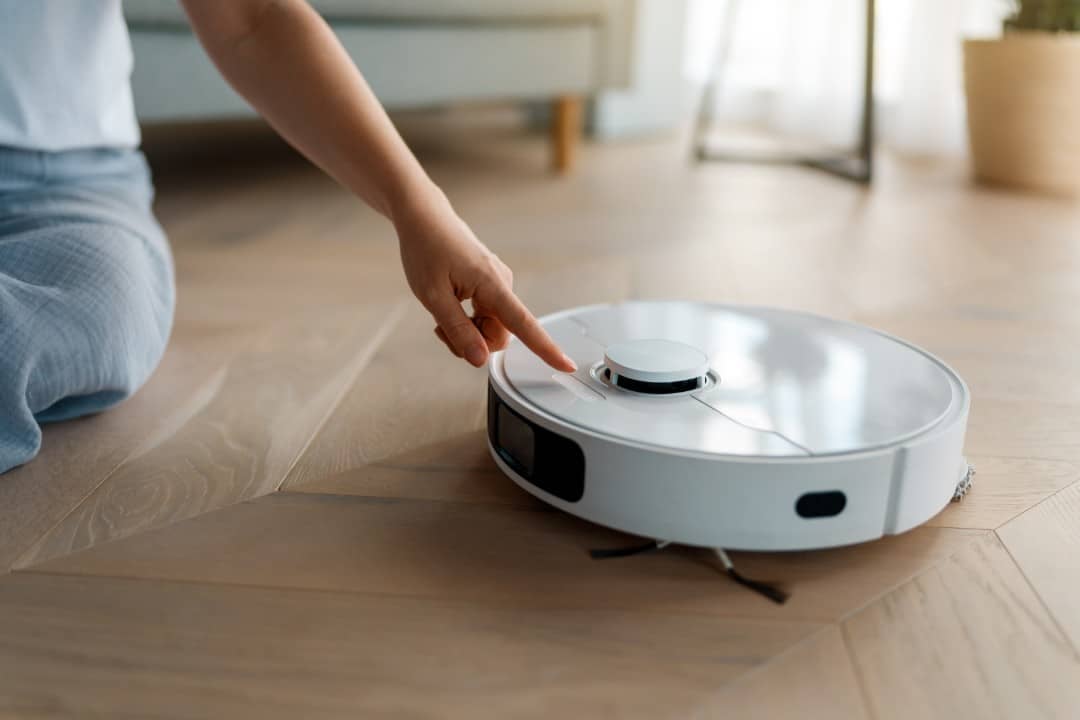
A significant security breach has been identified in the systems of the DJI Romo robot vacuum cleaner, allowing third parties to remotely access sensors from thousands of units in operation. The failure in the authentication protocol exposed sensitive data from homes in several countries, including live video broadcasts and audio captured by microphones integrated into the devices. The problem was accidentally discovered by a software engineer and reported to the manufacturer, which implemented fixes on its servers in February 2026 to mitigate risks to consumers.
The vulnerability was detected by security researcher Sammy Azdoufal during hardware integration tests with the device. When analyzing data traffic between the robot and the manufacturer’s cloud, the specialist noticed that the access credentials did not have adequate isolation validation. Isso meant that, with a single valid authentication token, it was possible to intercept the communication of other vacuum cleaners connected to the same network infrastructure, without the owners noticing the intrusion.
The incident raised immediate concerns about privacy in the home automation segment, as unauthorized access allowed viewing detailed floor plans of houses mapped by robots. Além of images and sounds, approximate geolocation information and telemetry data from devices were exposed. DJI, a leading Chinese company in the drone and robotics market, confirmed the existence of the flaw and acted to close the security breach before it could be exploited on a large scale by malicious actors.
Technical discovery of the authentication flaw
The process that led to the identification of the error began when Azdoufal tried to connect a PlayStation 5 controller to his DJI Romo to operate it manually. The engineer, who purchased the equipment for around two thousand dollars, used network monitoring tools to understand how the official application communicated with the robot. Durante this analysis, he extracted the session token generated by his own login and noticed anomalies in the server responses.
When testing the limits of this token, the researcher discovered that DJI’s backend system did not restrict access to only the device linked to that specific account. The server responded to data requests from any robot connected to the company’s global network, as long as the requester had a valid credential format. Essa configuration failure allowed Azdoufal to receive data streams from thousands of other devices, demonstrating the seriousness of the error in permissions management.
The technical analysis pointed out that the problem lay in the implementation of the MQTT protocol, widely used in Internet and Coisas (IoT) devices for lightweight and fast communication. DJI’s infrastructure allowed a user to subscribe to global messaging threads, receiving status updates and media from other users. In just a few minutes of testing, it was possible to collect more than one hundred thousand messages containing private information, proving the ease of exploiting the vulnerability.
Global impact and exposed data
The extent of the failure reached global proportions, affecting approximately seven thousand DJI Romo units distributed across 24 countries. The geographic diversity of compromised devices included users in América from Norte, Europa and Ásia, highlighting the reach of the company’s cloud infrastructure. The exhibition was not limited to technical metadata, but included elements that directly compromise the intimacy and physical security of the homes where robots operate.
Among the most critical data accessible through the breach were video feeds from navigation cameras and audio from environmental microphones. The DJI Romo uses advanced sensors, such as LiDAR and optical cameras, to create three-dimensional maps of environments, identifying furniture, obstacles and the layout of rooms. Access to these maps allows the virtual reconstruction of the interior of homes, offering detailed information about the routine and layout of users’ homes.
Digital security experts warn that this type of exposure facilitates unauthorized spying and monitoring. The ability to remotely activate the robot’s sensors turns the device into an involuntary surveillance tool. Embora Although DJI claims that the communication was encrypted via TLS, the absence of a strict authorization check on the server nullified this protection, allowing authenticated but unauthorized users to view the decrypted content.
DJI Response and Remedial Measures
After being notified about the vulnerability, DJI began an internal review of its systems at the end of January 2026. The company recognized the flaw in the MQTT broker configuration and developed a solution that was applied directly to its servers. The fixes were implemented in two main stages, on February 8th and 10th, ensuring that access to data was strictly limited to the rightful owner of each device.
The update was performed on the server-side, which eliminated the need for users to download new firmware or manually update the robot application. DJI modified the permission rules to prevent subscription to topics that do not belong to the logged in user’s unique identifier. The company assured that, after applying the patch, the exploitation demonstrated by Azdoufal was no longer possible and that additional monitoring measures were activated.
In a statement, the manufacturer emphasized that no evidence was found that the flaw had been exploited by malicious hackers before the researcher’s discovery. DJI reiterated its commitment to data security and promised to strengthen development protocols to prevent similar occurrences in the future. The speed of response was seen as positive, but the incident reignited debates about the security of connected products that rely on cloud processing.
Security challenges at Internet of Coisas
The case of the DJI Romo illustrates the ongoing challenges facing the Internet of the With global sales of domestic robots projected to exceed 20 million units annually by 2027, the amount of sensitive data traveling through corporate servers is growing exponentially. Reliance on cloud services for advanced functionality, such as artificial intelligence object recognition, creates attack vectors that need to be rigorously protected.
Consumer advocacy organizations and regulators have been pushing for stricter security standards for IoT devices. Failure to validate permissions, such as the one that occurred with DJI, represents a significant portion of the vulnerabilities reported annually. Implementing multi-factor authentication and data segmentation are recommended as essential practices to mitigate risks in connected ecosystems, especially those involving cameras and microphones within the home.
Data protection legislation, such as GDPR in Europa and similar laws in other territories, impose severe penalties for leaks of personal information. DJI, operating in a global market and under scrutiny due to its origins and technological leadership, faces the challenge of maintaining user trust while innovating. The episode serves as a warning for manufacturers to prioritize independent security audits and bug bounty programs before the commercial launch of their products.
Recommendations for connected device users
Although DJI’s fix was automatic, experts recommend that smart device owners adopt proactive stances regarding digital security. Constantly checking for software updates is the first line of defense against known vulnerabilities. Manter control applications always at the latest version ensures that security patches and functionality improvements are active.
Another important measure is the review of permissions granted to applications and devices. Desativar cameras and microphones when not in use or when the functionality is not essential can reduce the attack surface in the event of an intrusion. The use of secure and, if possible, segmented Wi-Fi networks for IoT devices prevents a compromised device from serving as a gateway to personal computers and smartphones on the same network.
Awareness of the data collected by household devices is essential. Usuários should be aware that cleaning maps and activity logs are stored on external servers. Optar by brands that offer transparency about the treatment of this information and that have a proven track record of quickly responding to security incidents is a prudent strategy for those looking to automate their homes without giving up privacy.



