
Cupertino giant plans economical MacBook and visual revolution with OLED in professional models


Apple is redefining its presence in the portable computer market with a comprehensive strategy that aims to consolidate its leadership in different consumer segments throughout this year. The company has designed a release schedule that attacks two distinct fronts: introducing more affordable devices to capture new users and robustly updating its high-performance machines. The goal is clear: expand the macOS installed base while offering cutting-edge tools for creative professionals who demand maximum graphics processing and visual fidelity.
At the center of this new phase is the implementation of the next generation of processors in the Apple Silicon family, promising leaps in energy efficiency and computational power. The industrial movement suggests that the company seeks to respond to stagnant sales in certain sectors, offering irrefutable technical arguments for hardware updates.
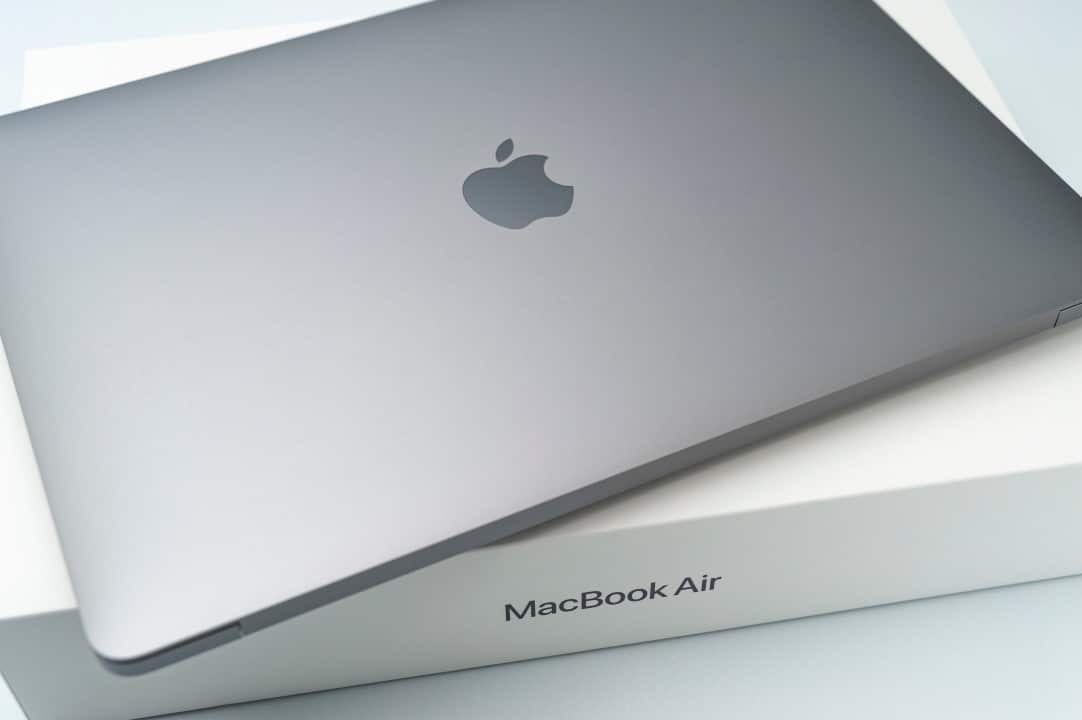
Market analysts point out that this portfolio diversification is a direct response to the aggressive competitiveness of other manufacturers, which have been gaining ground in both schools and production studios. The company’s focus is not just on technical specifications, but on deeper integration between software and new physical components, ensuring greater longevity for equipment acquired in this cycle.
Invested in the educational and corporate sector
One of the most anticipated new features is the introduction of a MacBook aimed specifically at the entry-level segment, historically dominated by low-cost Chromebooks and Windows laptops. The project aims to offer a device with an estimated price of between 700 and 800 dollars, allowing students and educational institutions to access the brand’s ecosystem without the usual financial barriers of premium models.
| モデル | メインチップ | 画面 | 推定開始価格 (相当) | 主な対象者 |
|---|---|---|---|---|
| 低価格MacBook | A18プロ | 13インチ液晶 | 699-899 | 学生と基本的な使い方 |
| MacBook Air | M5 | 13インチまたは15インチ | 999 | プレミアムモバイルユーザー |
| 標準MacBook Pro | M5プロ/マックス | 14インチまたは16インチのミニLED | 1999-3499 | 中級者向け |
| MacBook Pro OLED | M6(予定) | 14インチまたは16インチのタッチOLED | 非開示 | 一流のクリエイター |
For the Brazilian market, the arrival of a model with this price range generates mixed expectations about the actual accessibility of the product. Mesmo with the low cost proposal in foreign currency, conversion and local taxes still position the equipment at a high level, especially when considering that the minimum wage in force in 2026 is R$1,621, requiring significant financial planning on the part of national consumers.
The strategy behind this launch involves simplifying non-essential components, such as reducing complex connection ports, while maintaining only the indispensable USB-C standard. The focus remains on the efficiency of the operating system and battery durability, points that the manufacturer considers crucial to attract users looking for reliability for everyday and administrative tasks.
Significant advances with the M5 chip
In parallel with the entry-level models, the MacBook Air line will receive a substantial update with the arrival of the M5 chips, scheduled for the first quarter. Although the ultra-thin external design must be maintained, the internal changes represent an important generational leap for the brand’s processing architecture.
- The new M5 processor promises a 15% increase in CPU performance compared to the previous generation.
- Graphics capacity will increase significantly by approximately 36%, ideal for light editing and media consumption.
- Energy efficiency remains the central pillar, aiming to maintain category-leading battery life.
- Integration with artificial intelligence capabilities will be improved through a more robust Neural Engine.
This update aims to maintain the competitiveness of the brand’s most popular model against new ARM-based processors launched by competitors in the Windows environment. The 3 nanometer architecture used in the manufacture of these chips allows performance to increase without compromising temperature or operation silence, characteristics that have gained loyalty among the user base of the Air line in recent years.
Visual renewal and power in the Pro line
For the second half of the year, attention turns to the 14- and 16-inch MacBook Pro models, which will undergo the most impactful visual change since the adoption of the notch on the screen. The company plans to replace Mini-LED technology with OLED panels, delivering infinite contrast and absolute blacks, a long-standing demand from photographers, colorists and designers who rely on absolute color accuracy in their workflows.
In addition to the new display technology, these machines will be equipped with the M5 Pro and M5 Max variations. Esses processors are designed to handle complex 3D rendering, extensive code compilation and ultra-high-resolution video editing, justifying prices that start at $1,999 and can exceed $3,499 in the most advanced configurations.
The transition to OLED should also result in slightly thinner devices or with greater internal space for the battery, as this technology eliminates the backlight layer required in LCD and Mini-LED models. With this, the manufacturer hopes to deliver the definitive mobile workstation, combining the best screen on the market with the raw performance of the new silicon architecture.



