
Exclusive Ferrari LaFerrari prototype without hybrid system sells for US$ 2.4 million at auction in the USA

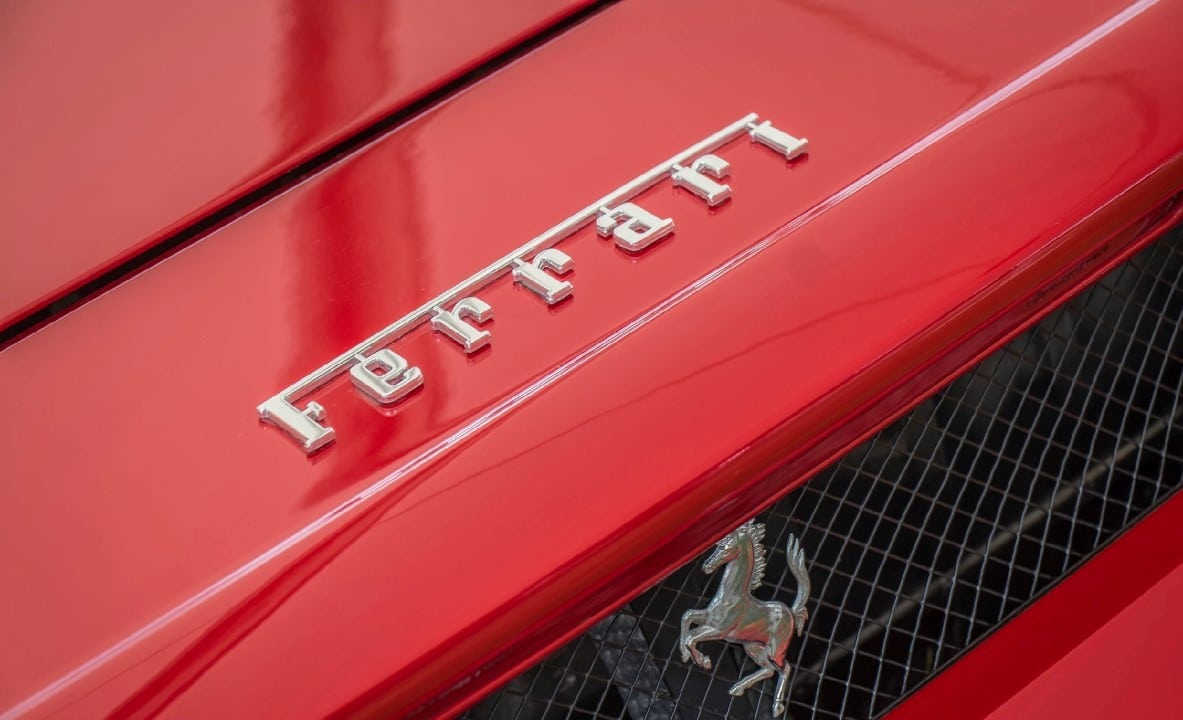
A Ferrari LaFerrari development prototype, known internally as the Proto F150-P2, was sold at an auction held at Phoenix, at Arizona, Estados Unidos. The vehicle, which is not approved for use on public roads, reached a value of US$2.425 million after competitive bids. The transaction took place during the Arizona 2026 event, organized by the auction house RM Sotheby’s, at the end of January this year.
The car in question is part of the LaFerrari testing phase, the Italian brand’s first mass-production hybrid model. Diferente of the final version sold, this prototype is equipped only with a naturally aspirated V12 engine, without the HY-KERS hybrid system that increases total power to 950 horsepower in the street edition. The absence of electrical components makes the vehicle lighter, which attracts collectors interested in unique pieces of automotive engineering.
The sale highlighted growing interest in rare items in the luxury car market. Especialistas from the sector point out that the price achieved reflects not only the exclusivity of the prototype, but also the high cost of its production, estimated at higher values than the market due to personalized components. The auction brought together buyers from different countries, consolidating the Ferrari’s position as a reference in high-performance vehicles.
Prototype details up for auction
The Proto F150-P2 represents an intermediate stage in the F150 project, the internal codename used by the Ferrari during the development of the LaFerrari. Esse model was built in 2012 and used for performance checks, including aerodynamics and stability tests at high speeds. Sua bodywork, covered in adhesive camouflage, hides a combination of Rosso red and exposed carbon fiber, materials typical of the brand’s test vehicles.
Among the unique features, the 6.2-liter F140 FD V12 engine stands out, which operates without hybrid assistance, resulting in a purer and lighter configuration. The interior features provisional elements such as a rounded steering wheel and additional electrical equipment in the passenger space for monitoring data during testing. Esses details offer a rare insight into the process of creating a hypercar.

LaFerrari development history
The LaFerrari emerged as a successor to the Enzo, incorporating hybrid technologies for the first time in a series production Ferrari. The project began in the early 2010s, with the creation of several prototypes to refine the design and performance. The Proto F150-P2 is one of the examples in the second phase of testing, focused on bodies close to the final model.
During the years of development, Ferrari produced few vehicles like this, skipping steps common to mass manufacturers such as large-scale pre-production prototypes. Isso makes items like the P2 extremely rare, with historical value beyond the mechanical. The Italian brand certified the prototype through the Ferrari Classiche, issuing a yellow book that attests to its authenticity and origins.
The auction in Arizona was not the first to involve LaFerrari prototypes, but it stood out due to the vehicle’s condition. Recent Manutenções have been carried out by Zanasi, in Maranello, ensuring the car remains functional for shows or private tracks.
Exclusive technical specifications
The prototype’s naturally aspirated V12 engine delivers an estimated power of around 800 horsepower, lower than the hybrid version, but with immediate torque and more direct response. The absence of batteries and electric motors reduces the total weight by hundreds of kilos, bringing it closer to a “superleggera” configuration. The transmission is a dual-clutch automatic, adapted for durability testing.
The carbon monocoque body, valued at around 150 million yen in parts alone, incorporates active aerodynamic elements such as adjustable flaps. Rodas and brakes are derived from components from Fórmula 1, reflecting the influence of the Ferrari racing department. Vehicle includes test stickers and switches, preserved to maintain historical integrity.
Unlike production models, the Proto F150-P2 does not have entertainment or comfort systems, prioritizing instrumentation for data collection. Sensores spread across the chassis monitored vibrations and temperatures in real time during testing.
The prototype was stored under controlled conditions after the end of its use phase, avoiding excessive wear. Sua sale included complete documentation, facilitating transfer to collectors.
Auction market and record values
The automotive auction sector has seen growth in recent years, with rare vehicles exceeding expectations. In 2025, other Ferrari prototypes, such as the M4 and M6 from the same LaFerrari line, were traded for values between US$900,000 and US$1.2 million. Esses examples illustrate the demand for development pieces, seen as investments.
Factors such as rarity and official certification drive prices. In the case of the P2, the value of US$2.425 million exceeded initial estimates, reflecting the appeal of a model with no equivalent on the market. Colecionadores value the connection with Ferrari engineering, especially on items not available to the general public.
Attractiveness to collectors
Prototypes like the Proto F150-P2 attract buyers looking for exclusivity beyond production vehicles. Esses items offer insights into innovative processes, such as the integration of hybrid technologies into Ferrari. The vehicle can be displayed in museums or private events, although it is not registrable for road use.
Maintenance of such prototypes requires authorized experts, ensuring long-term preservation. Proprietários often integrate them into themed collections, alongside iconic models such as the Enzo or the F50. The recent sale reinforces the LaFerrari’s status as a milestone in automotive history.
Global interest in rare Ferrari keeps the market hot, with annual auctions attracting high-net-worth investors. Eventos and Arizona serve as platforms for high-value transactions, with transparency in bidding processes.
Impact on the legacy of Ferrari
The Ferrari continues to innovate hypercars, with subsequent models incorporating lessons from the LaFerrari prototypes. The Proto F150-P2 exemplifies the brand’s artisanal approach, where each test vehicle is hand-built from bespoke components. Isso increases production costs, but ensures superior performance.
In the current context, with the transition to electrification, pure prototypes like this highlight the era of naturally aspirated V12 engines. The preservation of these items contributes to the heritage of Italian engineering, documenting technical evolutions. The sale of P2 demonstrates how Ferrari’s past influences its future, keeping the brand at the forefront of the sector.
Auction context at Arizona
The Arizona 2026 event brought together hundreds of classic and modern vehicles, with a focus on premium brands. RM Sotheby’s, responsible for the organization, recorded total sales exceeding tens of millions of dollars. The Ferrari prototype was one of the top batches, attracting international attention.
Participants included collectors and representatives from automotive museums. The auction took place at Phoenix local time, starting at 5pm on January 23rd. Condições sales emphasized the non-homologation of the vehicle, limiting its use to controlled environments.
Unique engine features
The prototype’s F140 FD V12 engine operates with direct injection and variable camshafts, optimized for high-speed testing. Sem hybrid support, the focus was on durability and thermal efficiency, with improved cooling systems. Componentes like pistons and crankshaft were manufactured specifically for this unit.
Tests revealed that the engine supports speeds above 9,000 rpm, with emissions controlled to development standards. The lack of energy regeneration makes the driving experience more analogue, appreciated by purists. The characteristic sound of the V12, without electrical interference, is one of the attractions for collectors.
Perspectives for future prototypes
Although Ferrari rarely releases prototypes for sale, exceptions occur when vehicles complete their use cycle. The Proto F150-P2 followed this pattern, undergoing minimal restorations before auction. Futuros models, such as LaFerrari successors, could generate similar items, fueling the secondary market.
The demand for prototypes reflects the historic value of automotive innovation. Casas auctions monitor releases from Ferrari, anticipating high-profile transactions. Esse cycle supports the collectors ecosystem, promoting the preservation of pioneering technologies.
The prototype sold includes test accessories, such as removable panels used in evaluations. Esses elements add documentary value, allowing studies on the development of the LaFerrari. Proprietários may request updates from Ferrari Classiche to maintain authenticity.
Body details and design
The carbon monocoque body of the Proto F150-P2 weighs less than the hybrid version, thanks to the elimination of battery mounts. Elementos aerodynamic features, such as diffusers and active wings, have been tested to optimize downforce at speeds above 300 km/h. Adhesive camouflage protected the design during public testing.
Internally, the cockpit prioritizes functionality, with fixed seats and temporary digital instrumentation. Controles additional features on the panel allowed real-time adjustments during shooting. The design reflects the transition from Ferrari to more organic shapes, influenced by Fórmula 1.
Valuation in the global market
Rare Ferrari vehicles consistently appreciate in value, with prototypes gaining up to 20% per year in some cases. The P2, with its unique configuration, may appreciate even more due to the scarcity of similar examples. Comparações with past sales, such as an F50 for 140 million yen, highlight the premium for development items.
Economic factors, such as currency fluctuations, influence prices in international auctions. The strong dollar in January favored foreign buyers, contributing to the final value. Analistas foresee this trend continuing, with a focus on future electrification.
Preservation and maintenance
Maintaining a prototype like the Proto F150-P2 requires partnerships with workshops authorized by Ferrari. Serviços include annual engine and chassis checks, using original parts. Zanasi, in Maranello, carried out the last review, ensuring operability.
Collectors store these vehicles in climate-controlled environments, avoiding exposure to the elements. Documentação, like the Yellow Book of Classiche, facilitates insurance and valuations. Essa approach preserves the value and historical integrity of the item.



