
Final Fantasy 7 players on Steam lose saves after update that brings modern features to the RPG

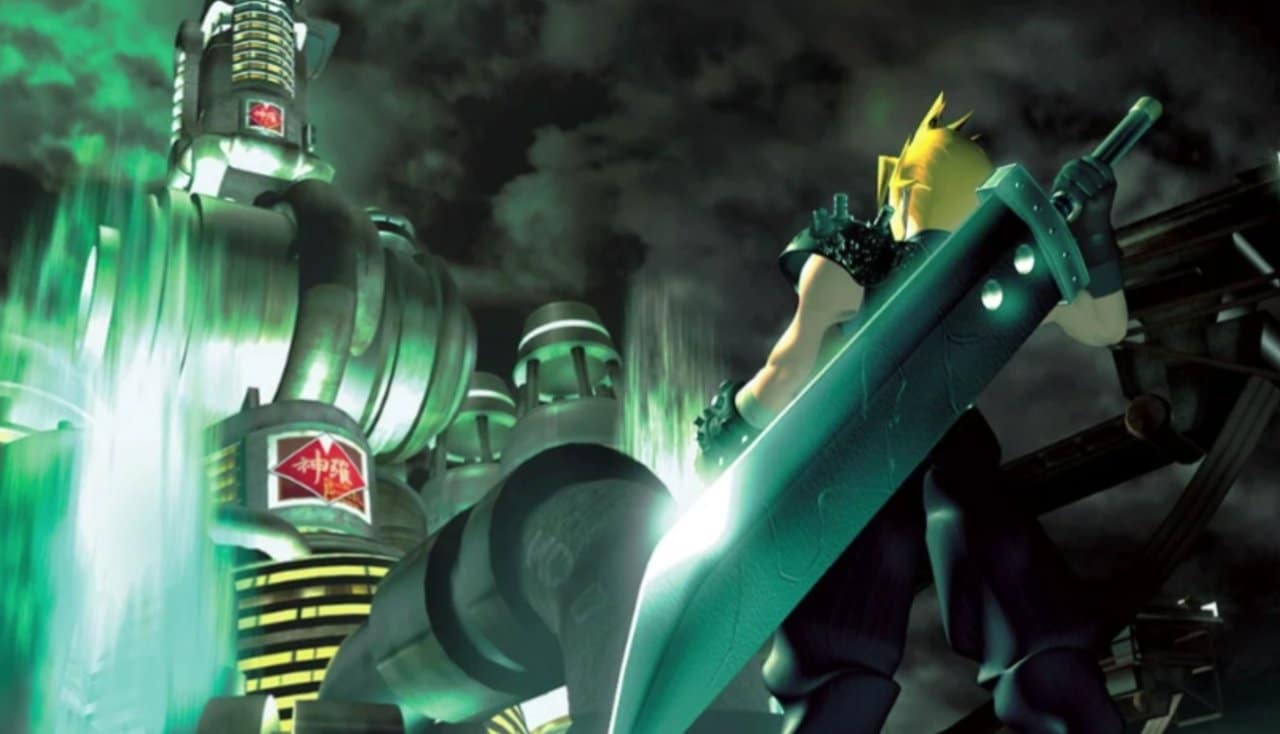
Square Enix has made a significant change to the digital infrastructure of one of its most important titles on the Steam platform. The Japanese publisher has replaced the 2013 version of Final Fantasy 7 with an updated edition, aiming to modernize the experience for current computers. The change, although it brings technical benefits and new accessibility features, resulted in the incompatibility of previously saved progress files, forcing veterans and active players to restart their campaigns if they choose to migrate to the new format available in the Valve store.
The automatic update managed by the Steam client modifies the executable files and the game’s data structure, which prevents the reading of the “save files” generated by the previous version. For consumers who recently purchased the game or who intend to revisit the 1997 classic, the new version becomes the only direct purchase option, while the old edition was removed from the main storefront, remaining accessible only in the library of those who already owned it before the mandatory transition.
This technical move reflects an effort by the developer to standardize the game’s code, aligning the PC version with the most recent re-releases seen on modern consoles and mobile devices. The incompatibility generated raises discussions about the preservation of user data in digital ecosystems, where software updates can inadvertently render dozens of hours of investment by players useless.
File incompatibility and impact on progress
The core of the controversy involves the architecture of the save files. The 2013 version used a different cloud and local encoding system than the one implemented in the new update. When installing the new package, the game no longer recognizes the folder where the old progress was stored. Embora the files are not necessarily deleted from the user’s hard drive, the new application does not have the native tools to convert or read them, creating an immediate technical barrier.
To overcome the situation, the gaming community has already started investigating manual data transfer and conversion methods, but there is no official solution offered by Square Enix within the game interface. The company prioritized the stability of the new “build”, which operates under different synchronization parameters with the Steam cloud, ensuring a more robust connection, but segregated from the previous ecosystem.
Players who were in the middle of a campaign now face a dilemma: keep installing the old version, giving up technical improvements and bug fixes, or migrate to the updated version and accept the loss of narrative progress. The situation is particularly sensitive in RPGs (Role-Playing Games), a genre known for demanding long hours of dedication to character development and world exploration.
New features and quality of life improvements
The new edition of Final Fantasy 7 is not limited to just structural file changes; it introduces a series of tools known as “quality of life”, designed to make gameplay more fluid and adapted to the rhythm of contemporary players. Estas features, which were already present in versions for consoles such as PlayStation 4, Nintendo Switch and Xbox, now officially reach the PC environment without the need for third-party modifications.
Among the main technical and gameplay additions implemented by the development team, the following stand out:
– Modo speed acceleration (3x), allowing exploration and battles to occur faster;
– Opção to disable random encounters on the map, making it easier to navigate dangerous areas when the player just wants to advance the story;
– Recurso battle enhancement, which restores characters’ health and limit bar instantly;
– Suporte to higher screen resolutions and compatibility fixes with recent operating systems like Windows 11.
These tools are optional and can be activated or deactivated at any time during the game, offering flexibility both for those who want the original, challenging experience and for those who just want to revisit the narrative without the time barriers typical of games from the 90s. The native inclusion of these features eliminates dependence on external “mods”, which often caused instability in the original executable.
Historical context and digital preservation
The original release of Final Fantasy 7 for PC took place in 1998, a year after its debut on PlayStation. Aquela version, distributed on CD-ROMs, became notorious for its compatibility problems and the soundtrack in MIDI format of lower quality than the console. In 2012, Square Enix re-released the game digitally with audio corrections and achievement support, a basis that was used for the 2013 version Steam until the time of this new update.
The decision to replace the old executable with new code reflects the need to keep the product commercially viable and functional on hardware that has evolved drastically over the last two decades. Manter legacy software running on new processor and video card architectures requires constant updates, and the unification of versions facilitates long-term technical support from the publisher.
However, preserving the original experience remains a topic of debate. The complete replacement of the product in the digital store means that new buyers will not have access to the 2013 version, creating a disruption in the game’s update timeline. Especialistas in game preservation argue that, ideally, digital stores should offer multiple versions of the same title, allowing the user to choose between the most stable and modern edition or the historical version, with all its peculiarities and original file compatibility.
Continued Relevance of the Franchise
The Final Fantasy 7 update comes at a strategic time for Square Enix, coinciding with the renewed interest generated by the trilogy’s Remake project. Enquanto the new games reimagine the story with cutting-edge graphics and real-time combat systems, the original 1997 version remains a fundamental piece for the complete understanding of the universe and the narrative subversions proposed in modern titles.
Making the classic game easier to access, removing barriers to entry such as the slow pace of battles and incompatibility with modern monitors, serves as a gateway for new fans. The company seeks to capitalize on the curiosity of the public who discovered the franchise through the remakes and want to experience the primary source story of Cloud Strife and Sephiroth.
Maintaining the classic catalog is a source of recurring revenue for the publisher, which continues to see impressive sales figures for titles released more than 25 years ago. The modernization of the PC port ensures that Final Fantasy 7 continues to be an attractive product on digital storefronts, competing for attention even against releases that use far superior visual technologies, proving the longevity of the Japanese RPG’s design and narrative.



