
Former driver Ralf Schumacher responds to Verstappen’s criticism and supports changes to Formula 1 engines

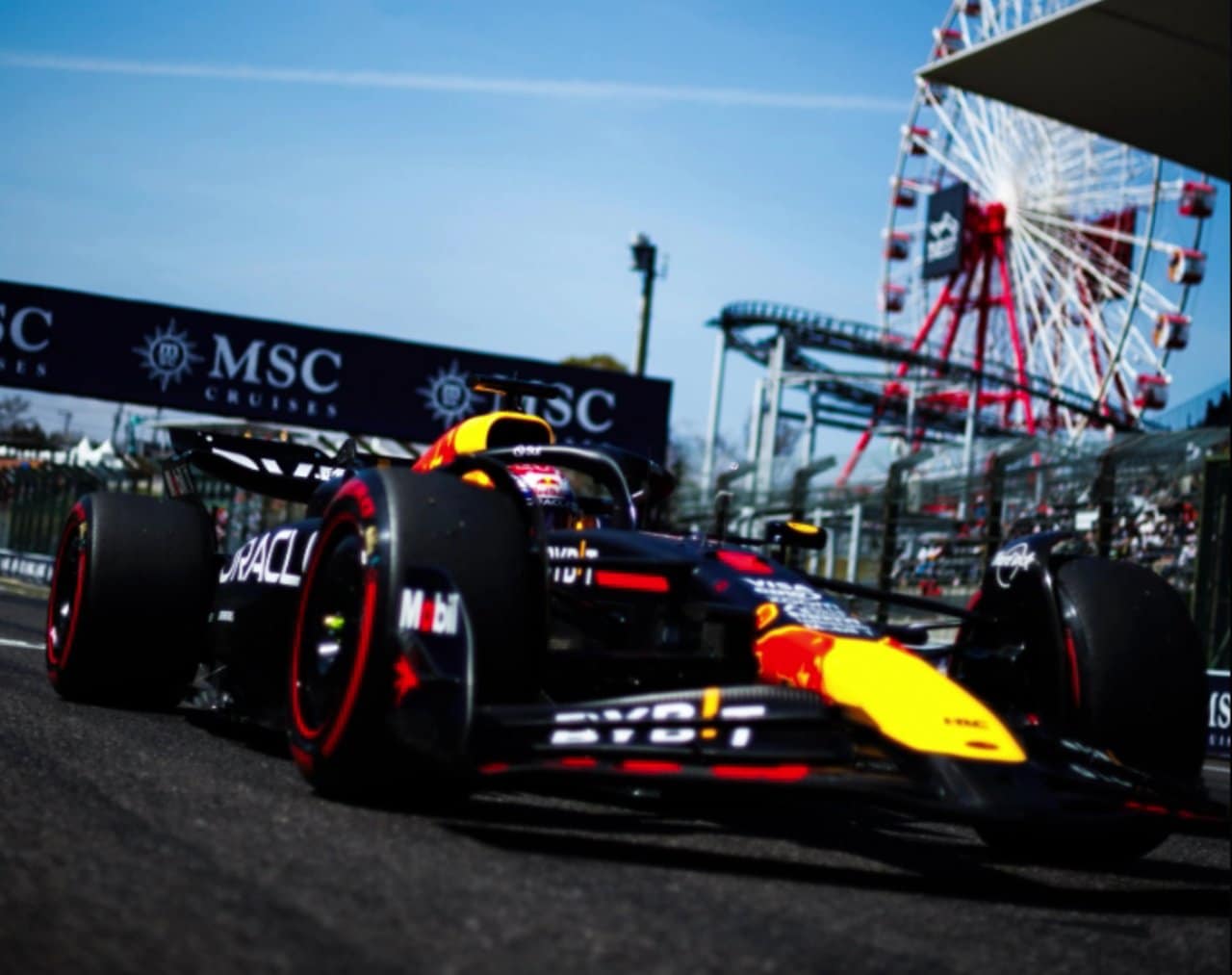
The debate over the technical guidelines that will shape the future of the main category of world motorsport continues to generate significant divergences between historical figures and current protagonists on the track. Recentemente, discussion raged around the new power units scheduled to debut soon, with contrasting opinions on the viability and impact of these changes on the sport.
Ralf Schumacher, former driver and current commentator, took a firm stance in favor of the new regulations, opposing the critical stance adopted by the current world champion. The defense of the new rules is based on the need to maintain relevant competition for the global automotive industry, which is undergoing an irreversible transition to cleaner and more efficient technologies.

The vision presented suggests that resistance to change, often voiced by teams facing challenges in developing their own drivers, can be harmful to the image of the sport. The Fórmula 1 has always functioned as a high-speed laboratory for innovations that eventually reach street cars, and distancing itself from that mission could isolate the category.
Relevance to the automotive industry
The transition to more efficient and sustainable engines is seen as a fundamental step to ensuring the permanence of large automakers on the grid. Sem the direct connection between track technology and mass production, the commercial interest of manufacturers tends to decrease, putting the financial health of the teams and the championship organization itself at risk.
For defenders of the new regulation, technical evolution is not just an option, but a requirement for long-term survival. The increase in electrification and the use of synthetic fuels are pillars that justify the billion-dollar investments made by the brands involved. If the category chose to maintain obsolete technologies just to satisfy purists or facilitate current engineering, it would lose its status as the pinnacle of automotive development.
The central argument is that Fórmula 1 needs to mirror global mobility trends. By aligning sports regulations with corporate sustainability goals, sport ensures its continuity and attractiveness for new commercial and technological partners seeking global visibility platforms.
Impact on attracting new automakers
The confirmation of Audi’s entry as an official supplier of power units and the renewed interest of Honda are concrete proof that the path chosen by the international federation is correct. Essas large corporations conditioned their participation precisely on the implementation of rules that favored research into advanced hybrid technologies.
If the old rules were maintained just to please drivers who prefer the sound of purely combustion engines, it is likely that the grid would suffer a stampede of manufacturers. The presence of iconic brands strengthens the championship and brings a level of investment and professionalism that benefits all competitors, including those who today criticize the changes.
The strategy of attracting giants from the automotive sector is vital to the sports economy. The involvement of these companies goes beyond supplying engines; it drives the development of infrastructure, marketing and technology that spreads across the competition ecosystem, ensuring jobs and continuous innovation.
Risks of product devaluation
The public and constant criticism made by renowned pilots, such as Max Verstappen, are viewed with concern by market analysts. Comentários Negatives coming from within the paddock can create a perception of instability and devalue the product among investors and sponsors who seek to associate their brands with a positive and progressive environment.
Ralf Schumacher warned that this negative stance, often motivated by momentary technical difficulties of specific teams, can have real commercial consequences. By questioning the technical direction of the sport, drivers may inadvertently alienate partners who see the new regulations as a business and development opportunity.
Fórmula 1 is, ultimately, a business that depends on the trust of its stakeholders. Manter an aligned and constructive discourse is essential to ensure that the transition to the new era of engines occurs smoothly, ensuring that the spectacle on the track remains financially viable and technologically relevant to the modern world.





