
Forza Horizon 6 confirms hundreds of new cars and focuses on Japanese automotive culture in new list

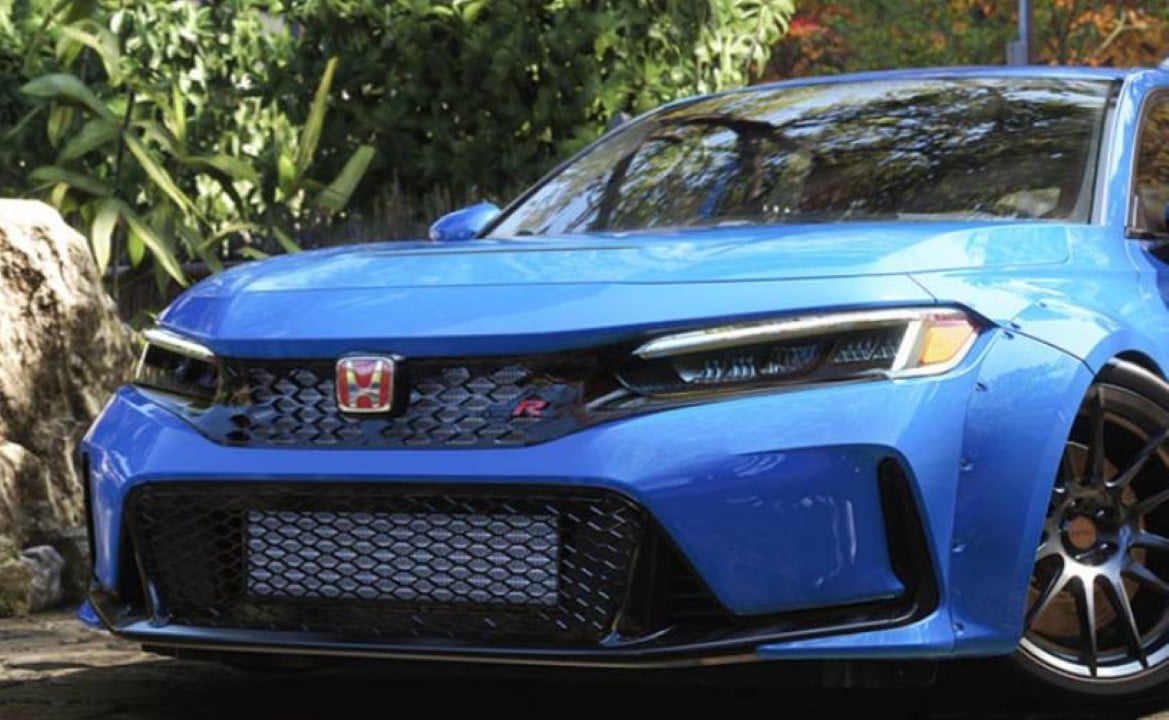
Developer Playground Games has officially released preliminary details about the next chapter of its acclaimed open-world racing franchise, confirming long-standing speculation about the setting and scope of the project. The studio has revealed an impressive catalog that will be available at launch, scheduled for May 19th, featuring a massive collection of 550 detailed models. The new entry in the series promises to take a deep dive into global and regional automotive electrification, setting a new standard for the genre.
Among the most anticipated new features by simulation and arcade enthusiasts, the confirmation includes more than 100 new vehicles that had never previously appeared in the franchise. Essa significant addition aims to ensure a renewed experience for both veterans and new players who will access the title through Game Pass and the standard versions. The company’s strategy reinforces its commitment to keeping the car library updated and relevant in the face of new market technologies.

The focus of this edition is clearly balanced between historical preservation and modern technical innovation, reflecting the cultural duality of the location chosen for the festival. The selection of machines was meticulously made to reflect the diversity of Japanese roads and landscapes, which will serve as the stage for the races. Desde From the capital’s express highways designed for high speeds to winding mountain passes, players will be able to explore an environment that respects the local motorsport legacy while introducing the latest global performance engineering.
The development team highlighted that the strategy for this launch goes beyond the simple quantity of vehicles, focusing on the quality of the fleet’s evolution. The goal is to allow enthusiasts to experience the transition from icons of the past to modern engineering monsters by tracing an interactive timeline through gameplay. Map exploration and campaign progression will function as an environmental narrative, where each unlocked car tells a part of the “Horizon Saga” story.
Hegemony of Japanese automakers and local legends
As expected given the Asian setting, local manufacturers receive unprecedented prominence in the history of the franchise, consolidating Japão as the beating heart of this new title. The revealed list ranges from absolute classics to the most recent innovations, demonstrating the vast influence of Japanese industry on the global stage.
The Toyota is present with a timeline that stretches from the legendary 2000GT, manufactured in 1969, to modern iterations of the Gazoo Racing division, such as the GR Yaris and the GR86. Essa selection not only celebrates the brand’s heritage, but also highlights its dominant presence in today’s market for affordable, high-performance sports cars.
The Nissan also figures prominently, offering a robust selection that unites the Skyline and Z lines. Iconic Modelos such as the Fairlady Z432 and the classic Skyline 2000GT-R, affectionately nicknamed “Hakosuka”, will be available to ride. Eles will be joined by the latest versions, including the GT-R Nismo and the new Z, allowing gamers to feel the evolution of performance across generations on the same track.
Other giants like Honda and Mazda guarantee their space with vehicles that defined eras. The inclusion of the NSX-R and Civic Type R models demonstrates the surgical precision of the Honda, while the Mazda carries forward its rotary engineering legacy, culminating in the RX-7 and its spiritual successors. Essa wide range of domestic vehicles serves to complement the game’s atmosphere, offering authentic cultural immersion.
The culture of the Kei Cars and historical compacts
In addition to high-powered machines, the game introduces a category that is synonymous with urban mobility in Japão: the Kei Cars and historic compacts. The inclusion of these models responds to a long-standing desire among the community for vehicles that represent everyday life and the creativity of Japanese engineering on smaller scales.
- The Honda City E II and the Honda Beat are present as representatives of agile compacts.
- The Suzuki Cappuccino returns, offering the classic experience of a tiny but fun roadster.
- The Autozam AZ-1, with its gullwing doors, stands out as an icon of the Japanese bubble economy era.
These smaller vehicles aren’t just aesthetic curiosities; They play a key role in navigating dense urban areas and narrow map routes. The game’s physics have been adjusted so that driving these models, which prioritize lightness and maneuverability over brute strength, is rewarding and competitive within their specific categories.
European super sports and the Italian elite
Despite the strong focus on domestic culture, the title maintains its tradition of offering the pinnacle of European luxury and speed. The confirmed car lineup reaffirms the ongoing partnership with leading design and performance houses at Itália and Reino Unido.
The Ferrari presents a collection that travels through time, from the classic elegance of the 275 GTB4 to the modern brutality of the 488 Pista. The technical highlight is the FXX-K model, a track machine that represents the pinnacle of Maranello technology, offering players the chance to pilot a vehicle that, in the real world, is restricted to a select few.
The Lamborghini continues its long-standing partnership with the franchise, bringing models that challenge the limits of design and aerodynamics. The Huracán STO and the Terzo Millennio electric concept are confirmed, alongside the Urus SUV, ensuring versatility for different terrains. The presence of the Lamborghini SCV12, developed specifically for circuits, ensures that fans of the brand have access to the most exclusive in terms of power and exclusivity.
Other prestigious European manufacturers also make up the grid, ensuring a diversity of riding styles. The mix of futuristic concepts with timeless classics allows the contrast between the past and the future of motorsport to be experienced directly on the virtual highways of Japão.
Terrain adaptation and extreme customization
The geography of Japão, which ranges from densely populated urban areas to unforgiving off-road trails, required the inclusion of specialized vehicles. Para dealing with the mountains and forests, the game introduces rugged UTVs like the Can-Am Maverick X RS Turbo R and the Polaris RZR Pro XP Esses vehicles were specifically chosen to allow access to remote areas of the map that would be impassable for conventional cars.
Finally, the Japanese modification culture, known worldwide, was deeply integrated into the game system. “Drift” and visual customization received special attention, with suspension adjustment systems aimed at the practice of controlled skidding. The inclusion of widebody kits and customization options inspired by the Fórmula Drift and the Toyota Supra MkIV ensure the tuning community has the tools they need to express their mechanical and aesthetic creativity.



