
Mark Ruffalo criticizes James Cameron and points out contradiction in debate over sale of Warner Bros

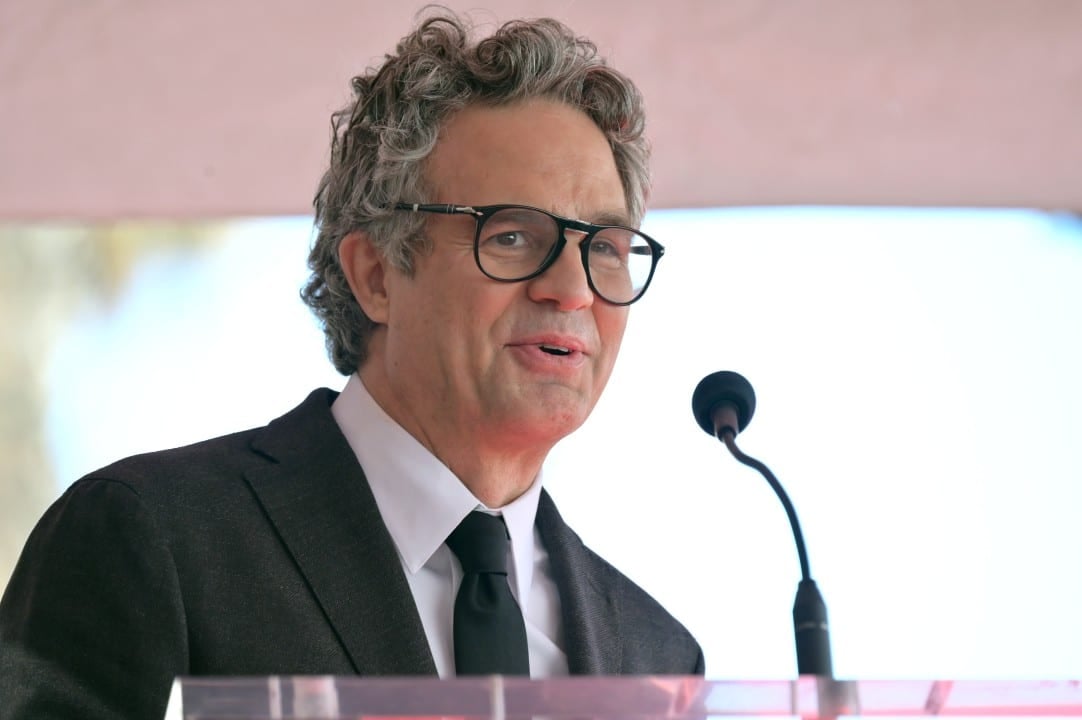
Actor Mark Ruffalo used his social networks to publicly question the position of filmmaker James Cameron in relation to negotiations involving Warner Bros Discovery. The controversy arose after Cameron sent a letter to senator Mike Lee, in which he warned about the risks of acquiring the company by The debate exposes internal divisions in Hollywood over the balance between streaming and traditional cinema in the face of a transaction valued at around 83 billion dollars.
The central discussion revolves around the preservation of the cinematographic exhibition model and the protection of the workforce in the audiovisual sector. Enquanto as the streaming giant’s proposal moves forward, important figures in the industry are seeking guarantees that the production of films for the big screen will not be suppressed in favor of exclusively digital releases.
Disagreements about the distribution model
In his communication to Senado, James Cameron emphasized that accelerated integration with streaming could result in significant job losses and the closure of movie theaters. The director of globally successful franchises defended the maintenance of traditional release windows and warned of the negative impacts on the audiovisual exports of Estados Unidos, predicting a cascade effect that would reach everything from visual effects companies to the physical distribution chain.
Ruffalo, in turn, demanded coherence in his speech, arguing that the concentration of power would be equally harmful if the merger occurred with Paramount Skydance. The actor highlighted the need for immediate clarity for the film community, suggesting that antitrust scrutiny should not be selective, but rather applied with the same rigor to any major consolidation that threatens the diversity of options in the entertainment market.
Offer structure and commitments made
The acquisition proposal presented by Netflix involves the incorporation of the Warner studios, the HBO Max platform and several iconic franchises, with the promise of maintaining theatrical release windows. The agreement provides for the separation of Warner Bros Discovery’s linear networks, which would form a new independent company. The main points of the deal include:
– Netflix would pay $27.75 per share of Warner Bros Discovery, totaling an enterprise value of approximately $83 billion.
– The premium asset package includes HBO, film and television studios, as well as a vast historical catalog of films and series.
– The transaction structure was designed for full payment in cash, aiming to offer greater security and liquidity to Warner shareholders.
– Existe a commitment made by the streaming platform to preserve 45-day periods for the exclusive screening of major productions in cinemas after the purchase is completed.
Regulatory analysis and corporate scenario
Departamento of Justiça and the FTC (Commission Federal of Legisladores Republicans have also called for scrutiny of the antitrust impact, while filmmakers and producers have sent petitions to
Internally, Warner Bros Discovery employees demonstrated a preference for the Netflix model compared to the total acquisition by Paramount, indicating that the hybrid structure between cinema and digital would be more advantageous. A shareholder vote is scheduled for March 2026, with the company’s board recommending approval of the deal. Caso receives regulatory approval, the closing of the operation should occur throughout the year, redefining the global media landscape.



