
Technical change in Final Fantasy 7 on Steam requires campaigns to be restarted and brings new functions

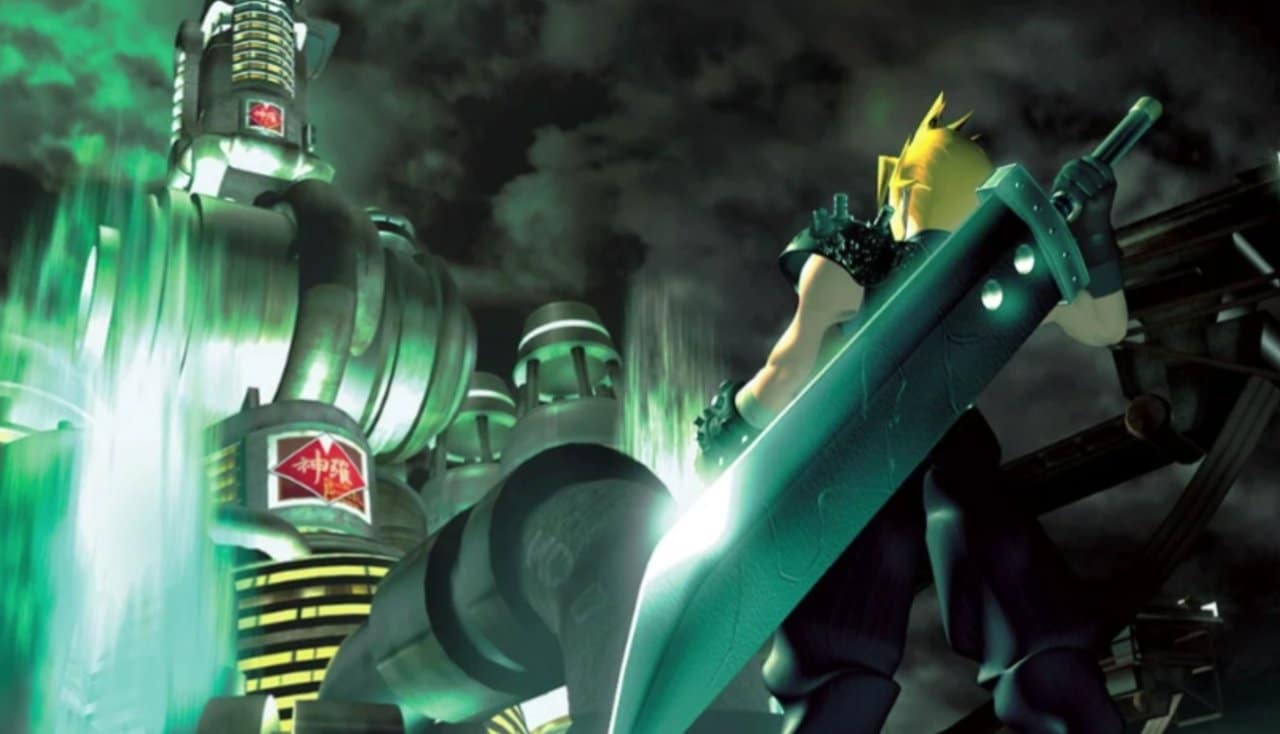
Square Enix implemented a deep structural update to the computer version of Final Fantasy 7, a classic of the RPG genre originally released in the 90s. The modification, applied directly to the Steam platform, replaced the edition’s infrastructure made available in 2013 with a modernized version, in line with recent re-releases for consoles. The technical move resulted in the automatic incompatibility of progress files saved in the previous version, affecting both veterans who kept old files and players who recently started their journeys.
This forced change to the game’s executable generated an immediate technical barrier to the installed user base. Consumidores who try to access their old data discover that the new client does not recognize the folder structure or encoding of the previous save files. The Japanese publisher chose to remove the old version from the main storefront of the Valve store, making the new edition the only purchasing option for new interested parties, while the previous version remains accessible only in the library of those who already owned it before the mandatory transition.
The scenario highlights a recurring debate about data preservation in closed digital ecosystems, where software updates aim for general improvements but may disregard the user’s time investment. The update brings tangible benefits and features requested by the community, but the cost of migration involves the potential loss of dozens of hours of narrative dedication and character evolution.
Impact on data infrastructure and community reaction
The root of the compatibility issue lies in the architecture of the save files and communication with the cloud. The 2013 version operated with a local coding and synchronization system that fundamentally differs from the new update’s protocols. When updating the game, the software stops reading the directory where old progress was stored. Embora files are not necessarily deleted from the hard drive, the absence of a native conversion tool makes them unusable within the new interface.
Given the absence of an official solution from Square Enix, the gaming community began independent efforts to mitigate the problem:
– Investigação of manual methods for transferring data between versions;
– Criação of tutorials on forums to locate and backup old files;
– Discussões on the feasibility of maintaining the old installation to complete ongoing campaigns;
– Análise technique of differences between executables to understand conversion limitations.
The company prioritized the stability of the new “build”, which offers a more robust and modern connection, but segregated from the previous ecosystem. Jogadores assets face the dilemma of continuing in the obsolete version, foregoing bug fixes and improvements, or migrating to the updated version and accepting the narrative restart. In role-playing games, where attribute development and exploration are central, this technical disruption is particularly sensitive.
Implementation of quality of life resources
Despite the inconveniences related to save files, the new edition introduces significant “quality of life” tools, designed to adapt the 1997 experience to current consumption patterns. Estas features, previously exclusive to the PlayStation 4 versions, Xbox and Nintendo Switch, are now natively integrated into the PC code, eliminating the need for third-party modifications that often caused system instability.
Among the main technical innovations that aim to streamline gameplay, the inclusion of a three-fold speed acceleration mode stands out, allowing battles and movement around the map to occur much faster. Outra A relevant addition is the option to disable random encounters, making it easier to navigate hostile areas when the player wants to focus solely on the story or return to previously visited locations without constant interruptions.
Additionally, a battle enhancement feature has been implemented that instantly restores characters’ health and limit bar, offering an alternative to overcoming difficulty spikes without the need for excessive grinding. The update also covers compatibility improvements with modern operating systems, such as Windows 11, and support for higher screen resolutions, ensuring the game’s visuals suit contemporary monitors.
Historical context and commercial strategy
The trajectory of Final Fantasy 7 on the PC has been marked by several iterations since its original release in 1998. The first version, distributed physically, suffered from MIDI audio and hardware compatibility problems. The 2012 digital re-release, which served as the basis for the 2013 version Steam, corrected some of these problems, but the infrastructure has aged given the evolution of processors and video cards over the last two decades.
The decision to replace the old code with a new one reflects the business need to keep the product functional and attractive on digital storefronts. Unifying versions facilitates long-term technical support and ensures that the title continues to generate recurring revenue, competing for attention even against releases that use cutting-edge visual technologies. The modernization of the “port” is a strategy to ensure the longevity of the Japanese RPG’s design and narrative in the computer market.
Game preservation experts, however, argue that complete replacement creates a disruption in the product’s timeline. The inability for new buyers to purchase the 2013 version raises questions about access to the history of updates and the peculiarities of each edition. The ideal, according to preservation advocates, would be for digital stores to offer multiple versions, allowing the choice between modern stability and the original experience.
Synergy with the Remake project
The timing of the update strategically coincides with the renewed interest generated by the Remake trilogy of Final Fantasy 7.
By removing barriers to entry such as the slow pace of turn-based battles and technical incompatibility, the publisher seeks to capitalize on the curiosity of new fans. The goal is to facilitate access to the primary source of the history of Cloud Strife and Sephiroth, transforming the classic game into an accessible gateway for those who only knew the franchise through its modern iterations. Maintaining the legacy catalog proves essential for the sustainability of the brand and the continued engagement of the fan base.



