
Toyota Hiace renewal brings modern design and focus on protection to compete with luxury minivans

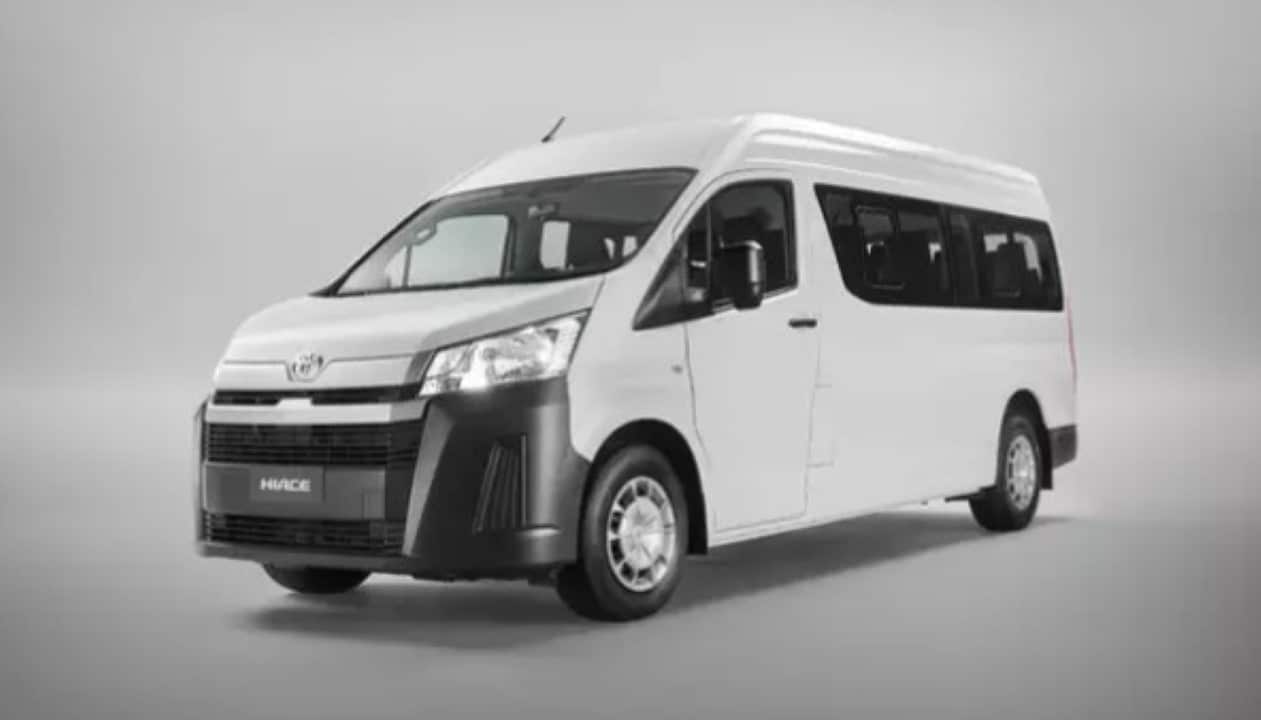
Toyota has confirmed a strategic update for one of its most iconic commercial vehicles, aiming to maintain hegemony in the global transport and logistics segment. The Japanese manufacturer revealed details about the new line, which will arrive at Japão dealerships in February, bringing significant improvements in aesthetics and driving assistance systems. The movement seeks to meet long-standing demands from owners and fleet owners who use the model daily and demand greater reliability.
Originally launched in 2004, the current generation of the Série 200 completes 22 years on the market with impressive resilience, remaining relevant despite the project’s age. Para this restyling, the automaker applied specific changes to the front grille and bumper, giving it a more robust appearance and in line with the brand’s contemporary visual identity. Essas changes aim to modernize the utility without losing the functionality that has established it over the last two decades.
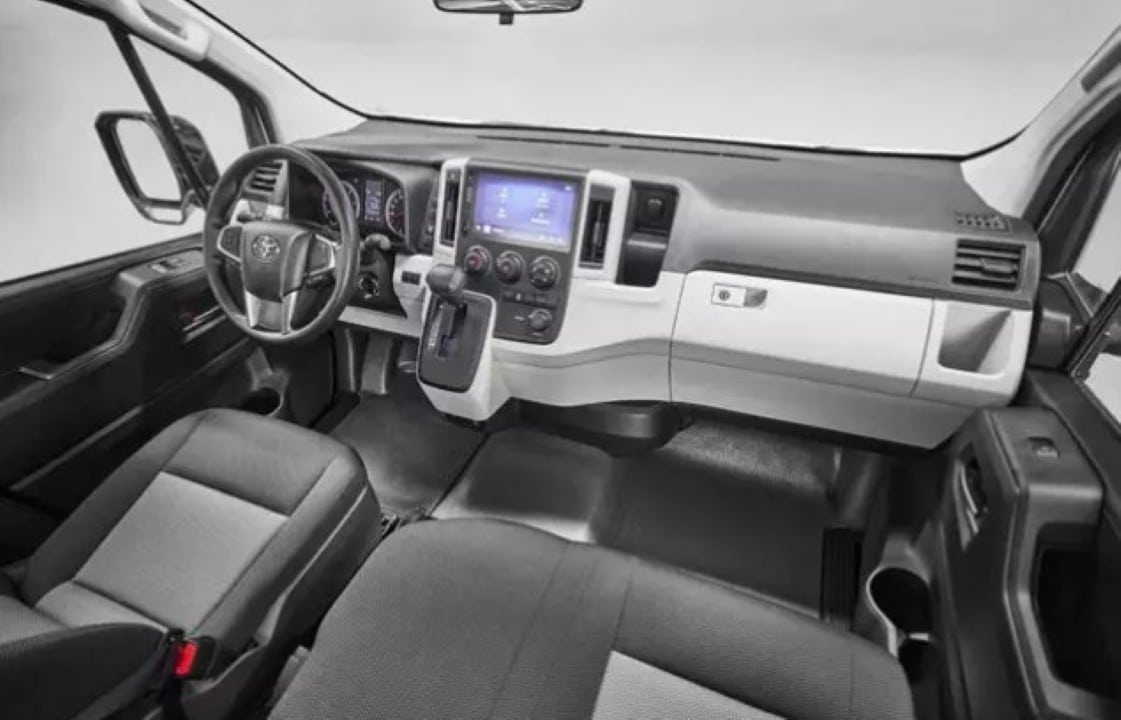
Technological evolution and reinforced security
The main focus of this update is on improving the active safety package, essential for a vehicle with intense use in large cities. The integration of new technologies seeks to reduce the rate of accidents and protect both occupants, pedestrians and cyclists in urban traffic. Improvements implemented include:
– Atualização of Toyota Safety Sense system sensors for early detection of dangers;
– Renovação of the front design to convey greater sophistication;
– Ajustes in internal connectivity to facilitate the work routine;
– Reforço in driving assistants for support on long journeys.
The decision to invest heavily in safety reflects a change in behavior in the light commercial vehicle market, where protection has become a decisive purchasing factor, equal to load capacity and mechanical durability.
Tough dispute with passenger models
The company’s strategy goes beyond purely commercial use, positioning top-of-the-line versions as viable alternatives to high-end passenger vehicles. The intention is to offer a level of refinement that allows the utility vehicle to compete directly with established minivans, such as the Toyota Alphard, attracting consumers who seek superior interior space without giving up certain amenities. Essa rapprochement between segments reflects a market trend where versatility is the main factor of choice.
Industry experts point out that the model’s longevity, combined with these constant updates, creates a rare phenomenon in the automotive industry. Enquanto Most vehicles change generation every six or seven years, the Japanese van manages to sustain high sales volumes through continuous evolution, proving that a well-executed project can span decades while keeping its fan base and corporate customers loyal.



