
Violence in Mexico after death of El Mencho causes suspension of women’s game amid clashes

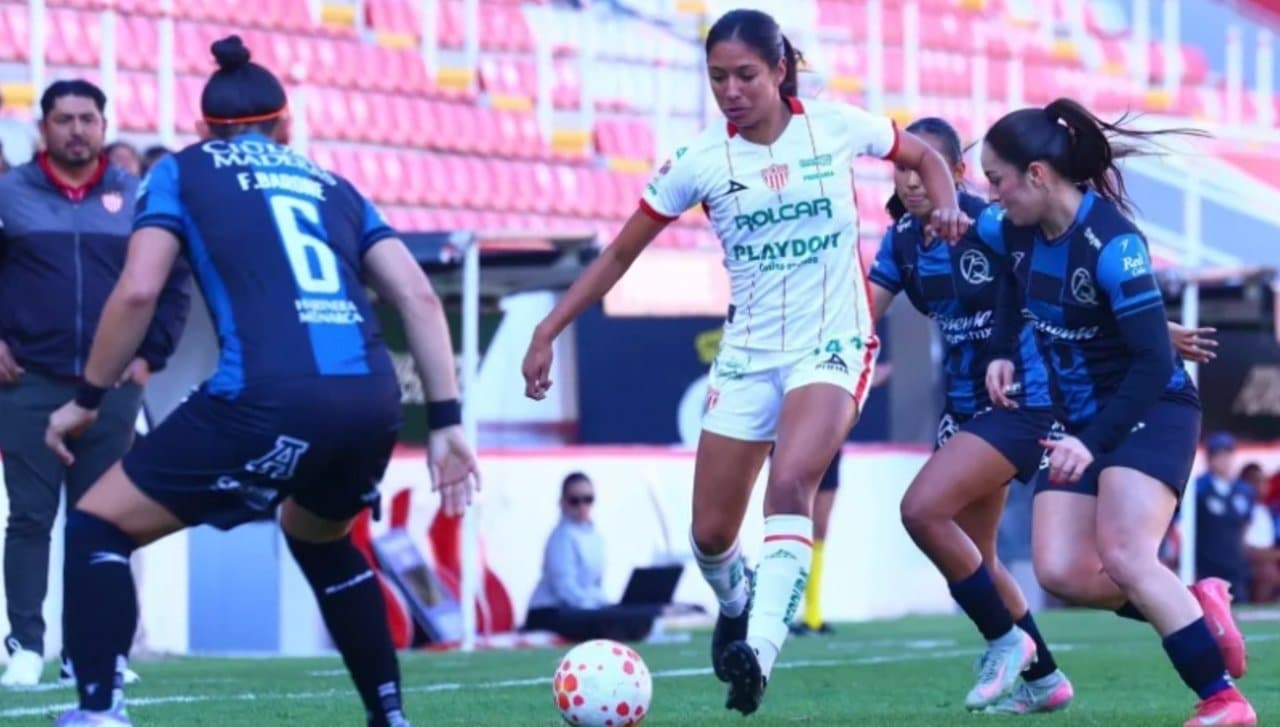
The escalation of armed clashes in the vicinity of Guadalajara, one of the host cities of Copa of Mundo in 2026, was triggered by a military operation carried out last Sunday, February 22nd. The actions resulted in the death of Nemesio Oseguera Cervantes, known as “El Mencho”, leader of the powerful Cartel Jalisco Nova Geração (CJNG). The repercussion of the incidents generated a climate of tension in several regions of the country.
The death of “El The 60-year-old leader was considered the main strategist behind the cartel’s operations, which became one of the most influential and violent in the México.
The impact of violence was immediately felt in everyday events. A women’s football match between teams from Necaxa and Queretaro, played in Aguascalientes, has been temporarily suspended. Jogadoras and the technical committee left the Estádio Victoria pitch when they heard the sound of possible gunshots coming from outside the sports square, causing moments of apprehension before the game was later resumed.
Military operation and the death of the leader
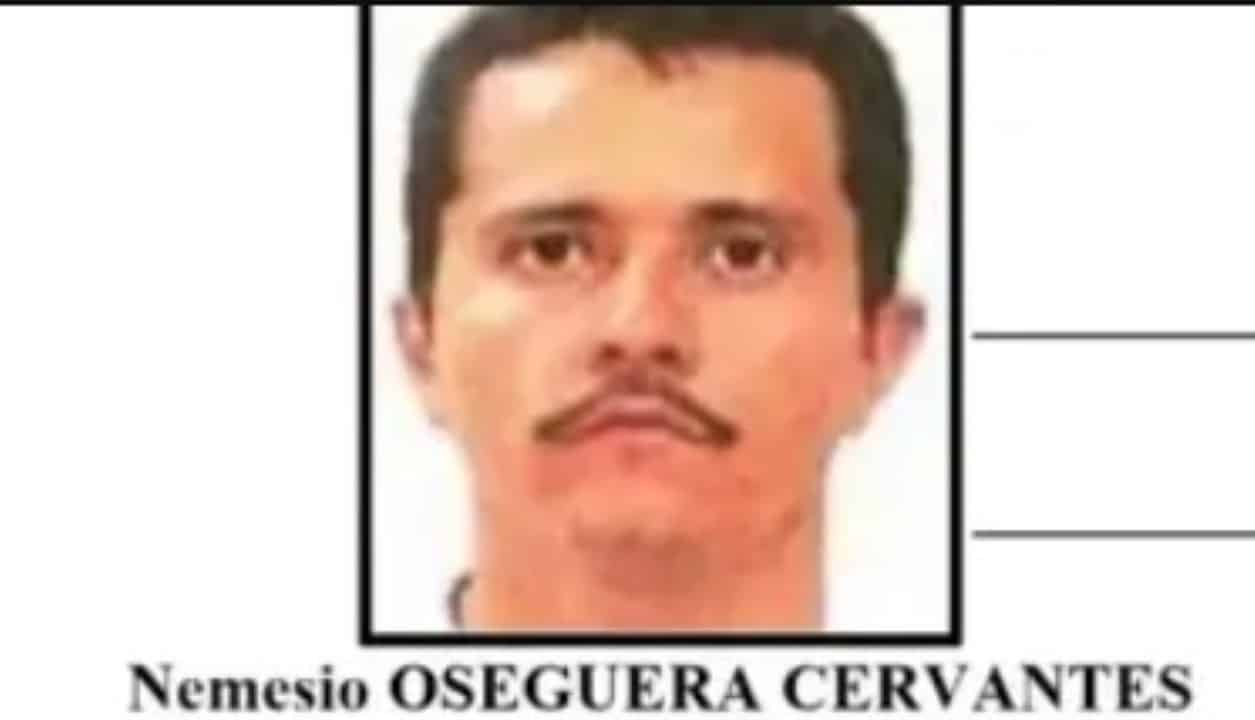
The offensive that culminated in the death of Nemesio Oseguera Cervantes was carefully planned and executed by members of the Mexican Exército. The operation focused on dismantling the Cartel Jalisco Nova Geração leadership structure, considered one of the biggest challenges to national public security.
Direct clashes between cartel members and government forces were intense. Segundo information from Secretaria from Defesa Nacional from
Immediate repercussions on Mexican sport
The suspension of the game between Necaxa and Queretaro is just one of the signs of the profound repercussions that the death of “El Mencho” had on the Mexican sports scene. The atmosphere of instability raised concerns regarding the safety of athletes and the public at large events.
Other events, such as tennis’ Mexican Open, have faced pressure to be canceled or postponed, although organizers have opted to maintain the schedule. The Mexican football team also saw a friendly match become uncertain, reflecting caution in the face of escalating violence.
The city of Local and federal authorities are on high alert to mitigate risks and reassure the international community.
Scale of violence and blockades in states
The military operation and the death of “El Mencho” triggered a series of violent events that quickly spread across several regions. The state of Jalisco, the epicenter of the clashes, recorded roadblocks and vehicle fires by suspected cartel members.
In addition to Jalisco, the wave of violence extended to other neighboring states, such as Michoacán and Guanajuato, demonstrating the response and retaliation capacity of Cartel Jalisco Nova Geração. Estabelecimentos commercial buildings were set on fire and there were direct clashes with authorities in more than half a dozen states.
The criminals’ coordinated actions aimed to create a climate of chaos and destabilization, a common tactic to demonstrate strength and hinder the actions of security forces. The intensity of the incidents required a quick and forceful response from the federal government to try to regain control.
The local population was directly affected by the blockades and fires, with traffic disrupted and commerce hampered. Fear and uncertainty have settled in communities that already deal with the influence of drug trafficking on a daily basis.
The profile of Nemesio Oseguera and Cartel Jalisco Nova Geração
Nemesio Oseguera Cervantes, before becoming the feared “El Sob its leadership, the Cartel Jalisco Nova Geração (CJNG) rose rapidly, consolidating its power through a combination of extreme violence and territorial expansion strategies.
Agência from Repressão to Drogas of the USA (DEA) described the CJNG as “one of the most powerful and cruel criminal organizations” of the The cartel was notable for its use of war tactics, such as ambushes on security forces, the use of explosives and the overt display of military power, which allowed it to dominate drug trafficking routes and other illicit activities.
Impact on Copa of Mundo football
The choice of Guadalajara as one of the venues for Copa of Mundo in 2026 brought great expectations for México, a country passionate about football. However, the recent escalation of violence following the death of “El Mencho” puts a question mark over the security of the event, which is scheduled to welcome thousands of visitors from around the world. Holding four tournament matches in the state of Jalisco requires a robust and infallible security plan, which can neutralize any threat and guarantee the peace of mind of the athletes, fans and teams involved. The authorities will have the responsibility to demonstrate that the region is capable of hosting an event of such magnitude without complications, mitigating the risks associated with the presence of criminal groups and ensuring that the celebration of football prevails over instability.
Security actions after clashes
Faced with the wave of violence, the Mexican government intensified security operations in the most affected areas. Forças federal troops were mobilized to Jalisco and neighboring states, with the aim of restoring order and dismantling the cartel’s remaining cells.



